

6 Website Speed Tips to Boost Load Time and Drive Conversions

Many businesses invest in designing websites that look professional, offer full functionality, and work seamlessly across all devices. Yet, one aspect that’s often overlooked is website speed, the first thing users notice the moment they click on a page. If a website takes too long to load, many visitors leave before it finishes, which translates directly into lost business opportunities.
Website speed affects more than just user perception. It directly influences Google rankings, Google ads, and how quickly potential customers decide to contact you or make a purchase. A fast-loading website builds trust, keeps visitors engaged longer, and increases the likelihood that they will convert into paying customers.
This article shares practical tips to improve website speed, suitable for corporate sites, e-commerce websites, and service websites alike, helping your website perform at its best and support long-term business growth.
Why Website Speed Matters for Your Business
Website speed has a bigger impact on user behavior than many realize. Most visitors decide within seconds whether a website is worth their time. Slow-loading pages create immediate doubts, no matter how good the content or service is, and increase the chances that users will leave.
From a business perspective, website speed directly affects conversion rates. Fast websites allow visitors to access information instantly, navigate forms, check services, or make purchases without interruptions. Every second shaved off loading time can increase leads and sales without additional advertising spend.
Google also prioritizes user experience, making speed a key factor in SEO. Websites that load quickly and perform smoothly tend to rank higher than slower, problematic sites especially on mobile, which is the primary device for most users today.
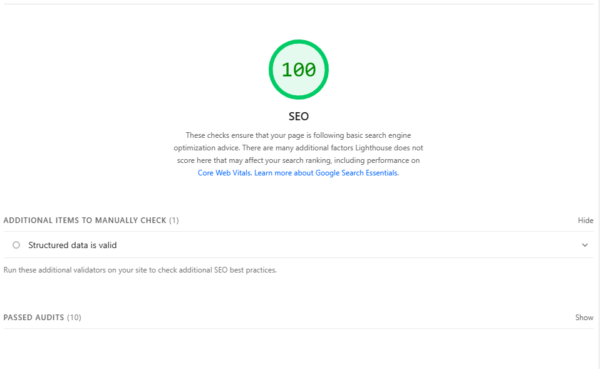
Overall, website speed is not just a technical detail behind the scenes. It is an essential element of your brand image, credibility, and long-term business opportunities. Paying attention to speed from the start ensures your website serves as an effective marketing tool.
Website Speed Tips Every Business Should Start With
Improving website speed doesn’t always require complex coding. Many issues stem from foundational setup. When done right from the beginning, your website runs smoother, enhancing both user experience and business performance.
-
Choose Hosting That Fits Your Website
Web hosting is the backbone of website speed. Sites with high traffic or complex features need stable hosting capable of handling demand. Choosing an undersized package can lead to slow load times or even site crashes during peak usage. Considering server speed, backup systems, and support teams ensures smooth performance and protects your brand’s credibility.
-
Optimize Images and Media
Images and videos make websites engaging, but they’re often the main reason pages load slowly. Resizing files, choosing the right formats, and using only essential media improves page load time without compromising your brand’s visual appeal.
-
Remove Unnecessary Plugins and Elements
Many websites have extra plugins or scripts that aren’t used. These slow down loading times. Removing or disabling them helps your website run lighter, load faster, and reduces long-term technical issues.
-
Use Caching and a Content Delivery Network (CDN)
Caching stores frequently accessed data temporarily, making subsequent page loads faster. A CDN delivers content from servers closest to your users. Using both strategically ensures fast access for visitors, no matter where they are.
-
Monitor Website Speed Regularly
One-time optimization isn’t enough. Regular speed checks help identify issues, such as pages that load slowly or performance drops during high traffic. Continuous monitoring maintains peak website performance.
-
Design a Simple, Efficient Website Structure
A clean, well-organized website structure speeds up loading and makes content easier to navigate. Simplifying menus, using only necessary images, and clearly arranging content help visitors find what they need quickly, increasing the likelihood of conversion.
Which Websites Need Speed the Most
Not every website requires the same level of optimization. For certain types, speed is critical and can make or break user experience. (How to check your website speed?)
Websites with complex functionality, such as online stores or booking platforms with multi-step forms, require instant access to information and smooth transaction flow. Even a few seconds of delay can frustrate users and increase the chance they leave before completing a task.
High-traffic websites, like promotional platforms or booking sites during peak seasons, also need robust hosting and optimized structure. Without it, sites can crash or load slowly, directly affecting sales and brand credibility.
In short, websites with complex features, high concurrent users, or direct sales objectives must prioritize speed. Faster loading translates into better user experience and more business opportunities.
Conclusion
Website speed is a critical factor in user experience, first impressions, and converting visitors into customers. Fast-loading websites allow instant access to content, reduce frustration, and strengthen brand trust.
Whether you run an e-commerce store, service website, or corporate site, focusing on hosting, media management, reducing unnecessary plugins, and designing a clean website structure ensures your site performs optimally and supports business growth.
If you’re looking for experts to optimize your website for speed and business results, Digital Agency Bangkok is ready to provide consulting and design solutions. We build websites that are not only visually appealing but also fast and results-driven.
Call us for a free consultation: 098-7655-243 or 098-7655-701
Email: [email protected]