



TikTok Shop or Shopee: Which Is Better for Selling Online?





TikTok Shop or Shopee: Which Is Better for Selling Online?
For any business selling products online across Southeast Asia today, the question isn't really whether to sell online — it's which platform actually deserves the investment of building out a real, well-managed storefront. TikTok Shop and Shopee have emerged as two of the most significant players in that decision, and they're genuinely different enough in how they work that treating the choice as interchangeable is a mistake many sellers make early on, often before realizing that success on one platform doesn't automatically translate to success on the other.
Understanding What Each Platform Actually Is
Shopee: A Traditional Marketplace Model
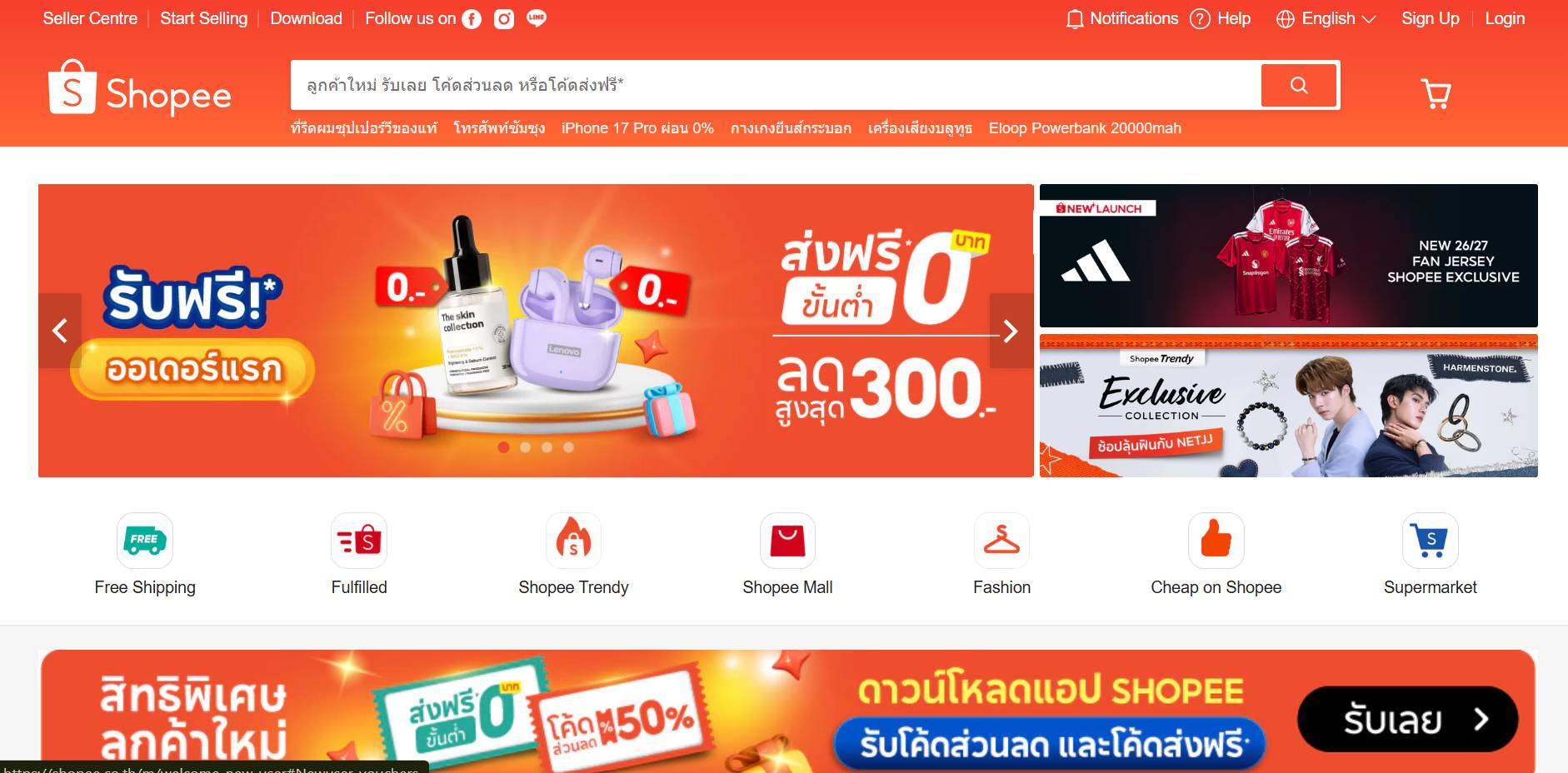
Shopee operates as a conventional ecommerce marketplace — a platform where customers arrive with an existing intent to shop, search or browse for specific products, compare listings, and make a purchase decision largely driven by price, reviews, and product details, in a manner broadly similar to how customers use any established online marketplace.
TikTok Shop: Commerce Built Into a Content and Entertainment Platform
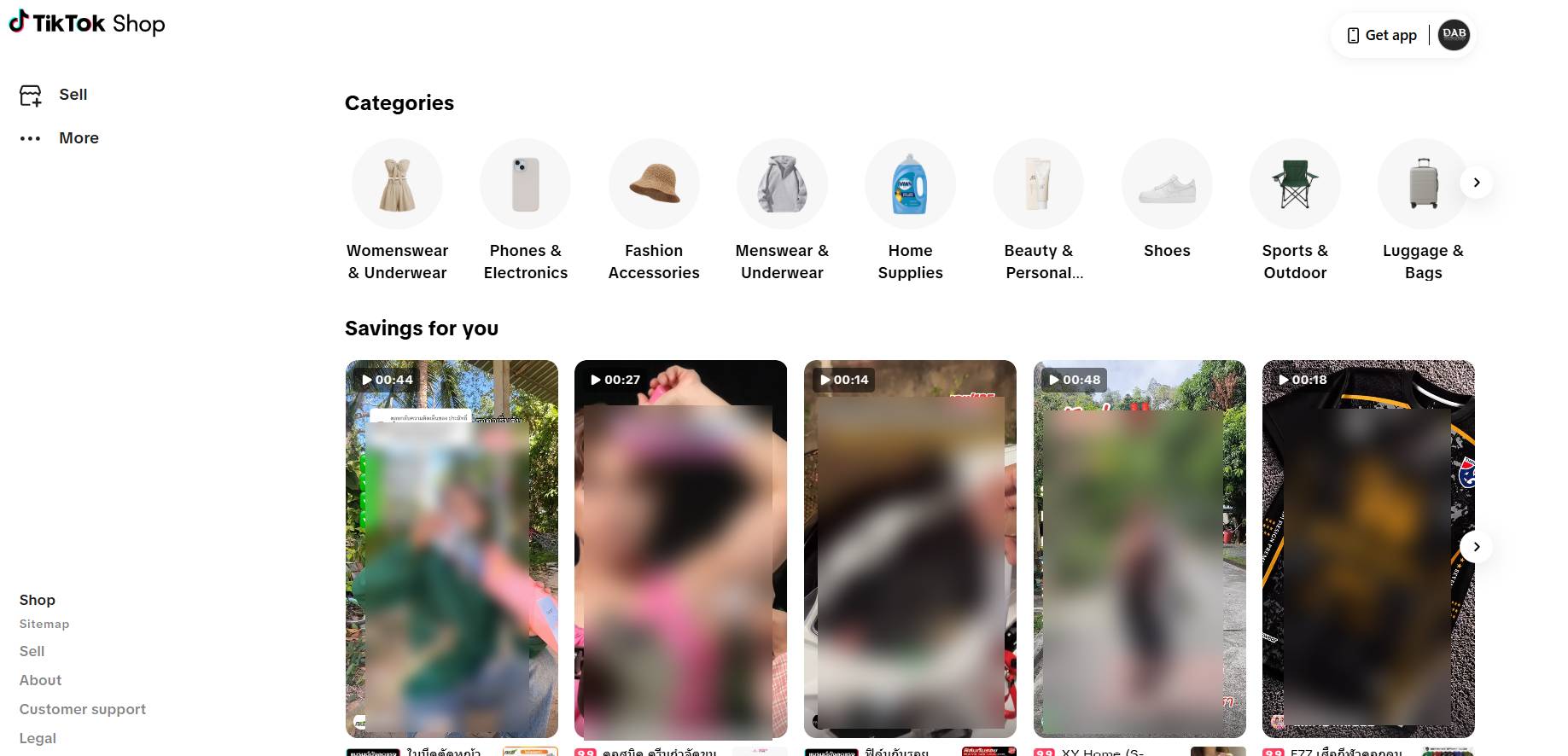
TikTok Shop operates fundamentally differently, since it's built directly into a platform where the vast majority of users arrive to be entertained, not to shop. Purchases on TikTok Shop are frequently driven by discovery — a user watching a video or livestream, becoming interested in a product they weren't specifically searching for, and purchasing directly within that same content experience, without needing to leave the app or actively search for the product beforehand.
Why This Distinction Actually Matters for Sellers
Different Platforms Capture Different Points in the Buying Journey
Shopee excels at capturing existing, active demand — customers who already know roughly what they want and are actively comparing options to decide where to buy it. TikTok Shop excels at generating demand that didn't previously exist in the customer's mind at all — someone scrolling for entertainment discovers a product through a compelling video or livestream and decides to buy it in the moment, driven by that specific content experience rather than a prior, active search.
This Difference Shapes What Kind of Selling Effort Actually Works
- Succeeding on Shopee generally depends heavily on strong product listings, competitive pricing, positive reviews, and effective use of Shopee's own search and promotional tools.
- Succeeding on TikTok Shop depends heavily on content — genuinely engaging video content, effective livestreaming, and, very often, partnerships with creators and influencers who can authentically showcase a product to their own audience.
What Shopee Does Particularly Well
A Mature, Trusted Marketplace Infrastructure
Shopee benefits from years of established trust, a large existing user base actively searching for products, and mature seller tools covering everything from inventory management to logistics and customer service integration.
Strong Search and Category-Based Discovery
Since customers on Shopee are frequently searching directly for a specific product or category, strong SEO within Shopee's own internal search system — optimized product titles, descriptions, and relevant keywords — plays a significant role in visibility, similar in principle to how search engine optimization works for a standalone website.
Established Logistics and Payment Infrastructure
Shopee offers integrated logistics partnerships, payment processing, and buyer protection policies that many customers have already come to trust and expect, reducing friction for both new and repeat purchases.
Promotional Tools Built Around Deals and Discovery Events
Shopee's platform is heavily built around flash sales, seasonal shopping events, and voucher-based promotions, which many customers actively anticipate and shop around — creating recurring, predictable opportunities for sellers to drive spikes in visibility and sales during those specific windows.
What TikTok Shop Does Particularly Well
Discovery-Driven Sales From an Audience Not Actively Shopping
TikTok Shop's core strength is converting attention into sales in the moment, reaching customers who weren't actively looking to buy anything when they opened the app, but who become genuinely interested through compelling, authentic content.
Livestream Shopping as a Genuinely Powerful Sales Format
Livestream selling has become a particularly significant driver of TikTok Shop sales specifically, allowing sellers or creators to demonstrate products in real time, answer questions live, and create a sense of urgency and direct engagement that a static product listing simply can't replicate.
Creator and Affiliate Partnerships
TikTok Shop's built-in affiliate program allows sellers to partner with creators who promote products to their own established audiences in exchange for a commission, effectively extending a seller's reach through creators' existing trust and following, rather than relying purely on the seller's own content and audience.
Strong Performance for Visually Demonstrable, Impulse-Friendly Products
Products that benefit from visual demonstration — showing how something works, looks, or feels — tend to perform particularly well on TikTok Shop, since the platform's format is inherently built around video content rather than static text and images.
A Practical Illustration of How the Two Platforms Actually Differ in Practice
Consider a small skincare brand deciding where to focus selling efforts. On Shopee, that brand's success would likely depend on strong product listings with clear ingredient information, competitive pricing relative to similar products, and building up a base of positive customer reviews over time — success driven largely by customers who already knew they wanted a skincare product and were comparing specific options. On TikTok Shop, the same brand might see a completely different sales pattern emerge from a single well-performing video showing a visible, satisfying result during product application, potentially reaching and converting customers who had no prior intention of buying a new skincare product at all, purely because the content itself generated interest in the moment. Neither pattern is inherently better — they're simply different mechanisms for reaching different customer mindsets, and a brand equipped to work well within both can capture meaningfully more total demand than one relying on only a single mechanism.
Key Factors to Weigh When Deciding Where to Focus
Product Type
- Products with straightforward, easily comparable specifications (electronics, household staples) often perform well on Shopee, where customers are actively comparing options based on clear, factual criteria.
- Products that benefit from visual demonstration or an emotional, aspirational appeal (beauty, fashion, lifestyle goods) often perform particularly well on TikTok Shop, where the format naturally favors this kind of engaging, visual storytelling.
Available Resources and Content Capability
- A business with strong product listing, pricing, and customer service capability, but limited capacity for producing ongoing video content, may find Shopee a more natural initial fit given its lower dependency on content creation specifically.
- A business with genuine content creation capability, or willingness to invest in creator partnerships, is better positioned to take real advantage of what makes TikTok Shop distinctly effective.
Target Customer Behavior
- If a business's target customers are already accustomed to actively searching and comparing products before purchasing, Shopee aligns more naturally with that existing behavior.
- If a business's target customers spend significant time on TikTok for entertainment and are demonstrably influenced by trends and creator content, TikTok Shop offers a more direct path to reaching them in the context where they're already spending attention.
Budget for Advertising and Partnerships
- Shopee offers its own internal advertising and promotional tools, generally oriented around boosting visibility within existing search and category browsing.
- TikTok Shop success often benefits significantly from budget allocated toward creator partnerships and content production specifically, which represents a genuinely different kind of investment than platform advertising spend alone.
Should a Business Choose Just One Platform, or Use Both?
Why Many Successful Sellers Use Both Deliberately
Rather than treating this as an either-or decision, many businesses that scale successfully across these platforms use both simultaneously, specifically because each one captures a genuinely different part of the customer journey and a genuinely different customer mindset. Shopee captures customers who are already actively shopping and comparing; TikTok Shop generates entirely new interest and demand that didn't previously exist, then converts it immediately within the same content experience.
A Reasonable Approach for Businesses With Limited Resources
For a smaller business without the resources to run both platforms at full strength simultaneously, starting with the platform that best matches the product type and available content-creation capability — as outlined above — and expanding into the second platform once the first is genuinely established and generating consistent, reliable results, tends to be a more sustainable path than spreading limited effort thin across both from the very beginning.