

How to Measure Digital Marketing Performance Accurately with 5 Essential Tools for 2026

Many businesses continuously invest in digital marketing, whether through SEO, Facebook Ads, Google Ads, content creation, or promotional campaigns. However, when it comes time to evaluate performance, they often cannot clearly answer a basic question: which channel actually generates revenue, and is the budget being used efficiently?
Metrics such as likes, clicks, or website traffic may look impressive in reports, but they do not always reflect real business outcomes. Confusing “good looking numbers” with “meaningful numbers” leads many organizations to make poor decisions, such as increasing budgets for campaigns that do not generate profit or stopping channels that are actually driving high quality conversions.
Accurately measuring digital marketing performance is not simply about opening a dashboard and reviewing charts. It involves setting the right KPIs, connecting data across multiple channels, and interpreting results in alignment with business objectives.
This article will walk you through a structured approach to measuring digital marketing performance and introduce five essential tools for 2026 that help you gain clearer insights and make more confident, data driven decisions.
Why inaccurate measurement leads to poor business decisions
Inaccurate measurement does not only affect monthly reports. It directly impacts business direction because every decision about budget, campaigns, and strategy relies on data. If the underlying data is flawed, the resulting decisions are likely to be flawed as well.
1.Over focusing on vanity metrics
Vanity metrics are numbers that look impressive but do not reflect real business impact, such as likes, views, or rapid follower growth. If management increases budget based solely on high engagement without reviewing conversions or sales, the business may be investing in perception rather than tangible results.
2.Failing to analyze the full funnel
Many businesses review clicks or leads but do not evaluate whether those leads actually convert into sales. Accurate measurement requires visibility from awareness through conversion and revenue. Looking at only one stage of the funnel can create the false impression that a channel is performing well when it is not generating actual income.
3.Not connecting data across channels
Modern customers rarely convert after seeing a single advertisement. They may discover a brand through Facebook, then search for it on Google before making contact.
If you measure each platform separately without integrating the data, you may conclude that Facebook does not drive sales when it actually initiates the customer journey.
4.Setting KPIs that are not aligned with business goals
Some organizations define KPIs that are disconnected from core objectives. For example, aiming to increase sales while setting website traffic as the primary KPI. When KPIs are misaligned, teams focus on improving numbers that do not directly influence revenue. Effective KPIs should tie back to business level goals such as Cost per Acquisition, Conversion Rate, or Return on Ad Spend.
5.Lacking accurate tracking systems
Without properly configured conversion tracking, data may be incomplete or inaccurate. Conversions may be double counted, or key events may not be recorded at all. When foundational data is unreliable, analysis cannot be precise, and decisions are based on incorrect assumptions.
Accurate digital marketing measurement starts with asking the right questions, selecting metrics aligned with business goals, and implementing a reliable data collection system. High quality data forms the foundation of sustainable growth.
Why measurement tools are critical in digital marketing
As businesses scale their digital marketing efforts, data volume increases rapidly, including website traffic, advertising costs, click through rates, and conversions. Without appropriate tools, this information becomes fragmented and difficult to use effectively.
Measurement tools provide structured systems to collect data, analyze user behavior, and connect marketing activities to real business outcomes.
Strategically, these tools answer essential questions such as which channels generate high quality customers, which campaigns deserve increased budget, and where users drop off on a website. Without accurate data, businesses often rely on intuition or past experience, which may not be sufficient in competitive markets with significant advertising budgets.
Measurement tools also enhance transparency and accountability. Marketing teams can clearly explain performance to executives, demonstrating how investments translate into measurable returns. Communicating with verifiable data strengthens credibility both internally and with clients.
5 Essential Digital Marketing Measurement Tools for 2026
Understanding that measurement tools form the infrastructure of digital marketing, the next step is selecting the right tools and using them systematically rather than in isolation.
1.Google Analytics 4
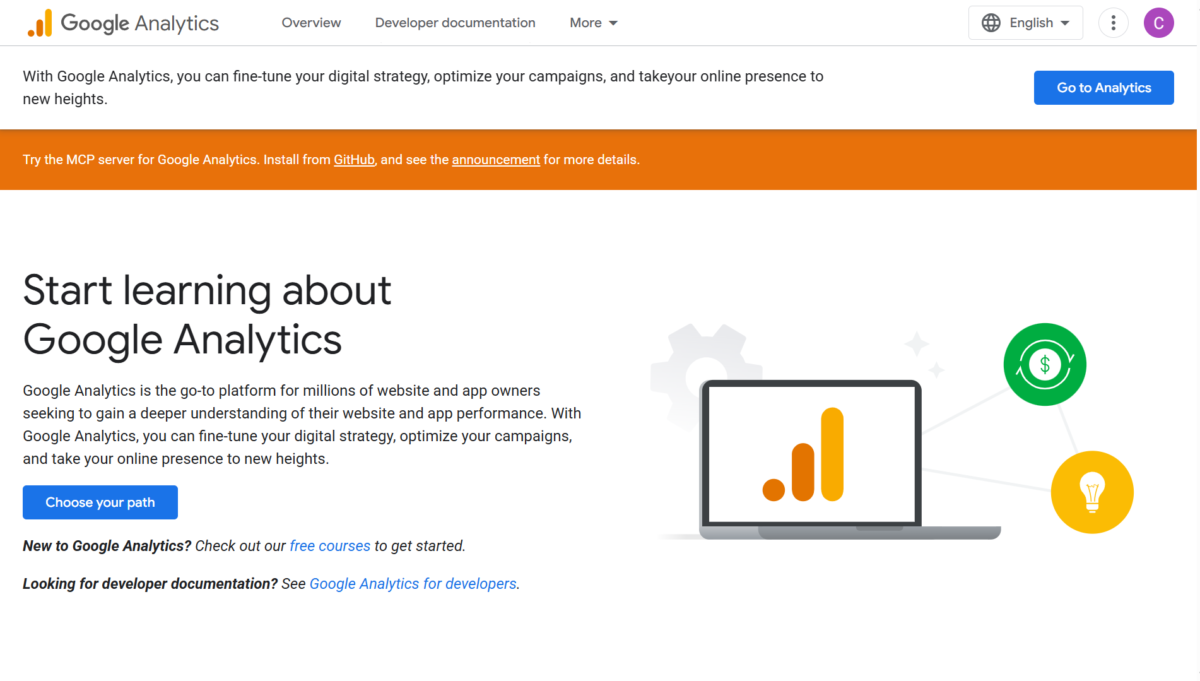
Google Analytics 4, or GA4, is a core tool for analyzing website user behavior. It operates on an event based model, enabling detailed tracking of actions such as button clicks, scroll depth, and form submissions.
The key is not just tracking visitor numbers but configuring conversions aligned with business objectives, such as contact form submissions, purchases, or document downloads.
GA4 provides visibility into user journeys from the first page visit to the final conversion, helping identify optimization opportunities.
2.Google Search Console
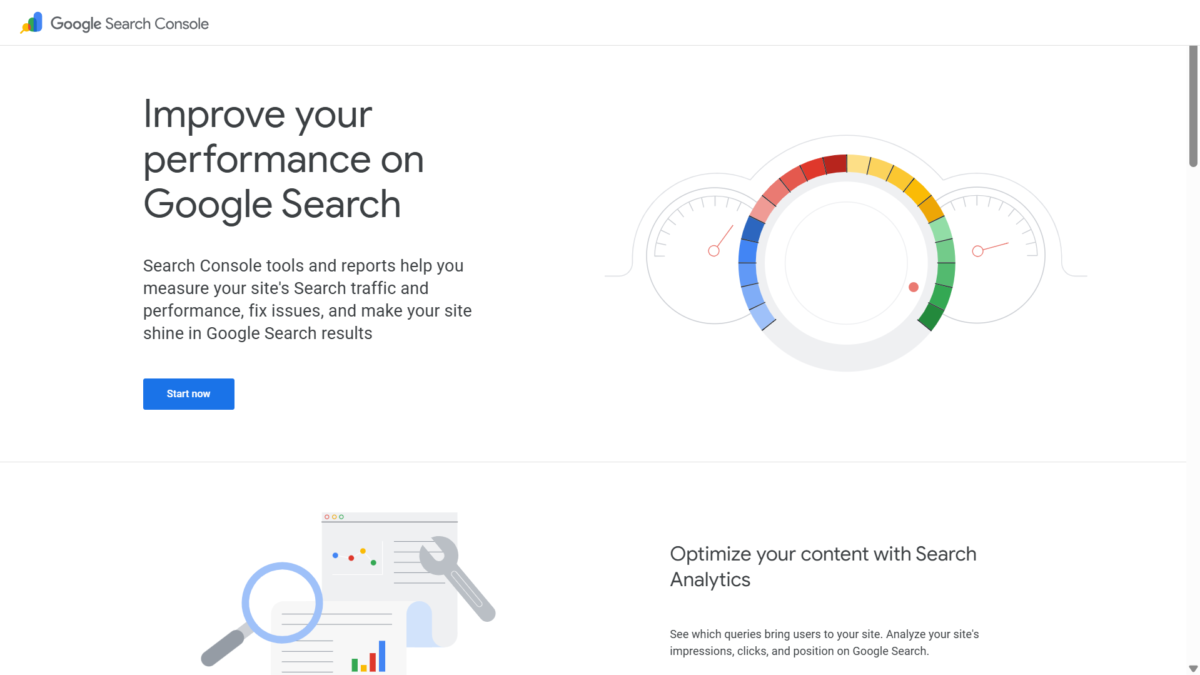
For SEO performance measurement, Google Search Console is indispensable. It provides insights into impressions, clicks, click through rate, and average keyword position.
This data helps identify which content drives visibility and which keywords require further optimization.
When used alongside GA4, it connects search performance to on site behavior, offering a complete view from search query to user action.
3.Meta Ads Manager

For businesses running Facebook or Instagram advertising, Meta Ads Manager is essential. It tracks performance metrics from Cost per Click to Cost per Result and Return on Ad Spend.
The focus should extend beyond engagement metrics to outcomes aligned with campaign objectives, such as leads, conversions, or revenue.
Analyzing performance breakdowns by audience, placement, and timing enables more precise budget optimization.
4.Google Ads Dashboard

Google Ads plays a significant role when users demonstrate clear search intent, especially through search campaigns.
Reports such as the Search Terms Report reveal the actual queries triggering clicks, while Conversion Value measures the business impact generated.
Consistently monitoring Cost per Conversion and ROAS allows for budget adjustments based on data rather than assumptions.
5.Looker Studio or a centralized marketing dashboard

With data distributed across multiple platforms, consolidating information into a single dashboard provides clearer insights.
Looker Studio can integrate data from GA4, Google Ads, Search Console, and other sources into customizable reports aligned with business objectives.
This is particularly valuable for executives who require concise, understandable insights to support strategic decisions.
Using all five tools together ensures comprehensive measurement across organic and paid media, from brand visibility to actual revenue generation.
Tip: How to improve measurement accuracy
- Define KPIs that directly align with business objectives, linking metrics to leads, revenue, or conversion value rather than traffic alone.
- Configure conversion tracking accurately across both website and advertising platforms, and regularly verify tags and events.
- Apply UTM parameters systematically to clearly distinguish traffic sources by campaign.
- Integrate data between platforms such as GA4, Google Ads, and Meta Pixel to prevent data gaps.
- Review data consistency regularly by comparing metrics across platforms to identify discrepancies.
- Exclude irrelevant data such as internal traffic or bot activity to maintain clean datasets.
- Analyze conversion paths and assisted conversions to understand channel contributions beyond last click attribution.
- Use appropriate timeframes for analysis and avoid drawing conclusions from insufficient short term data.
- Utilize a centralized dashboard to reduce human error from manual data aggregation.
- Review and adjust KPIs quarterly to ensure alignment with evolving business strategies.
Conclusion
Measuring digital marketing performance goes beyond reviewing backend numbers. It is a strategic process that connects marketing activities directly to business outcomes. Without a clear measurement framework, businesses cannot distinguish between initiatives that create real value and those that merely consume budget.
Tools such as GA4, Google Search Console, Meta Ads Manager, Google Ads, and centralized dashboards provide the infrastructure for collecting, analyzing, and interpreting data. Equally important are properly defined KPIs, accurate tracking implementation, and structured data interpretation.
When measurement is thoughtfully designed, marketing becomes a data driven decision process rather than trial and error, enabling continuous optimization and long term growth.
Ready to elevate your online marketing performance
If you want to build a digital marketing system that delivers measurable results, with clear data structures and sustainable revenue growth, our team is ready to help you develop strategy, implement tracking systems, and execute data driven campaigns.
From SEO and Google Ads to Meta Ads and comprehensive performance measurement systems, we design solutions aligned with your business goals to generate real growth. Contact us to get started.