

Reduce OTA Fees with a Hotel Website That Drives Direct Bookings

OTA fees are a cost that many hotels find difficult to avoid. The more a hotel relies on these platforms, the lower the profit per booking becomes. While OTAs help increase visibility and attract travelers from around the world quickly, over time hotels often lose control over pricing and miss the opportunity to build direct relationships with their guests.
A hotel website therefore becomes a key channel for reshaping revenue structure, shifting from waiting for bookings through third party platforms to generating direct bookings that the hotel can manage independently. This includes everything from presenting room information and pricing to delivering a booking experience that aligns with how travelers make decisions today.
This article explains why a well designed hotel website plays an important role in reducing OTA fees, increasing the share of direct bookings, and supporting long term business growth for hotels.
Why OTA Fees Have Become a Major Cost for Hotels
OTA fees are often viewed as an acceptable expense in exchange for greater visibility and higher booking volume. However, over time many hotels begin to see these costs accumulate steadily, especially as price competition on OTA platforms becomes more intense.
Relying on OTAs as a primary sales channel forces hotels to compete with other properties in the same location under similar conditions. Guests can instantly compare prices, promotions, and reviews, which means booking decisions are often driven by price rather than the hotel’s unique value or brand identity.
In addition, bookings made through OTAs limit a hotel’s access to guest data. Insights into guest behavior, preferences, and repeat stay opportunities are largely controlled by the platform. As a result, hotels end up paying fees repeatedly to reach the same guests instead of building long term relationships through their own channels.
How a Hotel Website Helps Increase Direct Bookings
A hotel website is often the starting point for many travelers when making a booking decision. Before confirming a reservation through an OTA, guests typically visit the hotel’s website to find clearer and more detailed information. This includes room types, location, amenities, and overall atmosphere. When the website provides complete and trustworthy information, the likelihood of direct booking increases immediately.
A website designed with user experience in mind helps reduce friction in the decision making process. Clear content structure, transparent pricing, and an easy to use booking system ensure guests do not feel that booking directly is more complicated than using an OTA. When convenience is comparable, guests tend to choose the channel that feels more official and reliable.
Another important role of a hotel website is communicating brand value and identity. Hotels can fully share their story, service philosophy, and unique selling points in ways that OTAs cannot support within limited listing space. This emotional connection builds trust and encourages guests to book directly with greater confidence.
When a website successfully delivers information, credibility, and ease of use, it becomes more than an informational channel. It becomes a direct booking engine that reduces reliance on OTAs in a tangible way.
Key Elements of a Hotel Website That Help Reduce OTA Fees
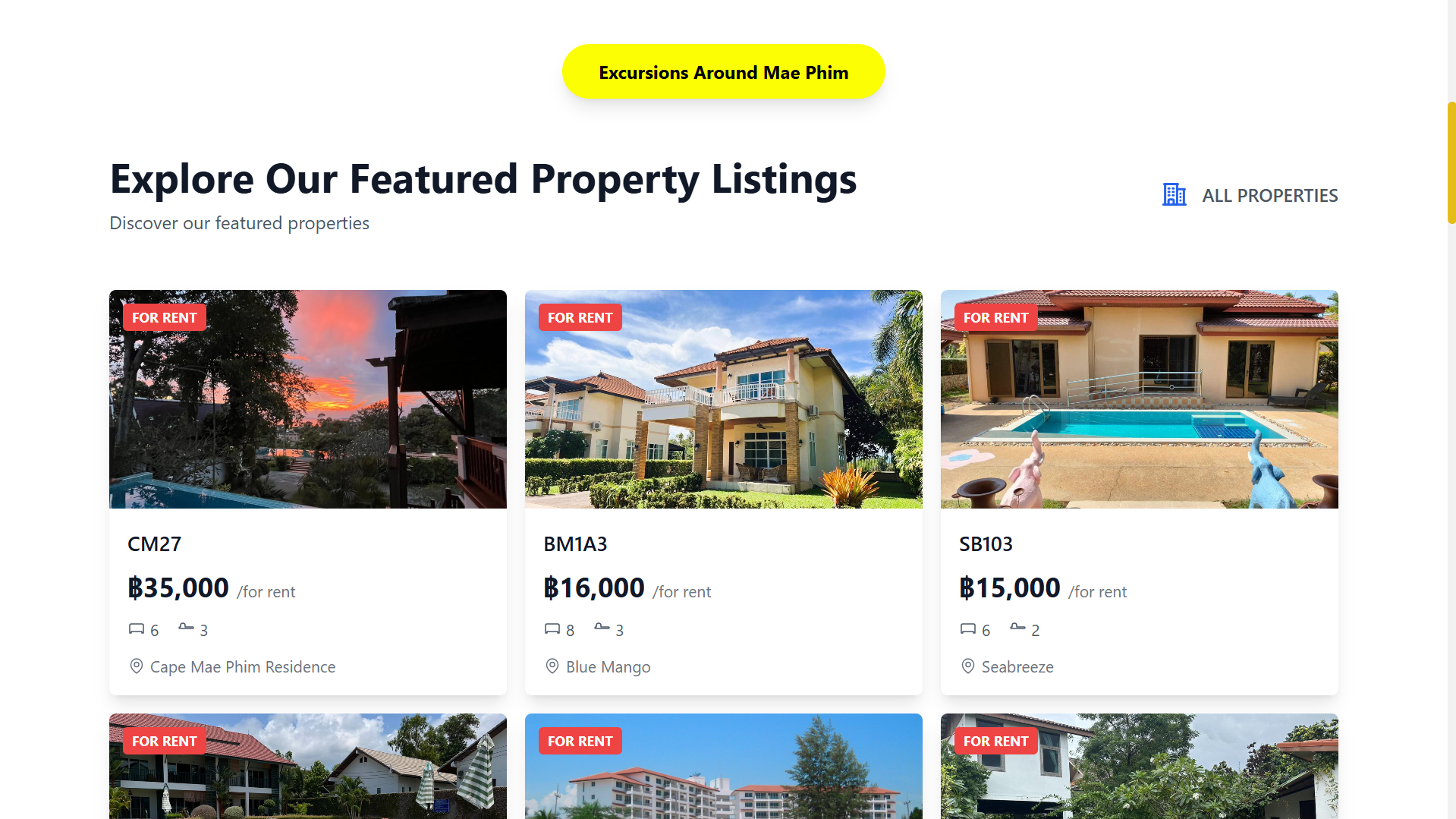
1. A Clear Website Structure That Builds Trust
A hotel website should allow visitors to immediately understand where the hotel is located, what types of rooms are available, and who the hotel is best suited for. A well structured layout, fast loading speed, and mobile friendly design reduce barriers to finding information. Guests who do not need to click through multiple steps are more likely to stay on the site longer and move toward direct booking. Trust begins with a positive experience from the first page.
2. A Simple and Convenient Booking System
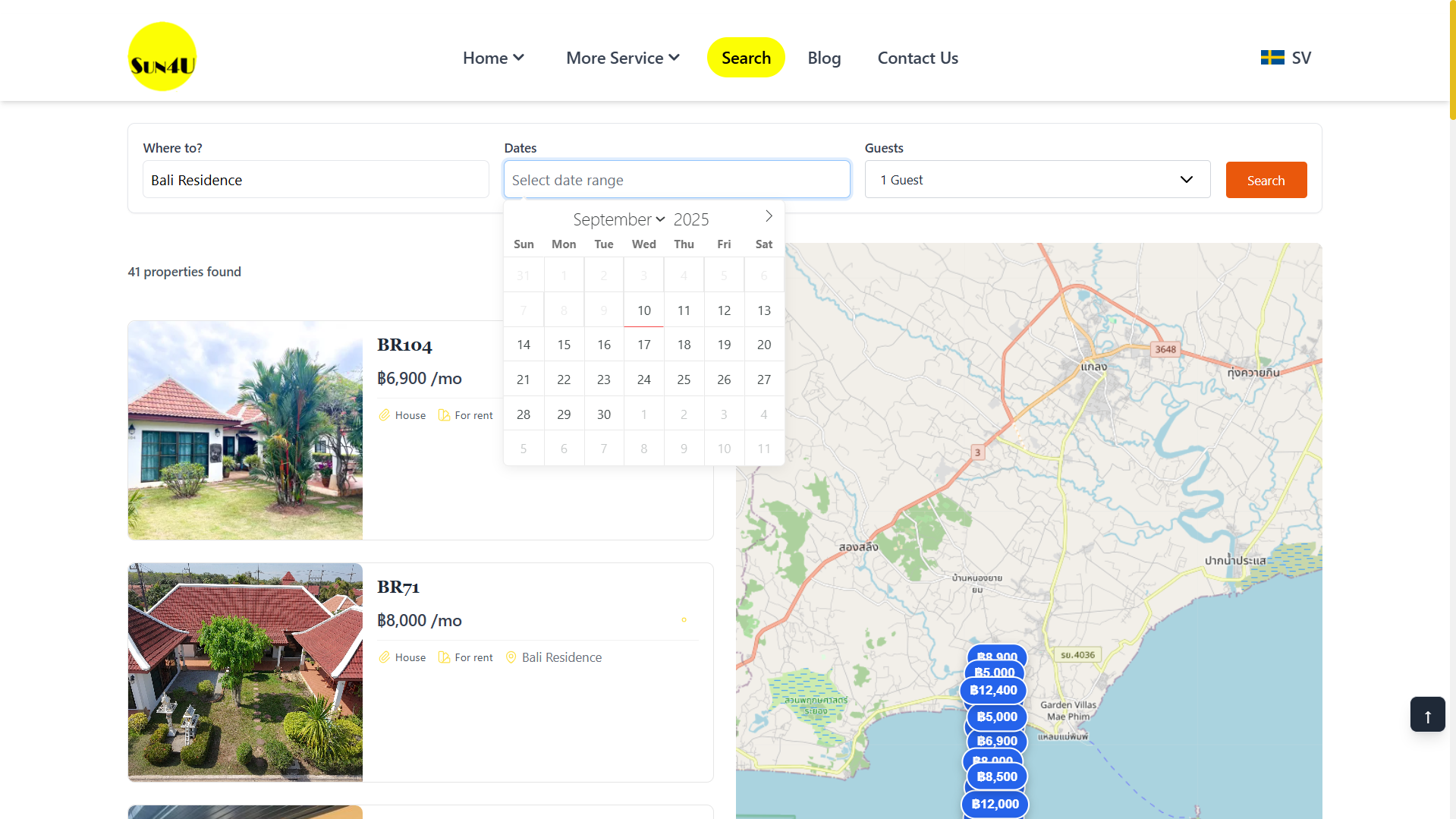
One reason guests continue to choose OTAs is booking convenience. When a hotel website offers an intuitive booking system with clear pricing, quick date selection, and easy room selection, guests do not feel that direct booking is more complicated. A well designed booking flow reduces drop off at the final decision stage and effectively converts visitors into confirmed bookings.
3. Offers and Experiences That OTAs Cannot Provide
A hotel website allows hotels to create exclusive direct booking offers, whether through special pricing, added benefits, or more flexible conditions than those available on OTAs. These incentives create value without forcing price competition that can harm brand positioning. Combined with content that clearly communicates the hotel’s story and strengths, the website becomes a channel guests perceive as more rewarding, leading them to book without a middleman.
Using SEO and Digital Marketing to Drive Guests Directly to the Hotel Website
Even with a well designed website and a strong booking system, direct bookings will not reach their full potential without the right audience. SEO plays a critical role by helping hotels appear in Google search results without relying on OTA platforms. When a website ranks for relevant searches related to accommodation, location, or travel experiences, guests are more likely to compare options and choose to book directly.
Beyond SEO, digital marketing helps accelerate visibility during key booking periods. Google Ads allow hotel websites to appear when guests show strong booking intent, while social media advertising builds awareness and interest among target audiences aligned with the hotel’s brand. When these channels work together, the website becomes the central hub for guest communication.
Retargeting is another effective strategy for increasing performance. By reconnecting with visitors who previously browsed the website but did not complete a booking, hotels can deliver timely messages or offers that bring guests back when they are more ready to decide. This approach increases the share of direct bookings without significantly increasing marketing spend.
Conclusion
OTAs continue to play a role in visibility and reaching new travelers, but relying on them alone turns commission fees into a long term burden. A hotel website is a valuable asset that gives hotels greater control over sales, from brand communication and pricing presentation to building direct guest relationships.
When a website is designed for real booking behavior and supported by effective SEO and digital marketing strategies, direct bookings grow consistently. Hotels can reduce dependence on OTAs without eliminating them entirely, repositioning the website as the core revenue channel instead.
For hotels looking to develop a website that supports direct bookings and implement a structured digital marketing strategy, working with an agency that understands the hotel industry makes a measurable difference.
Digital Agency Bangkok provides hotel website design and development, hotel marketing services, conversion focused booking systems, as well as SEO, Google Ads, and full service digital marketing. Our team understands traveler behavior and hotel sales structures, helping hotels reduce OTA costs and increase direct bookings effectively.
Contact us for a free consultation
Phone: 098-7655-243 or 098-7655-701
Email: [email protected]