

5 Essential Features Every Restaurant Website Should Have in 2025

A website is a vital tool for restaurants looking to reach more customers across multiple channels. Most diners start searching for restaurants on Google or checking reviews on their phones before deciding where to eat, making the website an essential online storefront. A well-designed website helps customers easily view menus and prices, book tables, and place orders online. It also reflects the restaurant's professionalism and brand image.
This article will introduce five essential features that every restaurant website should include, highlight common pitfalls, and showcase an example of The Deck Bangkok website, designed by Digital Agency Bangkok, to illustrate how to create a website that meets both customer needs and business goals.
Why Restaurants Need a Website
A website allows restaurants to reach customers more effectively. Many diners search for restaurant information via mobile or Google Maps before visiting in person. Having a website gives customers a clear first impression of the restaurant.
For example, a customer searching for a Japanese restaurant near their office may find Restaurant A with a clear website, an online menu with prices, and an easy table booking system. In contrast, Restaurant B only has a Facebook Page with incomplete information. This customer is more likely to choose Restaurant A because the website makes it easy to decide and ensures the restaurant is ready to serve.
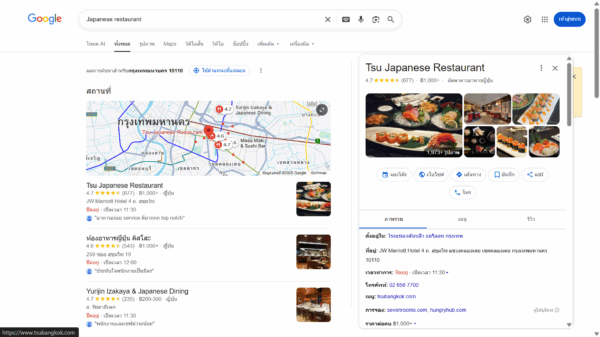
Websites also build credibility. Restaurants with well-designed pages, high-quality food images, and complete contact information appear more professional and trustworthy. A website allows the restaurant to control all information, such as opening hours, special menus, and promotions, which can be difficult to manage or easily lost if only posted on social media.
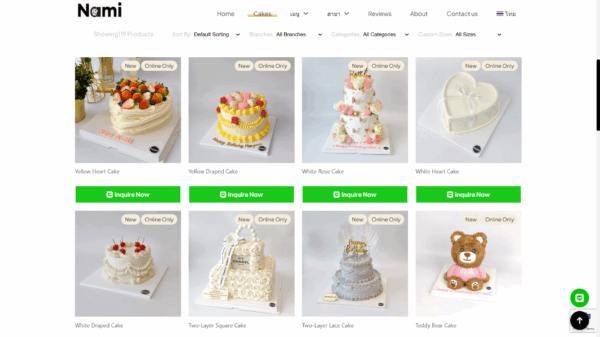
Additionally, a website helps restaurants reach international customers or those who frequently order online. Offering a bilingual website or online ordering options creates more business opportunities than a restaurant without a website. In short, a website that is user-friendly and meets customer needs not only improves accessibility but also enhances trust and credibility in the eyes of diners.
Essential Features Every Restaurant Website Should Have
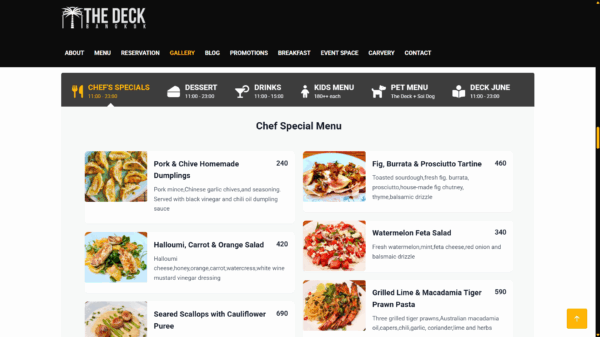
- Clear and Up-to-Date Online Menu
The menu is the first thing customers look for on a website. Information should be easy to read, food images should be clear, and prices must be current. Showing customers clear visuals and pricing helps them decide faster and reduces repetitive questions at the restaurant.
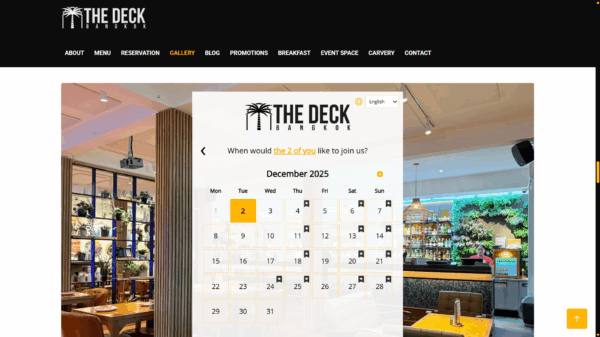
- Online Table Booking System
Most customers want convenience when reserving a table. An online booking system allows them to select the date, time, and number of people, while receiving automatic confirmations. This reduces staff workload and minimizes booking errors.
- Prominent Order or Delivery Buttons
With the rise of online food delivery, having direct order buttons or links to delivery apps allows customers to place orders instantly. This increases sales during times when customers cannot visit the restaurant in person.
- Customer Reviews and Social Proof
Displaying real customer reviews builds trust with new diners. Having reviews on the website helps customers access information without searching multiple platforms, enhancing convenience and credibility.
- Mobile-Friendly and Fast Loading Website
Most customers access websites via mobile devices. Slow-loading websites or pages that display poorly on mobile can lead to visitors leaving immediately. A responsive, fast-loading website improves customer satisfaction and increases the likelihood of table bookings or online orders.
Common Pitfalls for Restaurant Websites
- Low-quality or outdated food images: Poor visuals make the restaurant appear less professional even if the food is excellent.
- Unupdated critical information: Incorrect opening hours, special menus, or promotions can frustrate customers.
- Slow-loading or overly complex website: Websites that load slowly or are hard to navigate can lead to visitors leaving and negatively affect SEO.
- Hidden important information: Contact numbers, location, and booking buttons should be easily accessible to ensure customers can use services smoothly.
- Not mobile-friendly or multilingual: Restaurants should provide a website that works well on mobile and supports essential languages, such as English, for international customers.
Example of a Well-Designed Restaurant Website
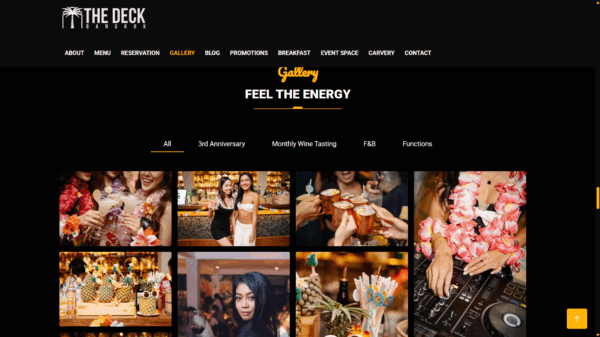
The Deck Bangkok website, designed by Digital Agency Bangkok, features a premium design and mobile-friendly interface. Menus are clearly organized, food images are vibrant, and the table booking system is easy to use. The website allows customers to explore the restaurant and make reservations seamlessly, reflecting the brand’s sophistication and professionalism.

Conclusion
A restaurant website helps customers find menus, view prices, and book tables conveniently while reinforcing the restaurant’s credibility. Key features include a clear online menu, table booking system, order or delivery buttons, customer reviews, and mobile responsiveness. The Deck Bangkok case demonstrates that a well-designed, user-friendly website can boost customer trust and improve the dining experience.
If you want to elevate your restaurant’s online presence, Digital Agency Bangkok is ready to create a beautiful, functional website that satisfies both restaurant owners and customers.
Contact for a Free Consultation
Phone: 098-7655-243 or 098-7655-701
Email: [email protected]