

10 Digital Marketing Trends in 2026 You Should Know

Digital marketing in 2026 is entering a new phase. It is no longer defined by simply running ads, publishing content, or ranking on search engines. The competitive landscape has matured. Customer acquisition costs are increasing. Privacy regulations are tightening. Artificial intelligence is reshaping workflows. And consumer expectations are higher than ever.
Businesses that succeed in 2026 will not be those that chase every new platform. They will be the ones that understand structural shifts in digital marketing and adapt their strategy accordingly. Below are the 10 digital marketing trends in 2026 that you should know, understand, and strategically prepare for.
10 Digital Marketing Trends in 2026
1) AI Driven Personalization Becomes the Standard

Artificial intelligence has moved beyond experimentation. In 2026, AI will be embedded across the entire marketing ecosystem, from audience segmentation and predictive analytics to content generation and automated bidding strategies.
What makes this trend transformative is personalization at scale. AI systems analyze behavioral signals such as browsing patterns, purchase history, engagement frequency, and device usage to deliver tailored experiences in real time. Websites dynamically adjust content based on user intent. Email campaigns trigger personalized sequences depending on previous actions. Paid ads optimize creative variations automatically.
However, personalization without strategy can feel intrusive. The key is using AI to enhance relevance while maintaining transparency and trust. Brands that combine AI capabilities with clear value propositions will outperform competitors relying on generic messaging.
2) First Party Data Strategy Is Mission Critical
With the continued decline of third party cookies and stricter privacy regulations worldwide, businesses must prioritize first party data. This includes data collected directly from customers through website forms, CRM systems, email subscriptions, loyalty programs, and purchase behavior.
In 2026, owning your audience data is a competitive advantage. Brands that build structured data ecosystems can create more accurate targeting, stronger remarketing campaigns, and better customer lifetime value modeling.
A strong first party data strategy requires more than installing a tracking script. It demands a well defined data collection framework, clear consent management, integration between marketing platforms, and ongoing data governance.
3) Search Expands Beyond Traditional Engines
Search behavior is no longer confined to Google. Consumers search on YouTube for tutorials, TikTok for product reviews, Instagram for inspiration, marketplaces for price comparisons, and AI tools for direct answers.
In 2026, SEO means optimizing across multiple search environments. Brands must consider video SEO, social search optimization, marketplace search algorithms, and voice queries.
This shift requires content diversification. Long form blog content remains important, but short form video, visual content, and conversational content formats are equally critical. Businesses that treat search as a multi platform ecosystem will capture broader intent signals.
4) Short Form Video Drives Authority and Engagement
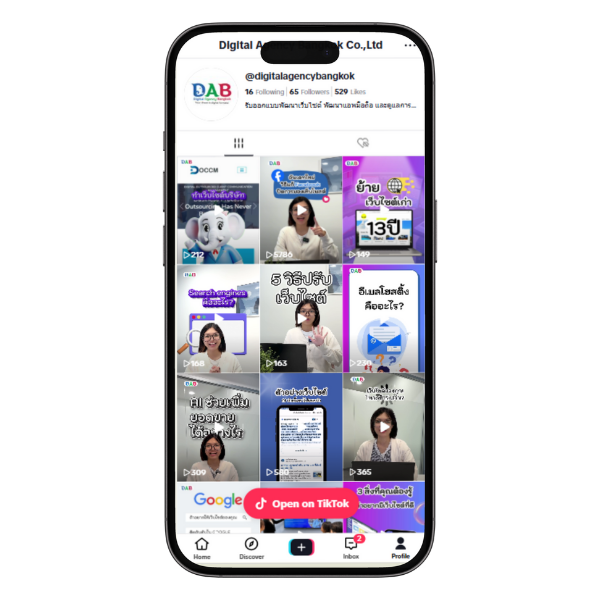
Short form video marketing continues to dominate user attention. Platforms such as TikTok, Instagram Reels, and YouTube Shorts are central to brand visibility strategies.
However, the approach has evolved. Viral content alone does not guarantee sustainable growth. In 2026, successful brands use short form video to educate, demonstrate expertise, answer frequently asked questions, and showcase real customer experiences.
Educational video snippets, behind the scenes insights, and industry commentary help build credibility while supporting SEO and paid campaigns. Video is no longer just awareness content. It is part of a conversion focused ecosystem.
5) Advanced Attribution Models Replace Last Click Thinking
Customer journeys are increasingly complex. A single conversion may involve multiple touchpoints including social ads, search queries, email follow ups, and direct visits.
Relying on last click attribution creates misleading conclusions about channel performance. In 2026, data driven attribution models and multi touch analysis become essential.
Marketers must evaluate assisted conversions, time lag reports, and cross channel paths to understand true contribution. Integrated dashboards that combine GA4, ad platforms, and CRM data provide a more accurate view of performance.
Accurate attribution enables smarter budget allocation and stronger ROI optimization.
6) Conversational Marketing and AI Chat Integration

Consumers expect instant interaction. AI powered chatbots and conversational interfaces are becoming more sophisticated, integrating with CRM systems and marketing automation platforms.
In 2026, conversational marketing is not limited to answering basic questions. It supports lead qualification, personalized product recommendations, appointment booking, and automated follow ups.
When integrated properly, chat systems reduce friction in the buyer journey. They capture high intent users at the moment of interest and move them efficiently toward conversion.
7) Omnichannel Marketing Becomes Operational Infrastructure
Customers move seamlessly across devices and platforms. They may discover a brand on social media, research on a website, read reviews on a marketplace, and convert through a direct visit.
An omnichannel strategy ensures consistent messaging, design, and user experience across all touchpoints. In 2026, this is not optional. Fragmented strategies create inconsistent brand perception and wasted budget.
True omnichannel marketing requires centralized data, coordinated content planning, synchronized campaign timing, and unified measurement frameworks.
8) Authority Driven Content Outperforms Generic Content
Search engines and audiences increasingly prioritize trustworthy, experience based content. Thin articles written solely for keyword stuffing are losing effectiveness.
In 2026, high performing content demonstrates real expertise. Case studies, original research, transparent data insights, and clearly attributed authorship build credibility.
Businesses must invest in subject matter expertise and editorial quality. Authority signals improve organic visibility and strengthen conversion rates because users trust the brand behind the information.
9) Marketing Automation with Strategic Oversight
Automation tools are more advanced than ever. Smart bidding, automated workflows, and AI content generation streamline execution.
However, automation without oversight can lead to inefficient spending and inconsistent messaging. In 2026, successful marketing teams combine automation efficiency with human strategic analysis.
Regular performance reviews, hypothesis testing, and data validation ensure automation aligns with business objectives. Technology accelerates processes, but strategy determines direction.
10) ROI Focus Replaces Vanity Metrics
The era of celebrating impressions and likes without context is fading. Executives demand measurable business outcomes.
Key metrics such as Cost per Acquisition, Customer Lifetime Value, Conversion Rate, and Return on Ad Spend guide decision making. Marketing teams must connect campaign performance directly to revenue impact.
This shift elevates the importance of accurate tracking systems, KPI alignment, and integrated reporting dashboards. Data driven accountability becomes a standard expectation at the leadership level.
How Businesses Should Prepare for 2026
Understanding trends is not enough. Execution determines competitive advantage. Businesses should begin by auditing their current data infrastructure, evaluating attribution models, and strengthening first party data collection.
Investing in AI tools should be accompanied by training and governance. Content strategies must balance search optimization with authority building. And measurement systems should connect marketing activity to real revenue metrics.
Strategic alignment between marketing, sales, and leadership teams is essential. Without cross departmental integration, even advanced tools will fail to deliver sustainable growth.
Conclusion
Digital marketing in 2026 is defined by intelligence, integration, and accountability. AI driven personalization, first party data strategies, omnichannel coordination, and advanced measurement frameworks are reshaping how brands attract and convert customers.
Businesses that proactively adapt to these structural changes will gain efficiency, improve ROI, and strengthen customer relationships. Those that continue relying on fragmented tactics and vanity metrics risk falling behind in an increasingly competitive environment.
The goal is not to adopt every emerging trend. The goal is to understand which trends align with your business model and implement them with precision, data clarity, and long term strategic focus.
If you want to execute digital marketing with a clear strategy rather than simply following trends, consulting an experienced agency can significantly reduce risk and accelerate results.
A professional Digital Agency Bangkok can help you design a complete marketing framework — from customer data analysis, SEO strategy, and paid advertising management to building accurate measurement systems tied directly to revenue performance. Whether it is developing a first party data strategy, implementing advanced attribution models, planning omnichannel campaigns, or integrating AI SEO into your marketing workflow, every step is aligned with your business objectives.
If you aim to grow sustainably in 2026 and outperform competitors through data driven and strategically executed digital marketing, now is the time to speak with experts and build a smarter growth plan.