

What Is a Business Mascot? How It Can Make Your Brand Stand Out

A business mascot is a symbol or character created by a brand to convey its identity and personality. A mascot isn’t just a cute or playful figure, it helps consumers recognize your brand more easily and builds an emotional connection with your audience. A well-designed mascot can make your brand stand out among competitors and reinforce the messages or stories your brand wants to share.
This article will explain how business mascots work, what key characteristics make them effective, and how to use them to make your brand memorable, with a case study featuring one of Thailand’s most popular mascots, Butterbear Café’s Butter Bear.
Why Mascots Are Powerful for Brands
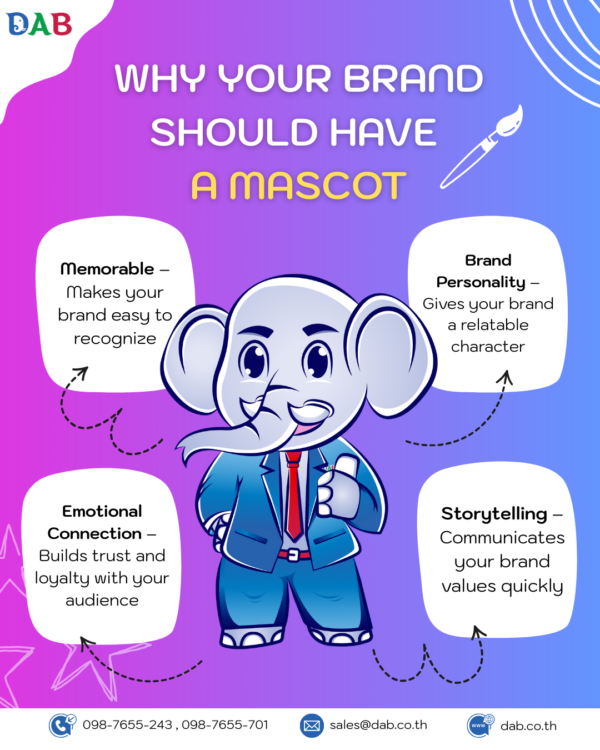
Many consumers remember brands through the personality or story the brand communicates. Mascots bring these stories to life. One of the main reasons mascots are so powerful is that they create an emotional connection with consumers. People tend to relate more to characters than to plain text. A mascot with a clear personality can feel friendly and approachable, helping customers trust and engage with your brand.
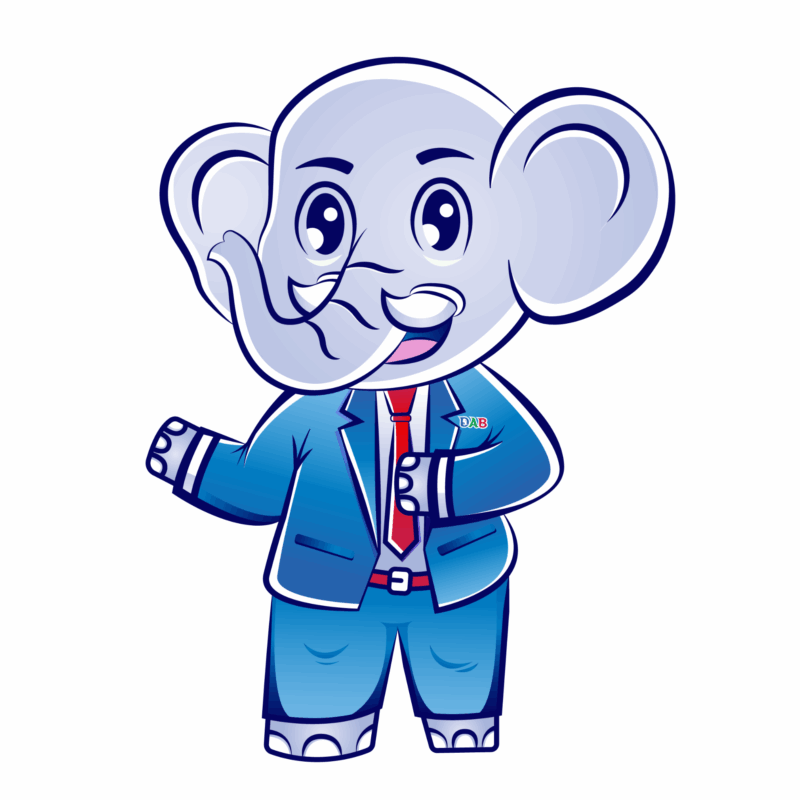
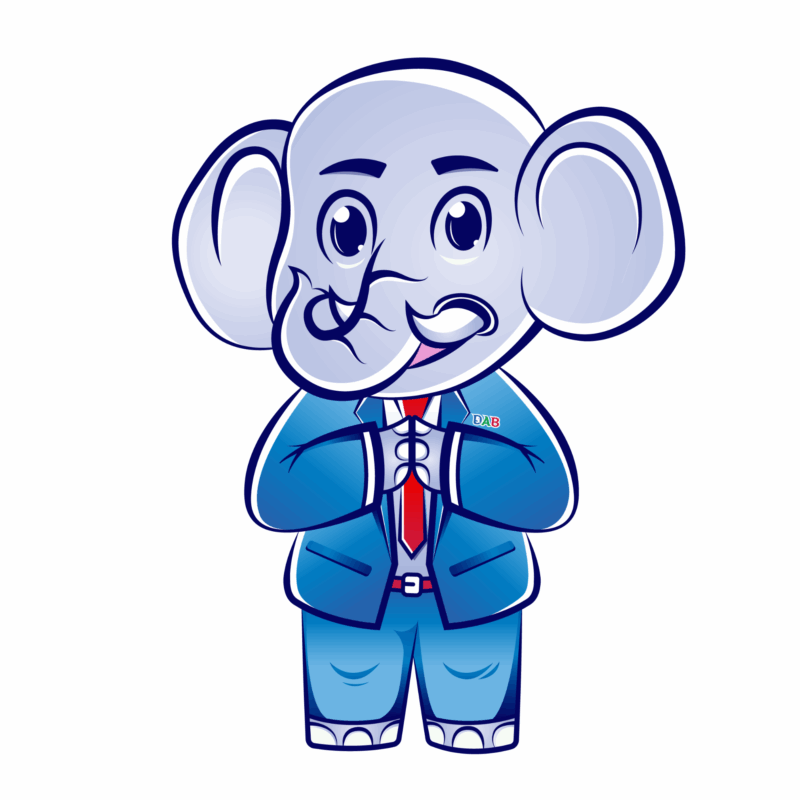
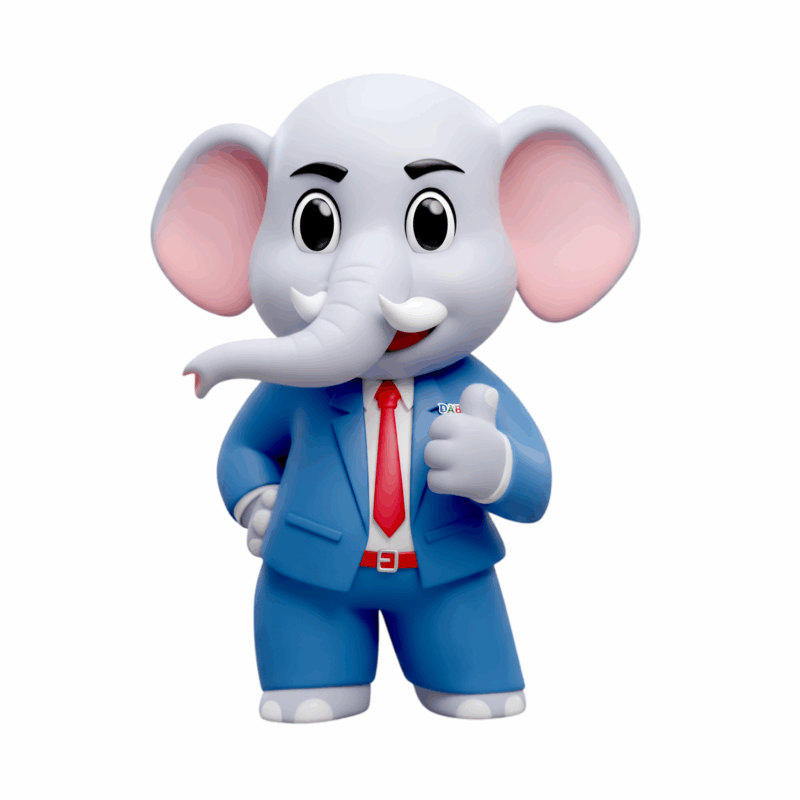
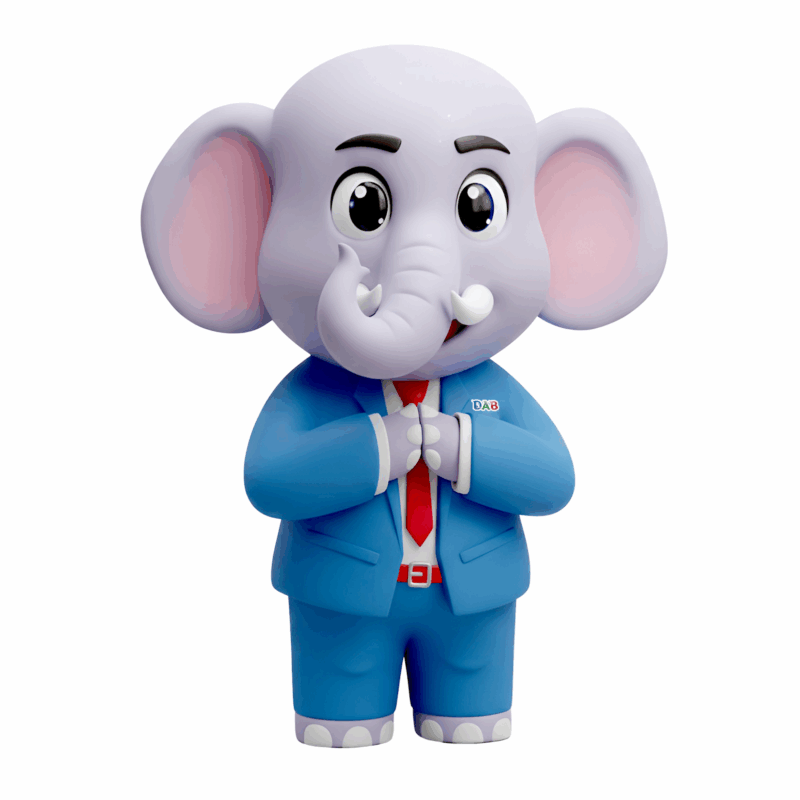
Mascots also increase brand recall and make your brand stand out. In a crowded market, a memorable character keeps your brand in consumers’ minds longer and helps them recognize it across different platforms, from social media and product packaging to advertisements.
Another reason mascots are effective is their ability to communicate your brand’s story and message clearly. A mascot can represent the brand in showcasing product values, key features, or brand emotions without lengthy explanations. Consumers instantly understand and connect with the brand through the mascot.
Characteristics of a Mascot That Make a Brand Stand Out
- Design that reflects the brand personality The mascot should communicate your brand’s values and personality. A fun, playful brand might choose a cute cartoon character, while a professional brand may opt for a character that appears elegant and reliable.
- Simplicity and memorability Overly complex mascots are harder to remember. Keep the design simple yet distinctive, such as using brand colors, recognizable shapes, or unique accessories.
- Colors and style consistent with the brand Choose mascot colors and styles that match your logo or brand theme. This creates consistency and makes your brand easier to remember. The overall tone and visual style should reflect the brand’s intended emotion and image.
- Unique and distinct from competitors A mascot should stand out and be original, helping consumers instantly recognize your brand. A unique mascot creates differentiation in a competitive market.
- Storytelling ability A good mascot conveys your brand’s story or character across advertisements, social media, or other channels. This gives your brand a personality and allows meaningful communication with consumers.
How Mascots Relate to Brand CI
A mascot is part of your Brand Corporate Identity (CI), which is the overall identity that helps consumers recognize your brand, including your logo, colors, fonts, and communication style. Mascots reflect your brand’s personality and values clearly.
Mascots strengthen Brand CI by reinforcing visual identity. For example, the mascot’s color should match your primary brand colors, and its gestures or personality should reflect the brand’s traits, whether playful, confident, or friendly. This helps consumers recognize your brand at a glance.
Mascots also connect with your brand’s tone and messaging, making content across websites, social media, or advertisements cohesive. A well-positioned mascot strengthens your brand’s identity and makes it more memorable.
Case Study: Butterbear Café’s Mascot – Butter Bear
A successful example of a mascot in Thailand is Butter Bear, the mascot of Butterbear Café. This small, cheerful character quickly became a recognizable symbol of the brand. Its cute, lively personality and design, aligned with the brand’s colors and style, helped build emotional connections with consumers.
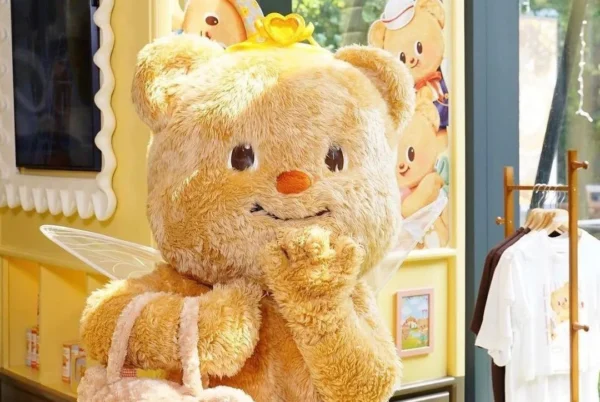
image from https://www.prestigeonline.com/hk/lifestyle/culture-plus-entertainment/who-is-butterbear-the-story-of-internet-sensation-and-viral-mascot/
Butter Bear appears not only on packaging but also across social media, marketing campaigns, and advertisements, creating continuous brand awareness and distinguishing the brand from competitors. This case demonstrates how a well-designed mascot can connect the brand’s identity with consumers and make it memorable for the long term.
Summary
A business mascot is a powerful tool for building brand identity. It helps communicate your brand personality, increases brand recall, fosters emotional connections with consumers, and strengthens Brand CI. A well-designed mascot makes your brand stand out and memorable. For example, Butter Bear connects with customers and makes the brand easily recognizable. Choosing and using a mascot correctly brings your brand to life and makes it more engaging.
Tips for Hiring a Mascot Designer
- Clarify brand personality Clearly define your brand’s personality and values before hiring a designer so the mascot reflects your brand accurately.
- Review the designer’s portfolio Check the designer’s past work to ensure their style matches your brand’s needs.
- Choose colors and tone consistent with Brand CI Specify your brand’s primary colors and tone so the mascot aligns with your overall identity.
- Define usage and media Tell the designer where the mascot will appear online, in ads, packaging, or offline events to ensure it is versatile.
- Keep it simple and memorable Even if the mascot is cute or complex, focus on easily recognizable shapes and traits so consumers remember it quickly.
- Set clear budget and timeline Discuss budget and design timeline upfront to align expectations between your brand and the designer.