


Local SEO for Hotels in Thailand: Google Maps, Reviews, and OTA Traffic

A hotel in Thailand shows up in two places. One is a map: a pin, a name, photos, and recent reviews when someone searches a district, a beach, or the hotel. The other is an online travel agency, where the stay sits in another company’s inventory. Local SEO is the first job. Buying more OTA traffic is the second. They are not the same dial. The Maps and profile work sits on our local SEO page. This article sets no fee, no rank, and no occupancy figure.
Short answer: Keep the Google Business Profile true, owned by the hotel, and edited by a named person. Put the pin at the entrance guests use. Match the public name to the sign and the website. Ask guests who stayed for a review, with no reward you would not put on the invoice. Reply in the language they wrote. Do not buy reviews or treat an OTA invoice as proof the profile is fine. If the site still lacks pages a guest needs before a direct booking, use the existing hotel website checklist. Whether site search and direct booking should replace more OTA volume is the separate note on hotel website SEO versus OTA dependence. That note may not be public yet. This page does not edit either post.
Local search is not buying more OTA traffic
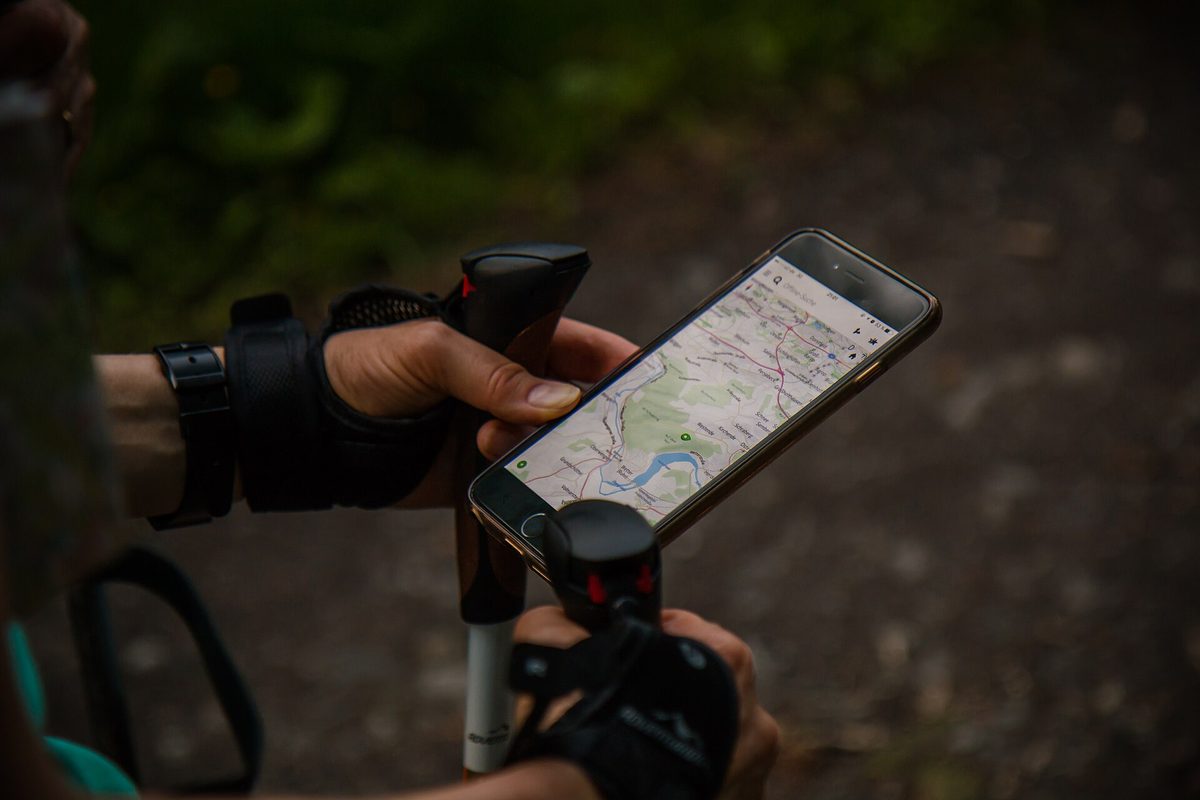
A guest in a taxi often opens a map and types a place plus a stay. They see a pin, a name, photos, and a short line of reviews. That meeting is on Google Maps and in local results tied to a Google Business Profile. The hotel does not control the layout. Google may show different details by device. The hotel controls whether the facts are true this week.
An OTA is a marketplace. The hotel lists rooms there. The guest books inside it. Visibility follows that company’s terms, which live in your contract. This page does not quote a commission, a bid, or a share of the stay. More OTA presence can fill rooms you chose to sell that way. It does not move the pin, fix a closed-season hour, or answer someone who found the hotel by name on a map. Report the profile and the contract as two notes.
What the guest meets on Google Maps
On a phone the guest matches a pin to a street and a photo to the building a driver can see. The pin should mark the entrance guests use, not a sales office or a sister property. If there are two gates, use the one the night guard opens. If the road changed, move the pin after someone has walked it.
The category should say what the place is, only when that is the public offer. Add a restaurant or a spa only if a guest can use it as described. The public name should match the sign and the website. Do not stuff district names into the title. If two brands share a compound, keep separate profiles only when a guest can tell them apart.
Who may edit the listing
The hotel should hold owner or primary manager access. An agency may be a manager, not the only login after the contract ends. Recover a lost login before you buy more of anything. A weekly editor may reply to reviews, but should not rename the hotel, move the pin, or change the website URL. Mark duplicates through the product’s own process. The point is one current place, not a rank this page will invent.
Keep the Google Business Profile true
Hours follow the front desk. If the restaurant closes on Monday, say so. If a wing closes in low season, stop selling that wing in the text and the photos. The phone should be a number a person answers, and the same number should be on the website. The website field should open the hotel’s own domain, not only an OTA link.
Say what a guest can check on arrival: the entrance, the kind of stay, and what is open. Skip “best in,” a star claim you did not earn here, and a price you will not honour. The product may hide the description on some screens. The person on the phone should still be able to say the same sentences.
Photos and attributes
Keep a set a night manager can recognise: the exterior from the road, the lobby, a room type you still sell, breakfast if you serve it, the pool if it is open. Take down a closed floor or a room you stopped selling. Do not use a photo of another property. Tick wifi, parking, or a pool only while they are true. If you cannot walk a guest to the claim, remove it the same day.
Reviews without inventing a score
Reviews are public notes from people who say they stayed. They are not a score for a slide. This article does not know your average or a target. A plan is who asks, when, and what staff must not do.
Ask guests who stayed, after checkout, in words the desk can say aloud. A note at the desk, or a message from the hotel’s own channel, is enough. Do not pay for a review, or offer a free night, a discount, or a drink for a rating. Do not ask staff to write as guests. Do not paste an OTA review onto the Google profile.
Reply with what you will check. Do not deny a visit you have not looked up. Reply in Thai if they wrote Thai, and in English if they wrote English. If the review describes another property, say so calmly and point to the right listing. Keep praise short. Do not add a claim the guest did not make.
What more OTA traffic does not fix
An OTA can show the hotel to people already shopping in that marketplace. That can be a fair way to sell nights you chose to sell there. It does not move a pin on the wrong soi, or change a phone that still rings a manager who left. Those facts live on the profile and on the hotel’s own site.
Buying more OTA presence because direct feels slow can be a cash decision. It is not proof that local SEO failed. A tidy profile does not cancel a contract. This page claims no booking number, no occupancy lift, and no result in which Maps beats an OTA.
Whether site search and direct booking should carry more of the demand you buy on OTAs is the sibling note on hotel website SEO versus OTA dependence. It may be missing until it is scheduled. This article does not edit it and does not change a live slug. If the hotel’s pages lack location, rooms you still sell, or how to arrive, use the hotel website checklist. Do not rewrite that post here.
A weekly playbook the front desk can run
This is a habit, not a launch. If the week is chaotic, do the pin, the hours, and the phone first. Those three fail in public.

- Name one owner of the Google Business Profile. The hotel keeps access if an agency also has a login.
- Each week, check hours, the phone, the pin, and any seasonal close. Change the profile the day the operation changes.
- After checkout, ask guests who stayed, with no incentive you would not print on the bill.
- Reply in the week you actually work. Do not promise a reply time this article did not measure.
- Replace photos of a closed floor, a room you no longer offer, or a shut restaurant.
- Confirm the website field opens the hotel’s own domain. If the site is thin, use the hotel website checklist.
- Once a month, look for a second profile under an old name. Do not create another.
- Report hours, replies, photos, and a duplicate you asked to merge. Do not report a vanity rank.
What to hand an agency, and what to do this month
Hand a source of truth: the name on the sign, the entrance guests use, the hours the desk keeps, and the phone a person answers. The agency may edit as a manager. The hotel must be able to remove that access. They may not rename the hotel into a keyword, buy reviews, or tick a facility you do not offer. If they cannot show the change on the live listing, they have not done the work. This article is not a quote and does not also link a hotel marketing page.
Recover access if nobody at the hotel can open the profile. Walk the pin with someone who meets arrivals. Match the name, the hours, and the phone to this week. Only then talk about more OTA volume. Asking how the work is scoped sits on local SEO services in Thailand. This page quotes no price, reports no client result, and changes no live path.
FAQ
Is a hotel’s Google Business Profile the same job as buying more OTA traffic?
No. The profile is the public Maps listing: pin, name, hours, photos, and reviews. An OTA is a marketplace listing under that company’s terms. You can run both. More OTA presence does not fix a wrong pin. This page quotes no commission.
Who should own the hotel’s Google Business Profile?
The hotel should keep access if an agency leaves. An agency may be a manager. Renaming the hotel, moving the pin, and changing the website URL need an owner the hotel controls. Recover a lost login before you buy more of any channel.
How should a hotel ask for reviews without inventing a score?
Ask guests who stayed, after checkout, in words staff can say aloud. Do not pay, discount, or ask staff to write as guests. Do not copy OTA reviews onto the profile. Reply in the language the guest wrote. We will not invent your average.
What should the profile say about the pin, hours, and website?
The pin marks the entrance guests use. Hours match the desk, including a seasonal close. The phone is a number a person answers, and the same number is on the website. The website field opens the hotel’s own site, not only an OTA link. Google may show details differently by device.
Where is the price, and how is this different from the checklist and the SEO-versus-OTA note?
Not here. We do not set a fee, a rank, or a booking number. The checklist covers pages a guest needs before a direct booking. The later note covers site search and direct booking against more OTA volume. This page is the Maps and profile playbook. A scoped quote belongs on the local SEO page.