

Get More Customers with Remarketing Ads





Get More Customers with Remarketing Ads
Consider a simple, well-documented reality of online shopping behavior: the vast majority of people who visit a website leave without buying anything, booking anything, or filling out any form — often somewhere in the range of 95 to 98 percent, depending on the industry. That's not a sign of a broken website or a failed marketing campaign. It's just how people actually behave online. They browse, they compare, they get distracted, they mean to come back later and often don't — not because they weren't interested, but because life intervenes before intent turns into action.
That gap between interest and action is exactly the problem remarketing was built to solve. Rather than treating every one of those departing visitors as a lost cause, remarketing gives a business a second, third, and sometimes fourth chance to bring a genuinely interested person back — not through generic advertising sent out to strangers, but through targeted ads shown specifically to people who have already demonstrated real interest by visiting the site, viewing a product, or starting (and abandoning) a purchase.
This article explains what remarketing actually is, why it consistently outperforms other forms of advertising on cost and conversion metrics, and how businesses across different industries can use it effectively — without becoming the kind of brand whose ads follow someone around so aggressively it starts to feel unsettling.
What Remarketing Actually Is
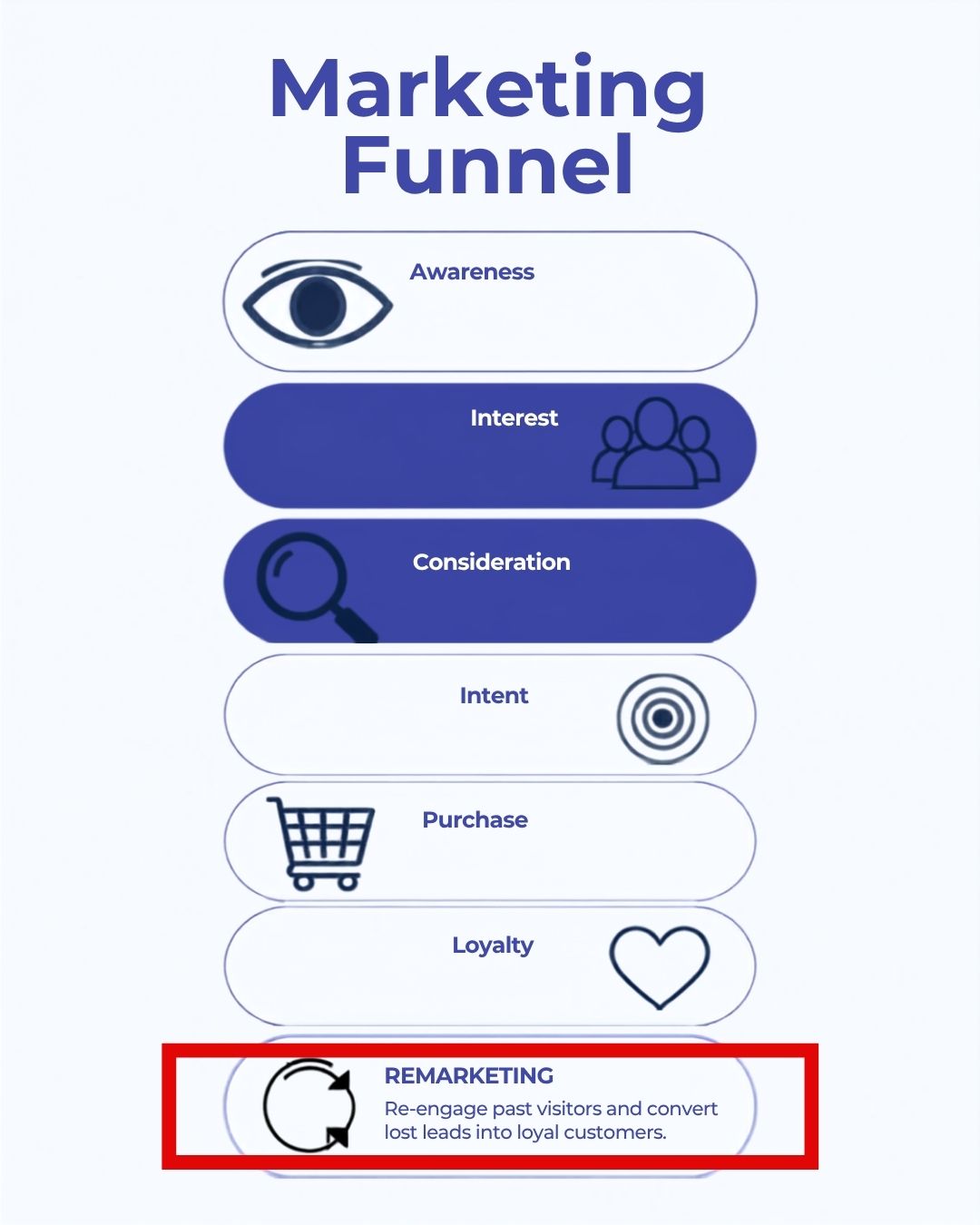
Remarketing (sometimes called retargeting, largely interchangeably) is a form of online advertising that shows ads specifically to people who have already interacted with a business in some way — visited a website, viewed a specific product, added something to a cart without completing checkout, watched a video, or engaged with a social media post. Rather than targeting a broad audience based on demographics or interests alone, remarketing targets a much narrower, higher-intent audience: people who have already shown, through their own behavior, that they're at least somewhat interested in what the business offers.
Technically, this works through tracking pixels or tags — small pieces of code placed on a website or app that quietly note when a visitor takes a specific action, then allow that visitor (in an anonymized, privacy-compliant way) to be added to a remarketing audience list. Once someone is on that list, ad platforms like Google Ads, Meta (Facebook and Instagram), and others can serve that specific person ads as they browse elsewhere online, watch YouTube videos, or scroll through social media — reminding them of the product, service, or offer they previously engaged with.
Why Remarketing Consistently Outperforms Cold Advertising
It Targets People Who Have Already Shown Real Intent
Cold advertising — ads shown to people who have never interacted with a business before — has to accomplish two difficult things simultaneously: capture attention and build enough trust and interest to drive action, all within a few seconds of unfamiliar exposure. Remarketing skips the first, hardest part of that equation entirely, since the audience has already engaged once. That single difference is why remarketing campaigns routinely achieve significantly higher click-through and conversion rates than cold campaigns targeting the same general audience.
It Closes the Gap Between Interest and Decision Fatigue
Most purchase decisions, particularly for anything beyond the cheapest, most impulsive items, aren't made in a single visit. A visitor might genuinely intend to book a hotel room, buy a piece of furniture, or sign up for a service — and then simply get pulled away by something else before completing that action. Remarketing exists precisely to bridge that gap, staying visible during the period between initial interest and eventual decision, rather than letting that interest quietly fade from memory amid everything else competing for a person's attention.
It Makes Every Other Marketing Dollar Work Harder
Because remarketing specifically re-engages people who already found their way to a business through some other channel — organic search, a paid campaign, a referral, social media — it effectively extends the value of every marketing dollar spent acquiring that initial visit. A visitor who clicked an expensive paid search ad but didn't convert isn't a wasted click if a well-run remarketing campaign brings them back later; the original acquisition cost gets a second chance to pay off, rather than being written off entirely the moment that first visit ends without a conversion.
It Reinforces Brand Recall Through Repetition
There's a well-established principle in marketing, often summarized loosely as the idea that people typically need multiple exposures to a brand or message before they act on it. Remarketing is one of the most efficient ways to deliver that repeated exposure specifically to people already inclined to be receptive to it, rather than repeating a message broadly to an audience with no prior familiarity or interest.
It's Measurably Cost-Efficient Compared to Broad Prospecting
Because remarketing audiences are smaller and more targeted, and because conversion rates within those audiences tend to be meaningfully higher than cold audiences, cost-per-acquisition for remarketing campaigns is frequently lower than for equivalent cold prospecting campaigns — meaning the same advertising budget often produces measurably more conversions when a meaningful share of it is allocated toward remarketing rather than exclusively toward acquiring entirely new, unfamiliar visitors.
The Different Types of Remarketing Worth Understanding
Standard Website Remarketing
The most common form — ads shown to anyone who visited a website, regardless of which specific pages they viewed, typically used for general brand awareness and to bring back visitors who didn't take any specific action.
Dynamic Remarketing
A more sophisticated version that shows ads featuring the exact products or services a specific visitor viewed, rather than a generic ad. Someone who browsed a specific pair of shoes on an ecommerce site later sees an ad featuring that exact pair of shoes, often alongside similar recommended items — a level of personalization that tends to significantly outperform generic remarketing creative.
Cart Abandonment Remarketing
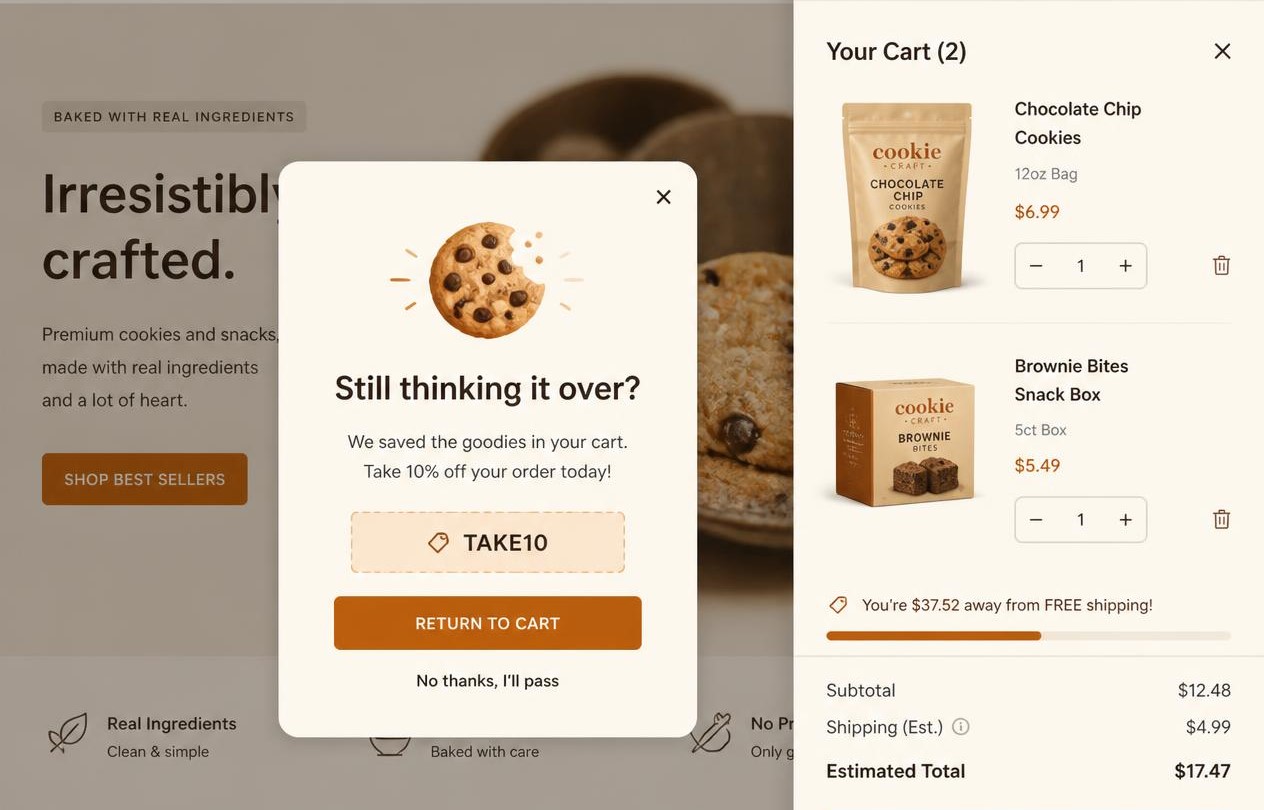
A focused subset of dynamic remarketing specifically targeting people who added items to a cart but didn't complete checkout — one of the highest-intent audiences available, since these are people who got extremely close to converting before stopping for some reason (unexpected shipping costs, a distraction, hesitation about the final decision).
Video Remarketing
Targeting people who watched a video — a YouTube ad, a product demo, social media content — allowing a business to follow up specifically with viewers who engaged with video content, often segmented further by how much of the video they actually watched, since someone who watched to completion is generally a stronger prospect than someone who clicked away after a few seconds.
Customer List Remarketing
Rather than relying only on website tracking, businesses can upload existing customer email lists to ad platforms, allowing them to show ads specifically to past customers — useful for re-engagement campaigns, upsells, cross-sells, or win-back campaigns targeting customers who haven't purchased in a while.
Similar Audience (Lookalike) Targeting
Not remarketing in the strictest sense, but closely related — ad platforms can build "lookalike" audiences of new people who share characteristics with an existing remarketing or customer list audience, extending the value of a strong existing audience into cold prospecting that's more likely to convert than fully random targeting.
How Different Industries Use Remarketing Effectively
Ecommerce
This is where remarketing shows some of its clearest, most measurable returns — cart abandonment campaigns specifically, since so many ecommerce visitors add items to a cart without completing purchase. Dynamic remarketing featuring the exact abandoned products, sometimes paired with a modest, time-limited incentive, is one of the most consistently effective remarketing applications across the entire industry.
Real Estate
Property searches typically unfold over weeks or months, with prospective buyers viewing dozens of listings across multiple visits before making a decision. Remarketing lets a real estate business stay visible to someone who viewed specific properties, showing similar available listings and keeping the brand top of mind throughout what's naturally a long, considered purchase journey.
Hospitality and Travel
Someone who researched a hotel or browsed flight options but didn't book is an extremely common scenario, since travel planning often happens gradually across multiple sessions. Remarketing ads showing the specific property or destination previously viewed, sometimes with limited-time pricing, are effective at recapturing that interest before it moves to a competitor.
B2B and Professional Services
With longer, more considered sales cycles, B2B remarketing often focuses less on immediate conversion and more on staying visible throughout an extended decision-making process — nurturing a prospect through content-focused remarketing (case studies, webinars, testimonials) rather than pushing directly toward a hard sale on the first re-engagement.
SaaS and Subscription Services
Free trial sign-ups that don't convert to paid plans, or visitors who explored pricing pages without signing up, are common remarketing targets — often paired with specific messaging addressing likely hesitations (feature comparisons, customer success stories, limited-time discounts on annual plans).
Getting Remarketing Right: What Actually Matters
Segment Audiences Rather Than Treating All Visitors the Same
Someone who browsed the homepage briefly and left is a meaningfully different prospect than someone who added an item to their cart and abandoned checkout at the final step. Effective remarketing segments these audiences and tailors messaging accordingly — a general brand awareness ad for the former, a specific, higher-urgency message for the latter.
Set Reasonable Frequency Caps
Remarketing's biggest reputational risk is becoming the kind of advertising that follows someone around so persistently it starts to feel invasive rather than helpful. Setting frequency caps — limiting how many times a given person sees the same ad within a set period — is essential to avoiding this, both for the sake of brand perception and because ad fatigue genuinely reduces effectiveness past a certain point of repetition.
Refresh Creative Regularly
Showing the exact same ad creative to the same audience for months tends to produce diminishing returns as people become numb to it. Rotating creative, testing different messaging angles, and updating offers periodically keeps remarketing campaigns performing well over time rather than gradually fading in effectiveness.
Exclude Converted Customers From Ongoing Prospecting-Style Remarketing
Continuing to show someone an ad for a product they already purchased is both wasteful and, from the customer's perspective, mildly irritating. Well-managed remarketing campaigns exclude recent converters from the same campaign, redirecting them instead toward relevant cross-sell or upsell messaging if appropriate, rather than repeating the exact ad that already did its job.
Set an Appropriate Time Window
Remarketing audiences typically have a defined membership window — someone who visited 90 days ago but never returned is a different prospect than someone who visited yesterday. Tailoring both the messaging and the bid strategy based on how recently someone engaged tends to produce better results than treating a 90-day-old visitor identically to someone who browsed an hour ago.
Common Mistakes That Undermine Remarketing Performance
Showing the same generic ad to everyone, regardless of what they actually did on the site. This wastes the core advantage of remarketing — the ability to tailor messaging based on demonstrated intent — and performs closer to cold advertising as a result.
Overexposing the same audience with excessive frequency. Beyond a certain point, additional ad exposure to the same person produces diminishing or even negative returns, both in terms of direct performance and in terms of brand goodwill.
Never excluding converted customers. Continuing to advertise a product to someone who already bought it wastes budget and can genuinely damage brand perception, especially if it happens repeatedly.
Ignoring the reason behind non-conversion. Generic remarketing that doesn't address the likely reason someone didn't convert — price hesitation, unresolved questions, comparison shopping — tends to underperform remarketing that speaks directly to that likely hesitation.
Treating remarketing as a replacement for a healthy top-of-funnel strategy. Remarketing only works on people who already visited in the first place — it cannot generate new interest on its own. A business that neglects acquisition entirely in favor of remarketing will eventually run out of a meaningful audience to remarket to.
Where Remarketing Fits Into a Broader Marketing Strategy
Remarketing works best as one deliberate layer within a broader strategy, not as a standalone tactic operating in isolation. Acquisition channels — SEO, content marketing, cold paid advertising, social media — bring new visitors into the funnel in the first place. Remarketing's job is to make sure that initial investment isn't wasted the moment a visitor leaves without converting, by staying visible and relevant during the gap between someone's first exposure and their eventual decision. Businesses that invest well in both — strong acquisition paired with disciplined, well-segmented remarketing — consistently get more total value out of the same overall marketing budget than businesses that treat either one as sufficient on its own.