

SEO vs. Google Ads: Which Strategy Should Drive Your Traffic?

SEO vs. Google Ads: Which Strategy Should Drive Your Traffic?
If you've ever tried to grow a website's visibility, you've almost certainly run into the same fork in the road: should you invest in Search Engine Optimization (SEO) or Google Ads (PPC)? Both promise the same destination — showing up when someone searches for what you offer — but they get there in completely different ways, with different costs, timelines, and risks.
As someone who has managed both organic and paid campaigns across dozens of industries, I can tell you there's no universal "winner." The right choice depends on your budget, your timeline, and what kind of business you're running. Let's break down exactly how these two channels differ, where each one shines, and where each one falls short.
What Is SEO?
SEO is the practice of optimizing your website so it ranks higher in the organic (unpaid) search results on Google, Bing, and other search engines. It involves three main pillars:
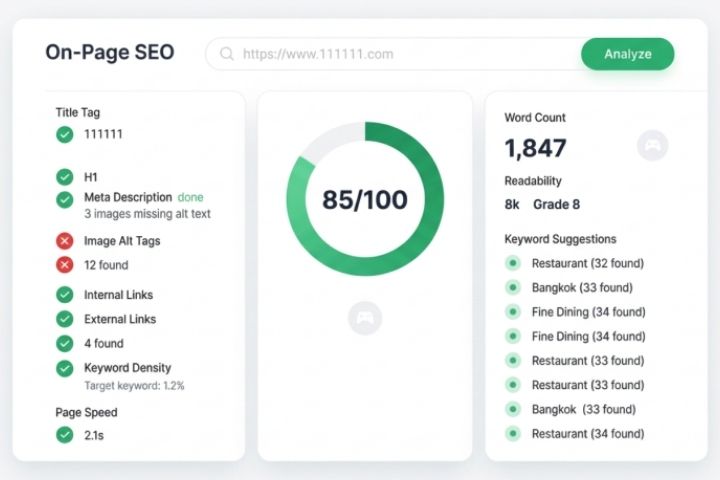
- On-page SEO – optimizing content, titles, headers, and images on your own site.
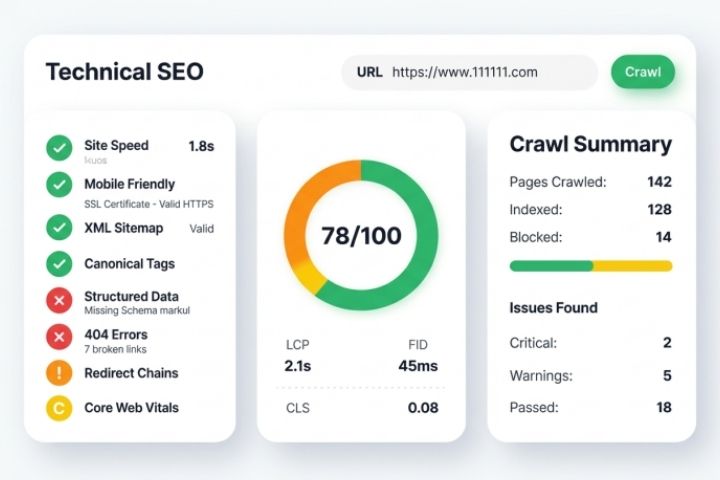
- Technical SEO – improving site speed, mobile-friendliness, crawlability, and structure.
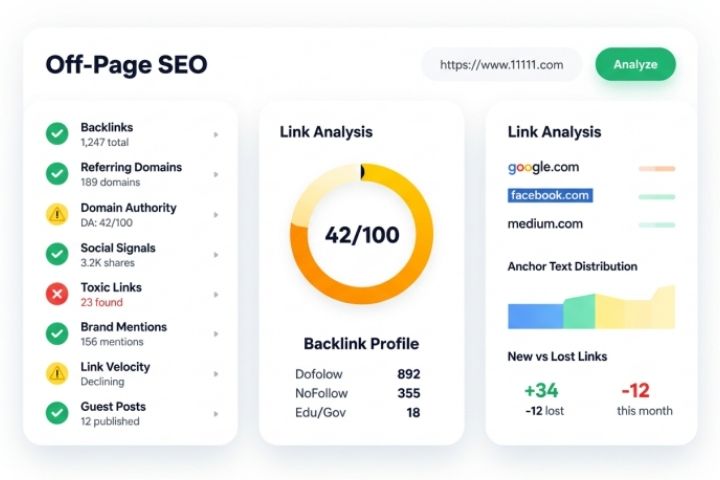
- Off-page SEO – building backlinks and authority signals from other websites
Example: Imagine you run a bakery in Bangkok called "Sweet Loaf." If you write a detailed blog post titled "Best Sourdough Bread in Bangkok" and optimize it properly, over time Google may start ranking that page on page 1 for searches like "sourdough bread Bangkok" — without you paying Google a single baht per click.
What Is Google Ads?
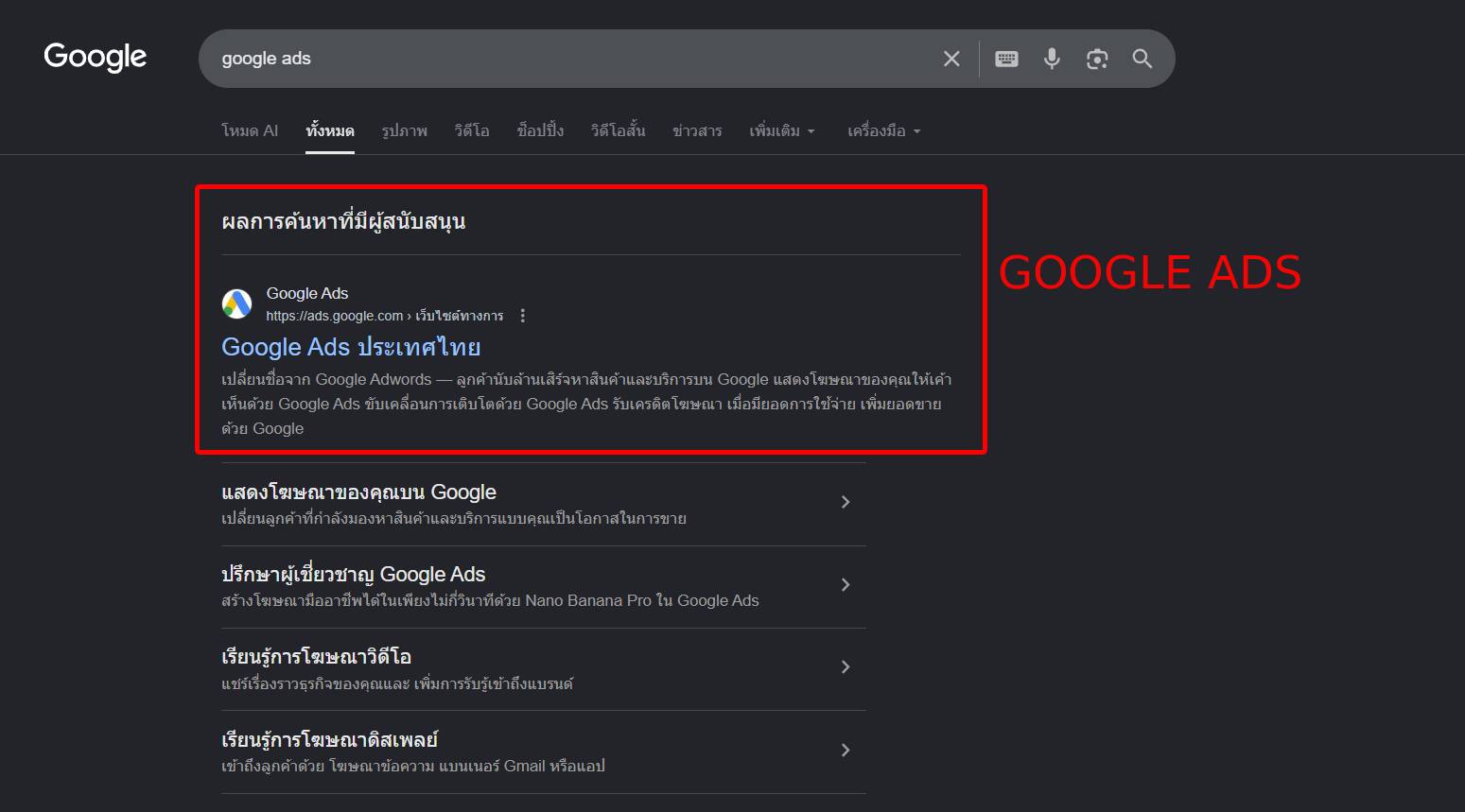
Google Ads (formerly Google AdWords) is a pay-per-click (PPC) advertising platform. You bid on keywords, write an ad, and when someone searches that keyword, your ad can appear at the top of the search results — clearly marked with an "Ad" label. You pay only when someone clicks (in most campaign types).
Example: That same bakery could launch a Google Ads campaign targeting "buy sourdough bread Bangkok," bid $0.50 per click, and appear at the very top of search results within minutes of launching the campaign — no waiting, no content writing required.
The Core Difference: Earned vs. Rented Visibility
The simplest way to understand the difference is this:
- SEO is like buying property. It takes time, effort, and investment to build, but once it's built, it keeps generating value with relatively low ongoing cost.
- Google Ads is like renting an apartment. You get instant access to a great location, but the moment you stop paying rent, you lose the space entirely.
This single distinction explains almost every other difference between the two channels.
Speed: How Fast Do You See Results?
Google Ads wins here, hands down. You can launch a campaign today and have visitors on your site within the hour. This is why PPC is often called "the fast lane" of digital marketing.
SEO, on the other hand, is a marathon. Depending on competition and domain authority, it typically takes 3 to 12 months to see meaningful ranking improvements, and sometimes longer for highly competitive keywords like "insurance" or "loans."
Example: A new e-commerce store selling handmade candles might run Google Ads for its first three months just to generate any sales at all, while simultaneously building SEO content that will start paying off around month six.
Cost Structure: Ongoing Rent vs. Upfront Investment
Google Ads costs money every single day the campaign runs. Cost-per-click (CPC) can range from a few cents to over $50 for highly competitive B2B or legal keywords (think "personal injury lawyer" or "enterprise CRM software"). Stop paying, and your traffic disappears immediately — like flipping off a light switch.
SEO requires upfront investment in content creation, technical fixes, and sometimes link-building — this can be expensive in the short term (hiring writers, developers, or agencies). But once a page ranks well, it can continue driving free traffic for years with only maintenance-level investment.
Example: A software company spending $5,000/month on Google Ads for "project management software" will see traffic stop the day they cancel. A competitor who spent $5,000 total building a comprehensive comparison guide that now ranks #2 organically continues getting free clicks for that same keyword, month after month, without ongoing ad spend.
Trust and Click-Through Behavior
Studies consistently show that a large majority of searchers — often cited around 70–80% — prefer clicking organic results over paid ads, largely because they perceive ads as less trustworthy or as containing sales-driven bias rather than genuine relevance. This "ad-blindness" phenomenon means many users actively scroll past the ads section to reach organic listings.
That said, this varies heavily by intent. For highly transactional searches like "buy iPhone 15 near me," users click ads more readily because they're ready to purchase right now and want the fastest path.
Control and Flexibility
Google Ads gives you granular control. You choose:
- Exact keywords to target
- Geographic location, down to a specific radius
- Time of day and day of week
- Ad copy, tested and swapped instantly
- Budget, adjustable in real time
If a promotion doesn't work, you can pause it in seconds.
SEO offers far less direct control. You can optimize your content, but you cannot fully control Google's algorithm, how competitors behave, or when algorithm updates (like Google's frequent core updates) might shift your rankings overnight.
Long-Term Value and Compounding Returns
This is where SEO truly shines. A well-optimized blog post or landing page can continue ranking and generating traffic for years with minimal extra investment — essentially compounding in value like an investment portfolio.
Google Ads produces zero residual value. The moment your budget runs out, traffic stops. There's no "banking" of past ad spend that continues generating clicks later.
Example: A financial blog that published "How to Build an Emergency Fund" in 2021 might still be generating thousands of monthly visits in 2026 purely from that one article — a return that a comparable ad spend from 2021 could never replicate today.
Summary Table: SEO vs. Google Ads
| Factor | SEO | Google Ads |
| Speed to results | Slow (3–12+ months) | Immediate (hours) |
| Cost over time | High upfront, low maintenance | Continuous, scales with traffic |
| Traffic after stopping | Persists | Stops immediately |
| Click-through trust | Generally higher | Lower, but intent-driven clicks convert well |
| Control over placement | Limited (algorithm-dependent) | Full control |
| Best for | Long-term brand building, content authority | Quick wins, promotions, testing offers |
| Risk | Algorithm updates can hurt rankings | Budget mismanagement can drain cash fast |
| SEO | Google Ads |
| Best for building long-term organic traffic and brand authority | Best for generating immediate traffic, leads, and conversions |
| Requires patience and continuous optimization | Requires ongoing advertising investment |
| Creates lasting value through content and rankings | Provides fast results with flexible budget control |
| Stronger long-term ROI potential | Better for short-term campaigns and market testing |
Which One Should You Choose?
In most real-world strategies, the smartest businesses don't choose one over the other — they use both, strategically.
A common and effective approach:
- Use Google Ads early to generate immediate traffic and validate which keywords and offers actually convert.
- Use the data from those campaigns to inform your SEO content strategy — since you already know which keywords drive real customers.
- Gradually shift budget from ads to organic as your SEO content matures, reducing long-term customer acquisition costs.
Example: A SaaS startup might spend heavily on Google Ads for "best invoicing software" during its first year to get customers fast, while simultaneously building SEO-optimized comparison pages and tutorials. By year two, a meaningful chunk of that traffic comes organically, and they can scale back ad spend without losing visibility.
Final Thoughts
SEO and Google Ads aren't competitors — they're complementary tools in the same marketing toolbox. SEO builds a lasting foundation of organic visibility and trust, while Google Ads delivers speed, control, and immediate results when you need them most. The businesses that win long-term are rarely the ones that pick a side; they're the ones that know when to lean on each channel, and how to make them work together.