



eCommerce Website Structures That Make Buying Decisions Easier





Building an eCommerce website today is no longer just about having an online storefront where customers browse products and click “buy.” It is about designing a complete digital sales system that guides customers from uncertainty to confident purchase decisions at every stage of the journey. From searching for products on Google, entering your website, choosing categories, reading product details, to completing the checkout process, every step is shaped by the overall website structure.
Many online stores focus heavily on visual design and promotions while overlooking the site architecture that directly affects conversion, SEO, and long-term order value. When customers cannot find products easily, face complicated menus, or struggle with the checkout process, they often leave before reaching the payment stage, even if the products are attractive or competitively priced.
This article explains how an effective eCommerce website structure should be designed to reduce hesitation, build trust, and make buying decisions genuinely easier. The goal is not only to look good from a design perspective, but to function as a practical sales and growth system for your business over the long term.
How eCommerce Website Structure Influences Buying Decisions
Online customer behavior does not always start with the intent to purchase. In many cases, it begins with research, comparison, and evaluating the credibility of the store before committing to payment. Website structure acts like a digital sales assistant that guides customers step by step without speaking or applying pressure.
When menus are organized logically, product categories are easy to understand, and product pages present complete and relevant information, customers feel that the buying process is simple and under their control. This directly impacts time on site, page engagement, and the likelihood of adding products to the cart.
From an SEO perspective, website structure determines how well search engines understand your store. Clear product grouping, meaningful URL structures, and internal linking between categories, articles, and product pages help position your website as an organized information source rather than a collection of disconnected product listings.
For businesses planning long-term eCommerce SEO growth, a strong structural foundation also reduces future costs. Whether you are expanding product lines, launching marketing campaigns, or integrating backend systems such as inventory management, logistics, or advertising platforms, a scalable structure ensures growth without having to rebuild the entire system each time.
Key Elements of an eCommerce Structure That Make Buying Easier
1.The homepage must clearly communicate value and direction
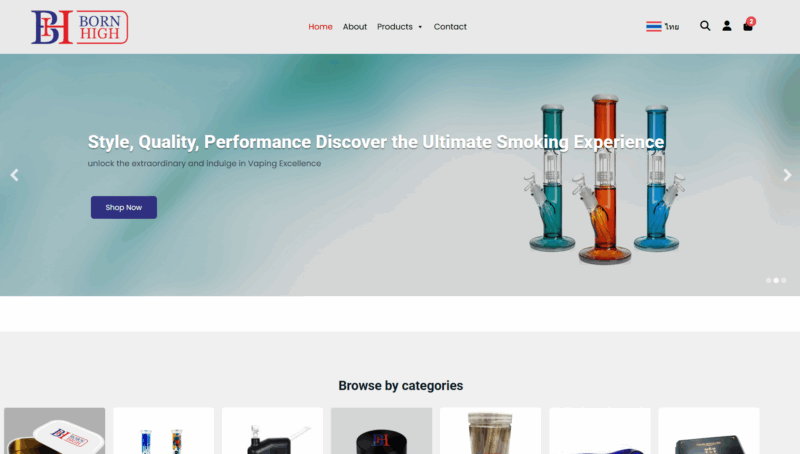
The homepage is where customers assess credibility within the first few seconds. The structure should immediately show what the store sells, who it is for, and what makes it different from competitors. Product categories, promotions, and search functions should be easy to find, allowing customers to begin their shopping journey without guessing where to go next.
2.Menus and product categories should reduce search complexity
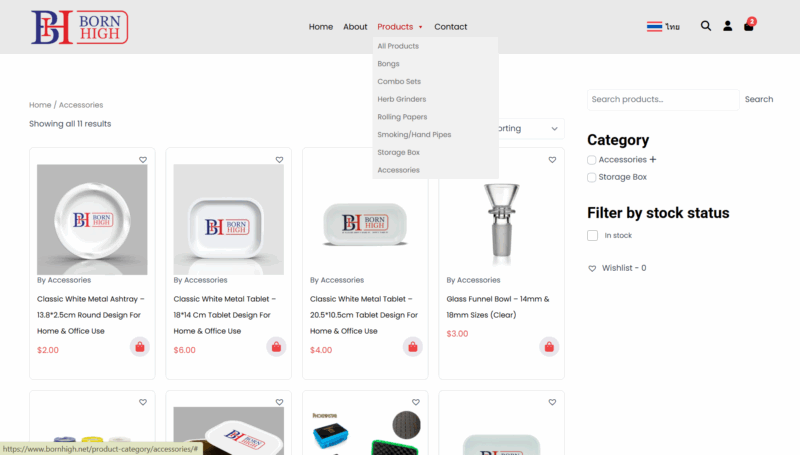
Menu structures should reflect how customers think, not how the company is internally organized. Categorizing products by use cases, brands, or the problems they solve helps customers understand their options faster and spend less time scrolling through irrelevant items.
3.Category pages should act as comparison tools
Instead of displaying long, unfiltered product lists, category pages should include sorting and filtering options that narrow choices, such as price range, key features, or popularity. This structure allows customers to control the selection process and feel more confident before opening individual product pages.
4.Product pages must answer questions like a sales consultant
Product page structures should follow the customer’s decision-making flow, starting with visuals and short descriptions that provide an overview, followed by technical details, usage instructions, customer reviews, and delivery or warranty conditions. When information is organized clearly, customers are less likely to search elsewhere and more likely to complete the purchase on the same page.
5.Cart and checkout must be transparent and low friction
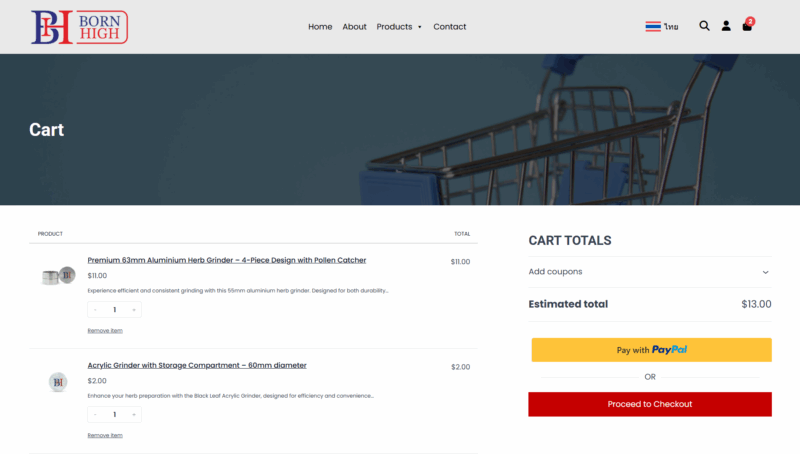
The final stage of the purchase process should remove unnecessary steps and clearly display total costs, shipping fees, and conditions upfront. Customers should be able to adjust quantities, change options, or return to product details without restarting the entire checkout flow.
6.Internal links should guide customers logically forward
Internal links such as related products, buying guides, or usage articles should be placed in alignment with the customer’s decision stage. The purpose is not simply to increase clicks, but to present relevant information and alternatives at the right moment in the buying journey.
eCommerce Website Structure and Long-Term SEO
URL structures that reflect product and category hierarchy
URLs should clearly show the relationship between main categories, subcategories, and product pages. This helps both users and search engines understand the context of each page. As new products are added in the future, this structure supports ranking stability and reduces SEO risks related to redirects or structural changes.
Category systems designed for long-term product expansion
Categories should be built to accommodate new product lines, brands, or use cases without requiring a rebuild of the main structure. This allows the website to grow alongside the business while avoiding duplicate or fragmented category pages that can weaken search performance.
Internal linking between products, categories, and supporting content
Linking product pages to related articles, buying guides, or comparison pages creates an interconnected information system. This signals topical depth and expertise to search engines, positioning the website as a resource rather than just a collection of sales pages.
Landing page structures for campaigns and targeted keywords
Dedicated areas for campaign pages or keyword-specific landing pages allow SEO and paid advertising efforts to scale without disrupting the core store structure. This supports both organic visibility and performance marketing strategies.
User experience as an indirect SEO signal
Clear navigation, fast loading times, and logical page flows increase session duration and page views. These behavioral signals help reinforce long-term search visibility by showing that users find value in the website.
Readiness for future content and system expansion
A strong structure should support the addition of articles, knowledge centers, review systems, or customer portals without changing the core architecture. This allows SEO development and business functionality to evolve together over time.
Conclusion: eCommerce Structure as the Foundation of Buying Decisions and Long-Term Growth
An eCommerce website structure is more than menu placement or page layout. It defines how customers understand your store, how easily they make purchase decisions, and whether they return in the future. In the short term, a well-designed structure reduces confusion and increases conversion opportunities. In the long term, it becomes the foundation for SEO growth, content expansion, and integration with marketing and sales systems.
Businesses that treat their website as a simple product catalog often face limitations when they expand product lines, launch campaigns, or enter new markets. Those that design their eCommerce structure around customer journeys and internal processes from the start can scale their digital platform continuously without rebuilding it each time strategies change.
Ultimately, investing in website structure is a strategic decision, not just a design choice. It is about building a digital business platform that supports marketing, sales, and long-term competitiveness in a systematic and sustainable way.
Ready to build an eCommerce structure that supports long-term business growth