


Which Code Actually Builds Websites (and How Do They Differ)?




Which Code Actually Builds Websites (and How Do They Differ)?
If you are planning a website, you will hear a lot of technical names thrown around: HTML, CSS, JavaScript, PHP, Python, React, Laravel, WordPress. It can sound like a foreign language, and in a way, it is.
The good news is you do not need to learn to code to make a smart decision. You only need to understand what each one does and how they differ. This guide explains the most popular website coding languages in plain English, so you can talk confidently with your developer or agency and choose the right technology for your business.
The Big Picture: Frontend vs Backend
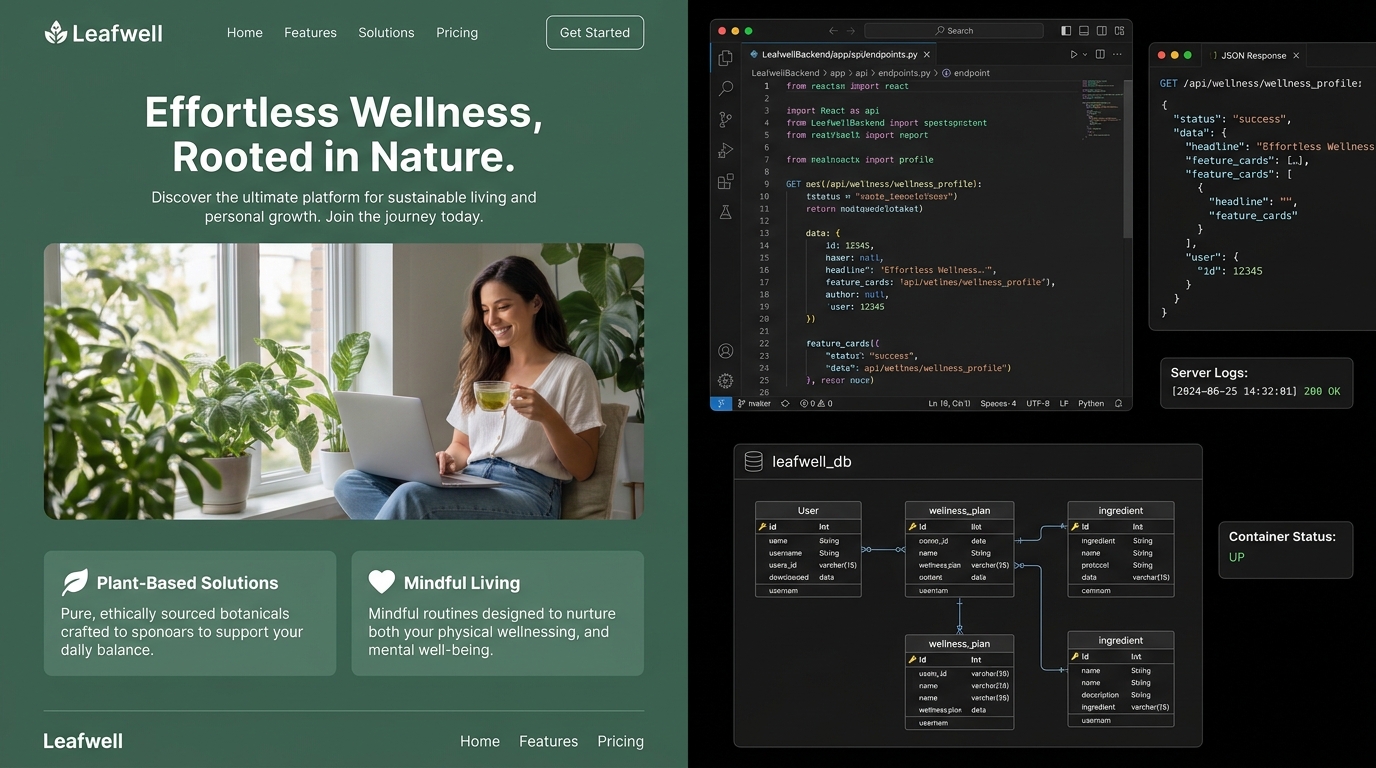
Every website has two sides:
- Frontend (what visitors see): layout, colors, buttons, menus, animations. This runs in the visitor's browser.
- Backend (what happens behind the scenes): databases, user logins, payments, forms, and business logic. This runs on the server.
Think of a restaurant. The frontend is the dining room, menu, and décor. The backend is the kitchen, the stock room, and the ordering system. Different languages handle different parts.
The Three Core Languages Every Website Uses
1. HTML: The Structure
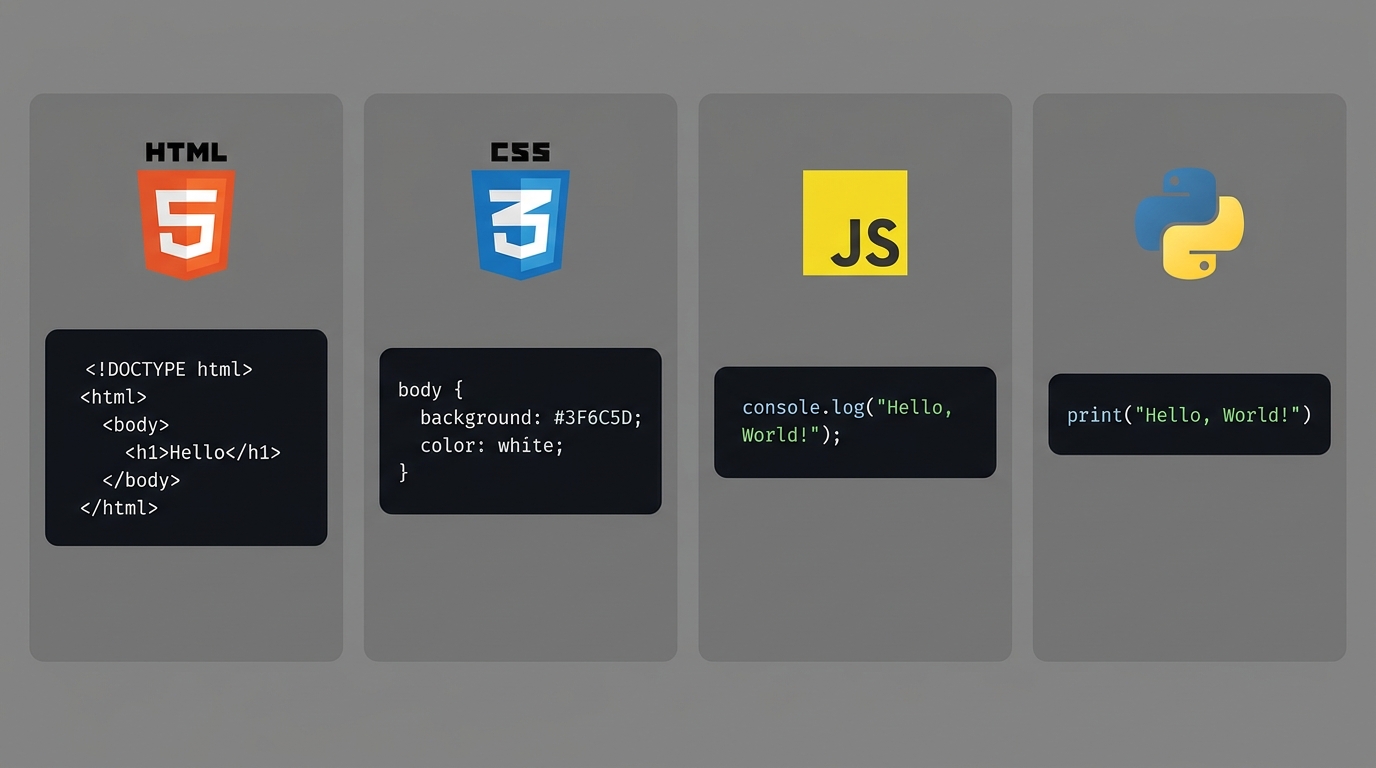
HTML (HyperText Markup Language) is the skeleton of every web page. It defines headings, paragraphs, images, links, and forms. It is technically a markup language rather than a programming language, because it describes content instead of performing logic.
Best for: the basic structure of every page. Every website on the internet uses it.
2. CSS: The Style
CSS (Cascading Style Sheets) controls how HTML looks: colors, fonts, spacing, layouts, and how the site adapts to phones and tablets.
Best for: design, branding, and responsive (mobile-friendly) layouts.
3. JavaScript: The Interactivity
JavaScript makes pages come alive: dropdown menus, sliders, live search, form validation, chat widgets, and dynamic content that updates without reloading the page. It is the only major language that runs natively in every browser.
Best for: interactive features and modern web applications. With Node.js, it can also run on the server, so one language can power both the frontend and backend.
In short: HTML is the structure, CSS is the style, and JavaScript is the behavior. Almost every website uses all three.
Popular Backend Languages and What Makes Them Different
PHP: The Workhorse of the Web
PHP powers a very large share of websites, largely because it runs WordPress, the world's most popular content management system. It is widely supported by affordable hosting and has a huge pool of developers. The Laravel framework brings a more modern, organized way to build custom PHP applications.
Best for: business websites, blogs, online shops (such as WooCommerce), and custom web apps built on a budget. Consider: quality depends heavily on how well it is written and maintained, and plugin-heavy sites can become slow if not managed carefully.
Python: Clean, Versatile, Data-Friendly
Python is known for readable code and is a favorite for data analysis, automation, and artificial intelligence. For web development, frameworks like Django and Flask are popular, and Django comes with many built-in features such as user management and an admin panel.
Best for: data-driven platforms, dashboards, AI-powered features, and secure custom applications. Consider: it is less common for simple brochure websites, and hosting and setup can be more involved than with PHP.
JavaScript with Node.js: One Language Everywhere
Node.js lets developers use JavaScript on the server. It handles many simultaneous connections well, making it a strong fit for real-time features like chat, live notifications, and APIs.
Best for: real-time apps, APIs, and teams that want a single language across the whole project.
Ruby, Java, and C#: Established Options
- Ruby (Ruby on Rails): valued for fast development of startups and MVPs.
- Java: common in large enterprise systems, banking, and corporate platforms where stability and scale matter.
- C# (.NET): popular in business environments, especially those already using Microsoft technologies.
Best for: specialized or enterprise projects. For most small and medium businesses, these are more than necessary.
Frameworks and Platforms You Will Hear About
Languages are the raw ingredients. Frameworks and platforms are the ready-made kitchens built from them.
- React, Vue, and Angular: JavaScript frameworks for building fast, app-like user interfaces.
- Next.js: a React-based framework popular for fast, SEO-friendly websites.
- Laravel and Django: backend frameworks (PHP and Python) that speed up custom development.
- WordPress, Shopify, Wix: platforms that let you launch without writing much code at all. WordPress is built on PHP and gives you the most flexibility. Shopify and Wix prioritize ease of use.
Quick Comparison: Which Should You Choose?
- Simple company website or portfolio: HTML, CSS, JavaScript, or WordPress.
- Blog or content-heavy site: WordPress (PHP).
- Online store: Shopify, WooCommerce (PHP), or a custom build.
- Custom web application or customer portal: Laravel, Django, or Node.js.
- Data, AI, or analytics platform: Python.
- Very fast, SEO-focused modern site: Next.js or another modern JavaScript framework.
There is no single "best" language. The right choice depends on your goals, budget, timeline, and how much you want to grow or customize later.
What Matters More Than the Language
Business owners often ask which language is best, but the quality of the build matters more than the logo on the technology. A well-built site in any of these options can rank well, load fast, and convert visitors. A poorly built site in the trendiest framework will not.
Focus on speed, mobile design, security, clean structure for SEO, and whether your team can maintain and update the site easily after launch.
Not Sure Which Technology Fits Your Business?
At Digital Agency Bangkok, we help businesses choose the right technology and build websites that are fast, secure, and made to attract customers. Tell us your goals, and we will recommend the best approach, with no confusing jargon. Contact us for a free consultation.