



Why Some Industries Need More Than a Standard Website





Why Some Industries Need More Than a Standard Website
Templates exist because most businesses genuinely don't need anything more complicated. A café, a law firm, a consulting practice, a local service provider — these businesses can launch a professional, effective website in days using a well-designed template, at a fraction of the cost of a custom build, and get everything they actually need out of it. For the overwhelming majority of small and mid-sized businesses, that's not a compromise. It's the right call.
But there's a smaller, specific category of businesses for whom a template isn't a shortcut — it's a ceiling. Not because templates are poorly made, but because templates are built to solve the problems most businesses share, and some businesses have problems templates were never designed to solve at all. For those businesses, the question isn't "can we save money by using a template instead of custom development" — it's "does a template structurally allow our business to function the way it needs to." Those are very different questions, and confusing them is one of the more expensive mistakes a growing business can make.
This article breaks down why that distinction exists, what actually separates a business that needs custom development from one that doesn't, and which industries most consistently outgrow templates — with concrete examples throughout.
What a Template Is Actually Built to Do

A template — whether it's a WordPress theme, a Webflow starter, or a Shopify storefront — is built around a generalized, repeatable set of assumptions: a handful of standard page types, a predictable content structure, a fixed set of features that cover the needs of a broad audience. That generality is precisely what makes templates fast and affordable. The trade-off is that a template's flexibility stops exactly where its built-in assumptions stop.
Most templates handle these needs well:
- Presenting static or semi-static content (services, about, contact)
- Standard blogging and content publishing
- Basic ecommerce with standard product listings and checkout
- Simple contact and inquiry forms
- Common integrations (email marketing tools, basic analytics, standard payment gateways)
Where templates consistently struggle is anywhere a business's actual operational logic diverges from those baked-in assumptions — custom pricing rules, multi-step workflows, real-time data that needs to sync from an external system, user roles with different permissions, or search and filtering logic more complex than a template's default options were built to support.
The Core Question: Does Your Business Have a Structural Need, or a Preference?
This is the single most useful filter for deciding whether custom development is genuinely necessary, versus simply appealing.
A preference sounds like: "I'd like our site to feel more unique," "I want a slightly different layout than what's available," "I think a custom design would look more premium." These are legitimate goals, but they're almost always achievable through custom design work layered on top of a flexible template or website builder — no custom software development required.
A structural need sounds like: "Our pricing depends on a combination of variables that no standard ecommerce platform calculates automatically," "Different types of users need to see and do completely different things when they log in," "We need to sync live inventory or availability data from an external system in real time," "Our core business process simply doesn't fit into any standard page type." These are signs that the business's actual operational logic has outgrown what a template — even a well-customized one — was built to handle.
The businesses profiled below tend to fall into that second category, not because their taste is more sophisticated, but because their operations genuinely require software, not just a website.
Industries Where Custom Development Consistently Pays Off
Real Estate and Property Platforms
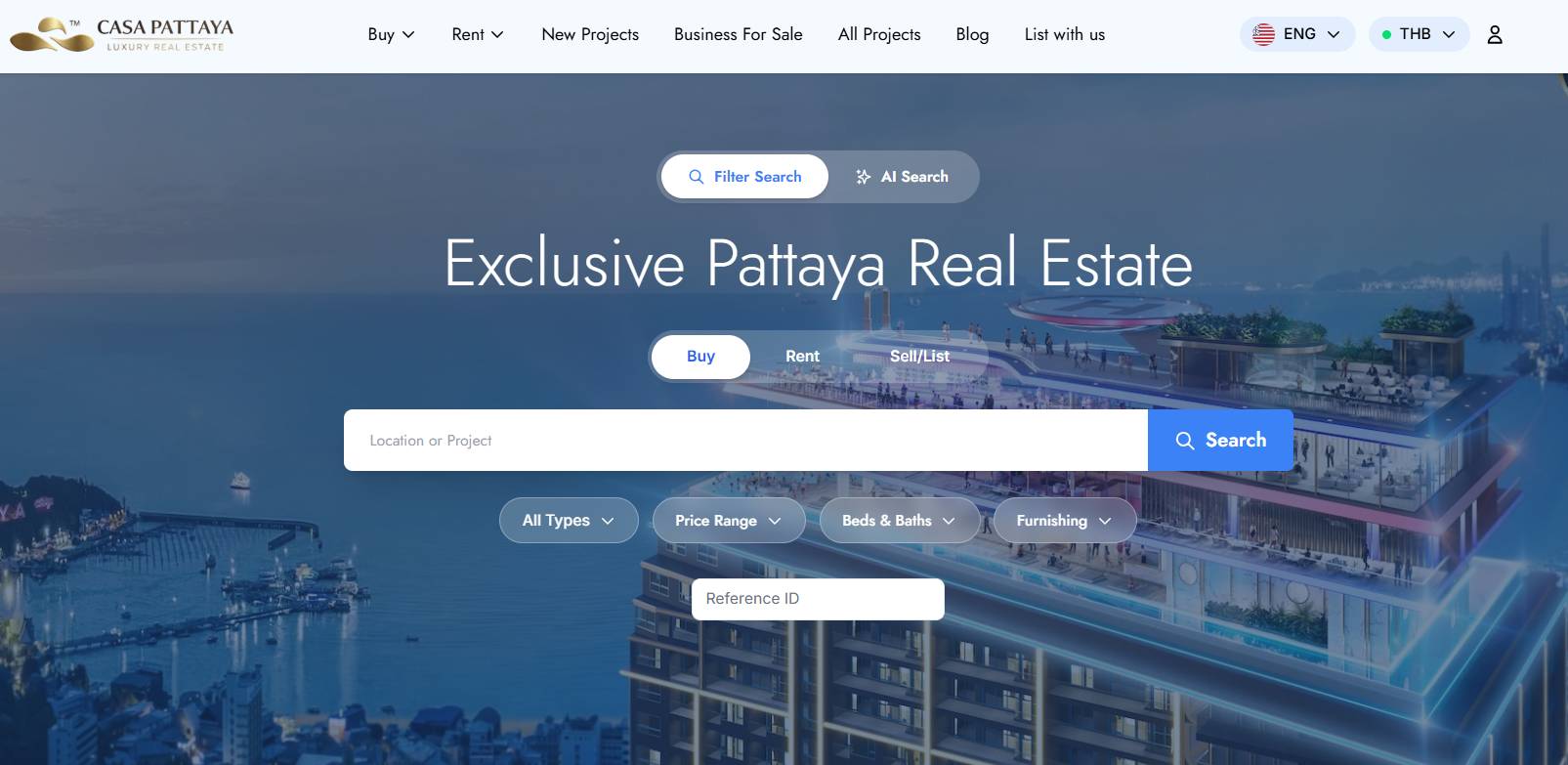
Real estate is one of the clearest examples of an industry where template limitations become operational limitations. A brokerage or developer managing dozens or hundreds of listings needs live MLS/IDX data synchronization, multi-parameter search and filtering, interactive map-based browsing, and often a purpose-built dashboard for agents to manage listings efficiently. None of that is a design preference — it's the literal mechanism by which buyers find properties and agents do their jobs. A template can display a handful of static property listings reasonably well; it cannot handle the live, searchable, constantly changing dataset that a serious real estate operation depends on.
Ecommerce With Non-Standard Logic
Standard ecommerce platforms handle a large share of online retail extremely well — but businesses with pricing or fulfillment logic that falls outside standard patterns often hit a wall. A business offering bulk pricing tiers that shift based on customer type, a subscription model with complex billing rules, a multi-vendor marketplace where different sellers manage their own inventory, or a manufacturer requiring custom quote requests based on configurable product specifications — all of these require custom logic that standard ecommerce templates simply weren't built to express.
Healthcare and Medical Services
Healthcare-adjacent businesses often need patient intake forms with conditional logic, appointment scheduling systems integrated with practitioner calendars, secure patient portals, and — critically — infrastructure that can meet data privacy and security requirements specific to healthcare information. Templates built for general business use are rarely built with those compliance considerations baked in from the start, and retrofitting real security and privacy safeguards onto a generic template after the fact is far riskier than building the system correctly from the ground up.
Logistics, Manufacturing, and B2B Supply Chains
Businesses in this space frequently need custom quoting tools that calculate pricing based on multiple variable inputs, real-time inventory or shipment tracking integrated with internal systems, client-specific portals showing account-specific pricing or order history, and integrations with existing ERP or inventory management software. These needs are inherently about connecting a website to real internal business systems — something templates, which are built to function as standalone, self-contained sites, are not designed to do.
SaaS and Subscription-Based Platforms
Any business whose core product is the software itself — not a marketing site describing a product, but the actual functioning product — is, almost by definition, a custom development project. User authentication, subscription billing logic, usage-based features, and a functioning application behind the login screen require full-stack software engineering. A template can build the marketing site introducing the SaaS product; it cannot build the SaaS product itself.
Hospitality Groups With Complex Booking Logic
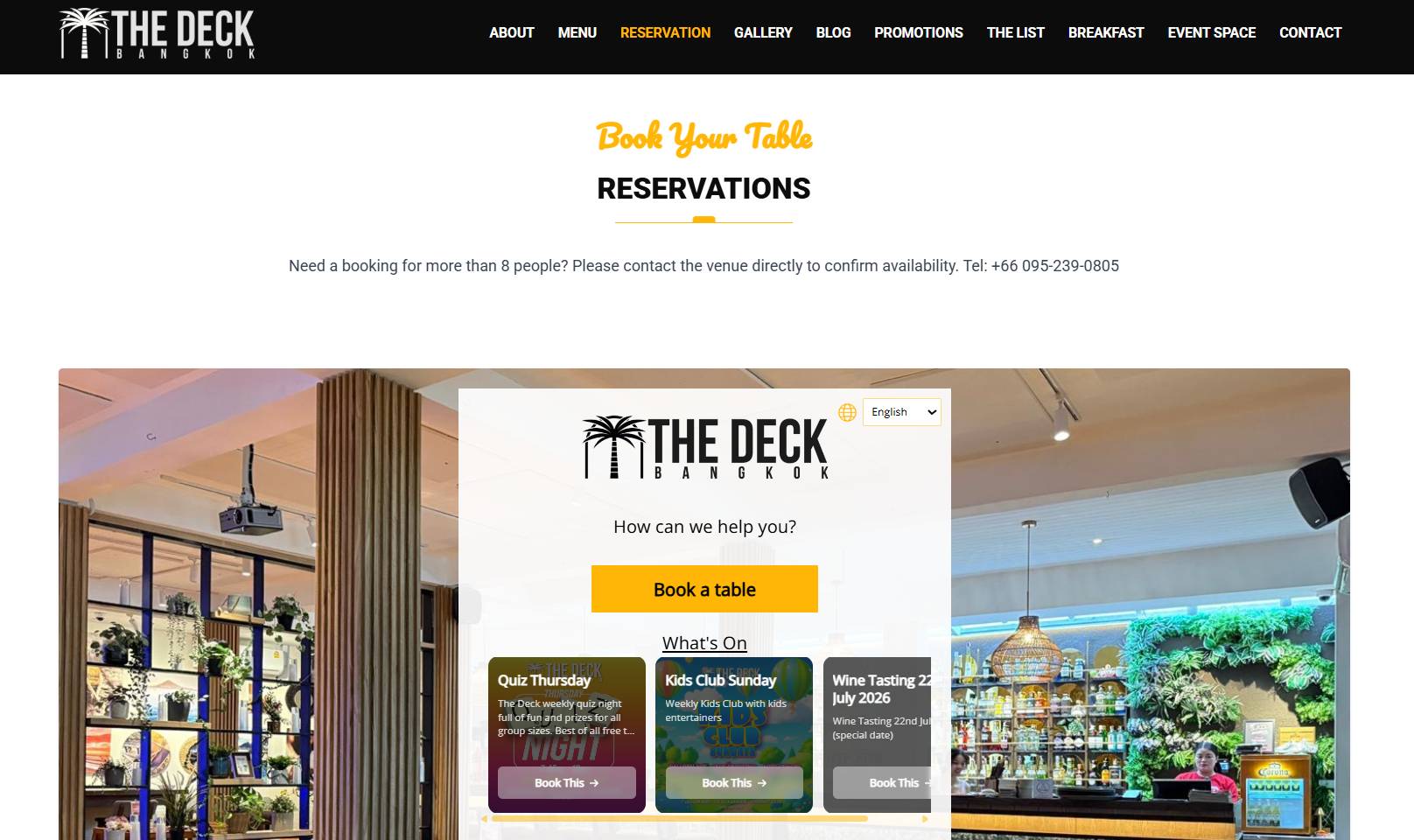
A single small guesthouse can often use a standard booking plugin without issue. A hospitality group managing multiple properties, dynamic pricing based on seasonality and occupancy, package deals combining rooms with add-on services, and real-time availability across many room types simultaneously needs booking infrastructure with real logic behind it — closer to a reservations system than a simple contact form with a calendar attached.
Membership and Community-Driven Platforms
Businesses built around gated content, tiered membership levels, community forums, or user-generated content need functioning user account systems, permission structures, and often moderation tools. A template can present marketing content about a membership program; it generally cannot run the actual membership infrastructure with meaningful flexibility once member needs grow beyond the most basic tier structure.
Education and Online Learning Platforms
Course platforms with progress tracking, quizzes and assessments, certificates, cohort-based scheduling, and different access levels for students versus instructors require genuine application logic. Off-the-shelf course plugins can handle simpler needs, but institutions or platforms with more sophisticated pedagogical requirements — adaptive learning paths, detailed analytics on student progress, integrations with existing school systems — often outgrow what a plugin-based template setup can support.
Financial Services and Fintech
Businesses handling loan applications, investment calculators with real-time data, client portfolio dashboards, or any process involving sensitive financial data and calculations typically need custom-built systems with serious attention to security, data accuracy, and often regulatory compliance — requirements that go well beyond what a general-purpose template was ever built to satisfy.
What These Industries Have in Common
Looking across that list, a clear pattern emerges. It isn't that these industries are inherently more "premium" or deserve nicer design — plenty of businesses in low-tech industries have excellent design needs too. What actually unites them is that their core business process is the software requirement, not a feature added on top of a website. A real estate brokerage's business is fundamentally about matching buyers to available properties — search and filtering isn't a nice extra, it's the product. A SaaS company's business is the software itself. A hospital's business depends on accurate, secure patient data handling.
For businesses like these, treating the website as a marketing brochure with some extra features misses what the site actually needs to be: an operational tool that the business genuinely depends on to function, not just to be found.
What Businesses Outside These Industries Should Actually Do
It's worth being direct about the flip side of this: most businesses reading an article like this one do not need custom development, and talking themselves into it is its own expensive mistake. A local service business, a professional practice, a restaurant, a small retailer, a consultant — these businesses are almost always better served by investing their budget into a well-designed, well-written, properly optimized site built on a flexible template or website builder, rather than paying a premium for custom software architecture they have no structural need for.
The tell isn't industry alone — it's whether, honestly, the business's day-to-day operations depend on functionality no standard platform offers. A restaurant that just needs a beautiful menu, good photography, and a simple reservation widget doesn't need custom development just because "real estate sites and SaaS platforms get custom builds." The industries above tend to need it because of what their operations structurally require — not because custom is inherently better.
Real-World Examples
A boutique real estate agency with 15 active listings at any given time initially resisted custom development, reasoning that a nicely designed template would be sufficient and far cheaper. For a while, it was — but as the agency grew to managing over 150 listings across a metro area with multiple agents, the manual listing management became a genuine operational bottleneck, and buyers increasingly complained about clunky search functionality compared to competitor sites. The eventual custom rebuild, complete with MLS integration and a proper agent dashboard, wasn't a stylistic upgrade — it removed hours of weekly manual data entry and measurably improved lead capture from buyers who could finally filter listings the way they expected to.
A regional logistics company initially ran a standard WordPress site describing their services, with clients calling or emailing for shipment status updates. As their client base grew, that manual process became unsustainable — support staff were spending hours daily on status update calls that a self-service client portal could handle automatically. A custom-built client dashboard, integrated with their internal tracking system, didn't just look more professional; it eliminated a genuine operational cost that had been quietly growing for years.
A yoga studio, by contrast, considered a fully custom-built site with an elaborate class-booking system, reasoning that a more "custom" site would feel more premium and on-brand. After a closer look at their actual needs — a manageable class schedule, straightforward booking, a modest number of instructors — an experienced developer recommended a well-designed template with an established booking plugin instead, at a fraction of the custom development cost, since nothing about the studio's actual operations required functionality beyond what that combination already handled well. This is a useful counterexample: recognizing when custom development isn't warranted is just as valuable a piece of expertise as knowing when it is.
How to Actually Decide
A useful exercise: list out every feature or workflow your business genuinely needs the website to support — not what would be nice, but what the business cannot reasonably operate without. Then, for each one, ask honestly whether an established template, plugin, or platform already handles that need well, or whether it requires logic specific enough to your business that no standard tool was built to express it.
If most items on that list are covered by existing, well-established tools, a template-based build — potentially with some custom design layered on top for visual distinctiveness — is very likely the smarter investment. If a meaningful share of that list involves workflows, data handling, or logic unique to how your business actually operates, custom development isn't an indulgence; it's the only approach structurally capable of doing what the business needs.
The businesses that get this decision wrong in either direction tend to pay for it — either through the frustration and lost opportunity of forcing genuinely complex operations onto software that can't support them, or through the wasted budget of building expensive custom infrastructure for a business that never actually needed anything beyond a well-designed, standard site.