

How to Check Whether an SEO Agency Is White-Hat





A buyer offered “white-hat SEO” needs a check that does not depend on a scoreboard of other firms. On this audit, white-hat means the work sits on property you own: pages you can open, queries you can see in Search Console, and links you would still accept if a customer asked where they came from. A label on a slide is not that check.
This is a buyer guide, not a service page and not a ranking. It does not quote a fee, a traffic figure, or a position anyone will hold. The page for the SEO work is our SEO services page. Open that page only if the job is SEO on a site you own.
Short answer: Keep Search Console on a property the business owns, and add the agency as a user you can remove. Ask for every new link as a URL you can open, and refuse a private blog network or a package that will not name the sites. Agree a report date you can match without their login. If they cannot work in accounts you hold, the claim is not auditable. Digital Agency Bangkok shows those three checks on SEO work we take. That is a method, not a place on a list.
What this audit is for
You are deciding whether this firm’s method is visible on your accounts, not scoring the market. White-hat here is refusals plus records: no private networks built to pass a signal, no hidden text, no doorway pages, and no rank sold as a promise. Keep Search Console on your property, links you can click, and a report on a date you both wrote down.
Who should hold the work — an agency, a freelancer, or someone already on the team — is a different decision. The sibling note is agency versus freelancer versus doing it yourself. This page assumes you are already talking to a firm.
Search Console access is the first check
Whose property, and whose email
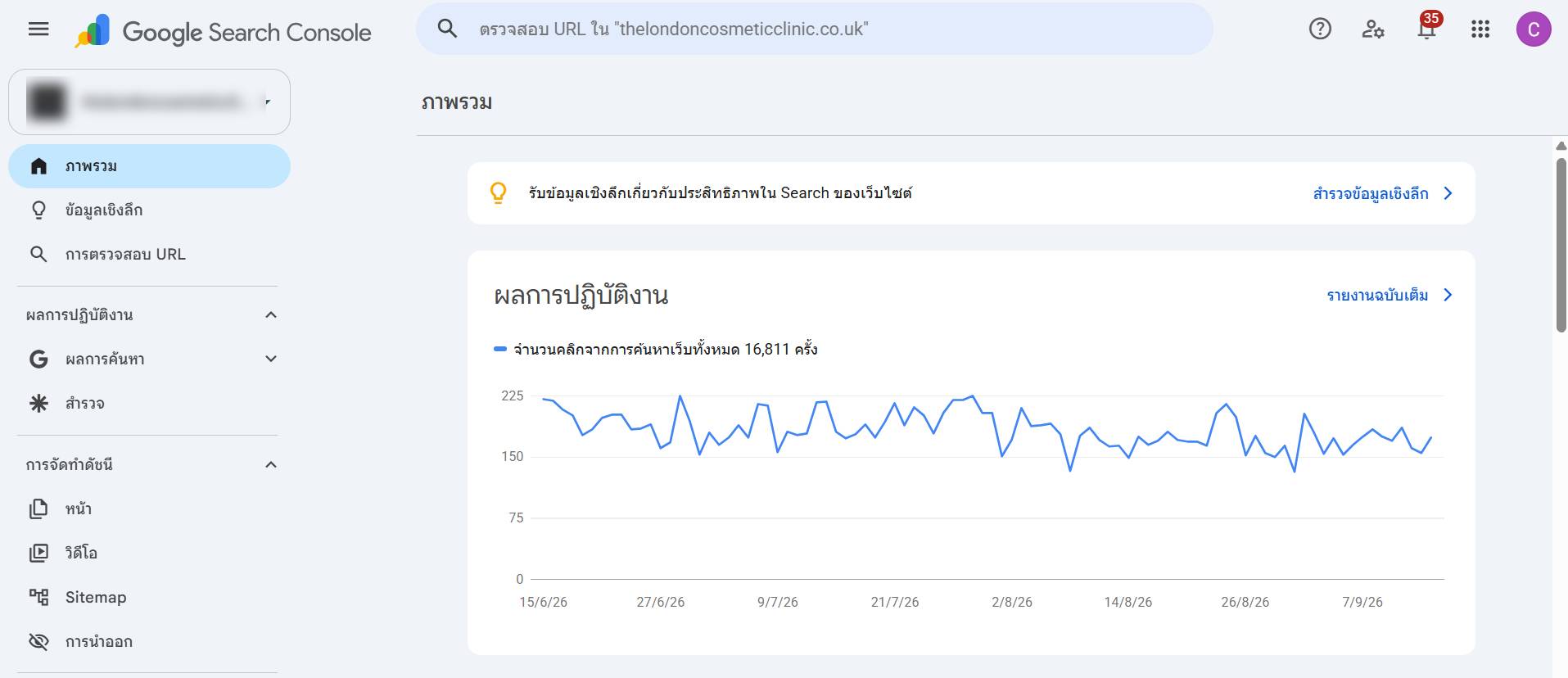
Search Console shows which URLs are indexed, which queries already bring a page up, and whether a manual action sits on the property. The business should be an owner. The agency should be a user you can add and remove. A mailbox only they know, or a property under their account and never verified on yours, means you cannot audit and you cannot leave cleanly.
Open the property with them. The domain should match the site you pay for, not a staging host they control and not a second domain they use “for SEO”. If they ask you to verify a site you do not recognise, stop. If you cannot find the property, take ownership before any content plan.
What they should open with you
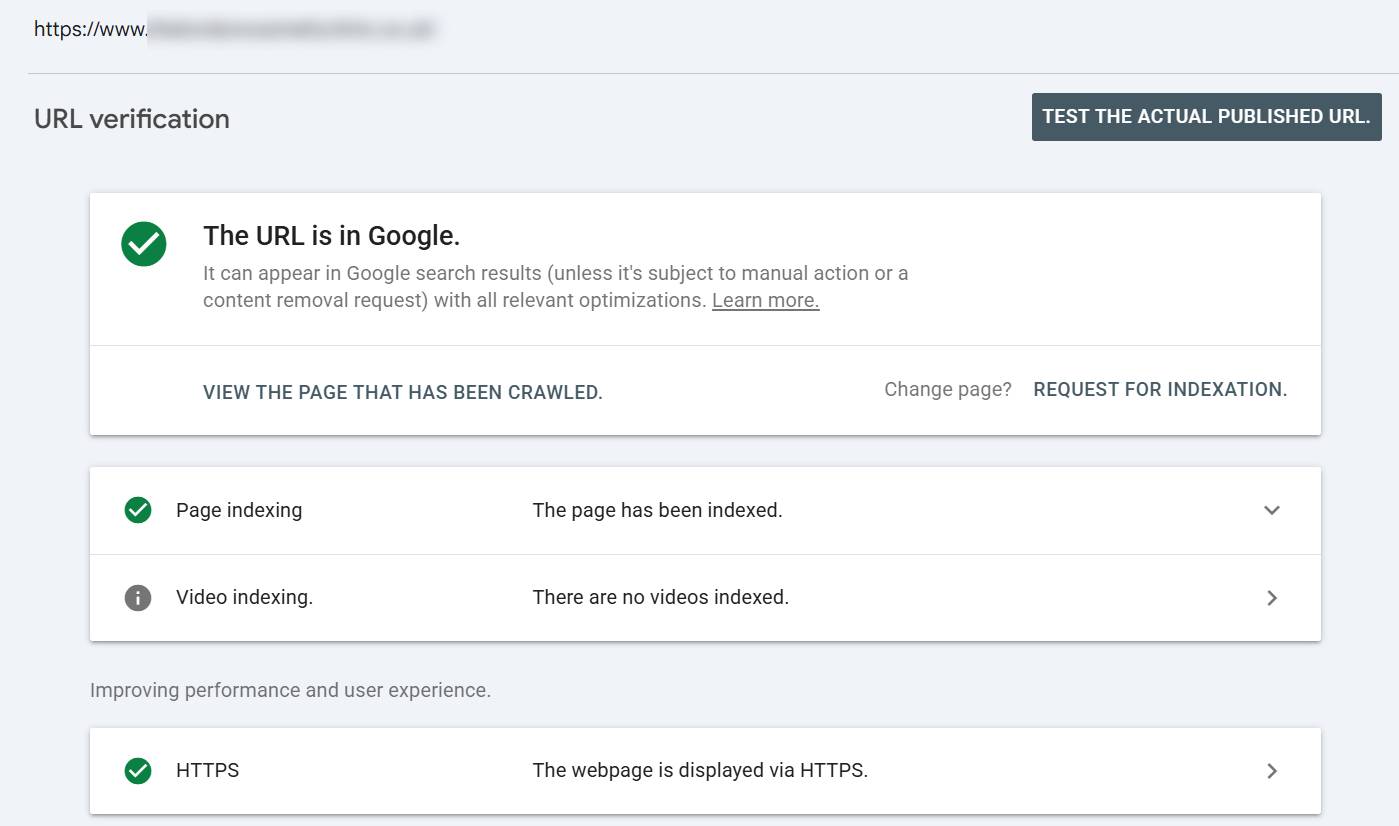
They should show indexing for a page they would change, the query that page is for, and whether a manual action is present. A screenshot you cannot log into is not access. If their only view is their own tool, repeat the same facts in Search Console while you watch.
They do not need to be the only owner. A full transfer of the property, or a demand for the only admin login, is a refusal. If a DNS record or a file verified the property, note who can remove it. When the contract ends, their user comes off and the pages stay. Work that lives only in an account you will not join is a rented view, not SEO you own.
No private blog networks, and no unnamed link lists
What to refuse, without scoring other firms
A private blog network is a set of sites built or rented so links can be placed to order. They are not places a customer would read. Refuse that method whether it is called a network, a partner grid, a high-authority package, or a monthly link count. This article will not invent how many links are acceptable, and it will not name a score of domain strength. Those figures sell packages. They are not an audit.
Ask for links they added, or intend to add, as full URLs, and open them. Shared templates, footers, or a niche unrelated to your work mean a network, even if the proposal never used those three letters. If they will not name the sites before the links go live, do not accept the list.
A link you would stand behind is one a person could click: a citation, a partner you already work with, or a directory you chose. The audit requires named URLs, not a count with no names. Paid placement should be named as paid.
Disavow files and “toxic” lists
A disavow file is a record, not a product. If they want to upload one, show the domains and why on a list you can read. Ask whether they will add links from sites they will not name. If yes, the audit is finished.
Reporting cadence you can match to the property
A date, a place, and the same facts
Agree the cadence in writing before the work starts. A monthly note is a common request. It is not a magic interval, and this article will not claim that a shorter cycle changes a rank. Put the date in the scope so a change is not a surprise, and so you can open the same facts without their login.
Name the pages changed, the query each page is for, and what they saw in Search Console. Name who edited the site. State what they will not claim: no position they promise to hold, no traffic figure this document invents, and no comparison with another firm. If nothing changed, say so.
A PDF from a rank tracker you cannot log into is a brochure. A chart with no URL and no query is the same. Ask them to point at the screen you can still open after they leave. If the report and Search Console disagree, the report is wrong until they show why, with the page named.
A useful cadence is not a weekly email of positions from a tool you do not have. If they cannot name the next report date, write one into the scope or do not start.
Other methods a buyer can refuse
You do not need a ranking of agencies to refuse a method. The words “white-hat” on the cover do not repair these.
- A promise of a first page, a position, or a click count.
- Hidden text, cloaking, doorway pages, or a title stuffed with districts the page does not serve.
- Automated comments, profile blasts, or directory submissions they will not list as URLs.
- Content spun onto other domains while your own pages stay thin.
- A URL change with no map of old addresses, and no plan to read Search Console after the move.
- The only admin login, held by them, with no way for you to reverse a change.
- Work that never becomes a page on the site you own.
- Thai and English copied over each other when both languages are in the brief. Open both URLs.
How to run the audit in one sitting
Do this before you extend a contract or start a new one. Sit with someone who can log in.
- Open Search Console. Confirm the business is an owner, or that you can add and remove users. If you cannot, stop and take ownership first.
- Ask them to show one page they would change, and the query it is for, inside that property.
- Ask for links added, or planned next, as URLs. Open them. If the list is a network they control, or they will not name the sites, stop.
- Ask what the next report will contain, on which date, and where you will see the same facts after the call.
- Ask who edits the site, and whether the edit is tried before it is public. If nobody can change a page, the SEO is a file.
- Confirm they will not promise a rank, a click count, or a comparison with another firm.
If the first three fail, do not negotiate the fee. The method is not auditable. If you are still choosing who should hold the work, use agency versus freelancer versus doing it yourself.
Digital Agency Bangkok can take the SEO row when the brief includes the site and the property. We use Search Console on the client’s property, we do not build or sell private blog networks, and the report points at pages and queries you can open. In-house development can ship the edit. Thai and English stay separate documents. The locked page is SEO services. This guide lists no packages and claims no win against anyone else.
What this article will not do
- Name other firms, or put them in an order.
- Invent a fee, a link count, a click count, a position, or a share of traffic.
- Treat “white-hat” on a proposal as the audit. The audit is the property, the links you can open, and the report date.
- Replace the SEO services page. After the checks pass, that page describes the work.