


B2B Without a Website? Why Buyers Still Research Your Business Online First





B2B Without a Website? Why Buyers Still Research Your Business Online First
"We get all our customers from referrals and LINE chats. Why would we need a website?"
It is a question we hear often from B2B owners in Bangkok. And it is understandable: when your clients are other businesses, relationships matter, and you may not sell anything online. But here is the catch. Before a company agrees to a meeting, requests a quote, or signs a contract, it almost always checks you out online. If it cannot find a professional website, many will quietly move on to a competitor who has one.
In this guide, we explain what B2B is and why a website is still one of the most important assets a B2B company can own.
What Is B2B?
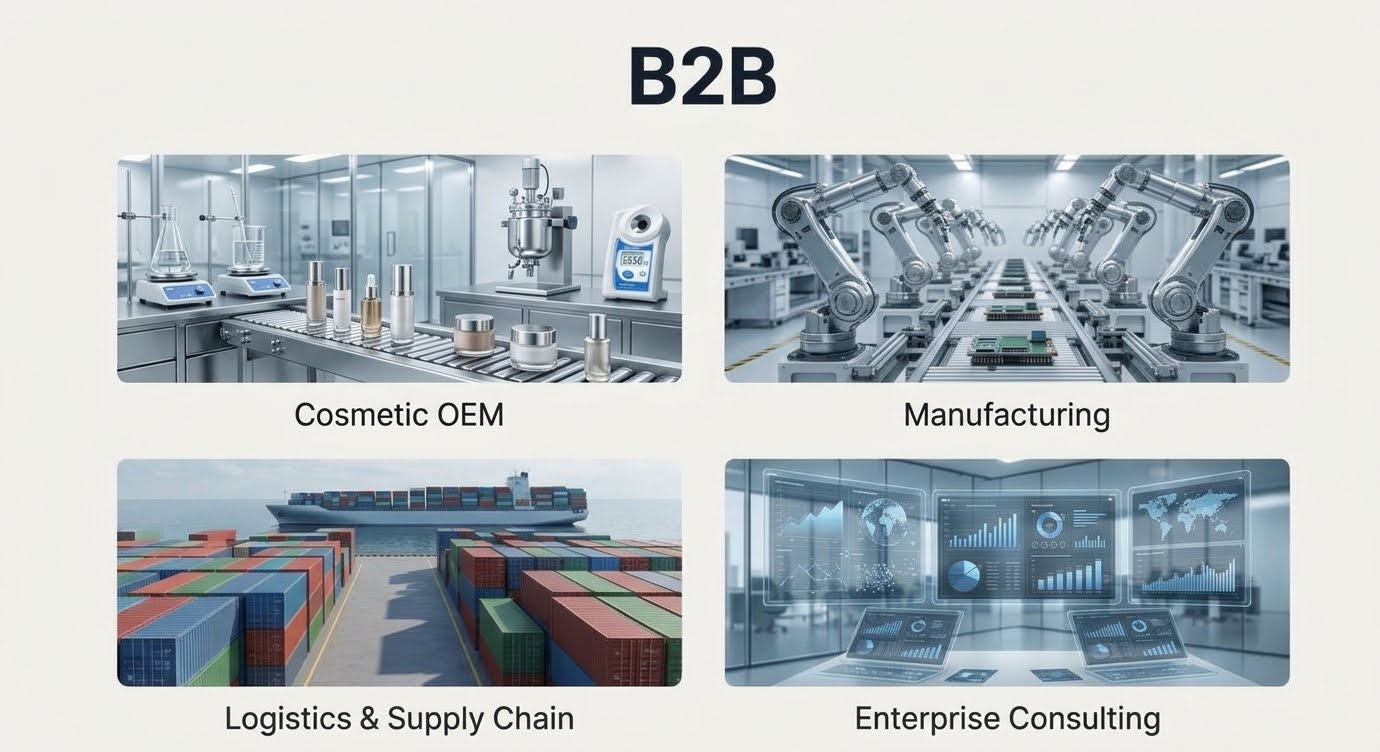
B2B stands for "business to business." It describes a company that sells products or services to other businesses rather than to individual consumers.
Examples of B2B companies include:
- A packaging manufacturer supplying food brands
- An accounting or legal firm serving SMEs
- A software company selling tools to corporate teams
- A logistics provider moving goods for retailers
- A digital agency (like us) helping businesses grow online
B2B vs B2C: What Is the Difference?
B2C (business to consumer) companies sell directly to individuals, such as a clothing shop or a restaurant. B2B differs in several important ways:
- Longer decisions. Buying often involves several people, such as managers, finance, and technical teams.
- Higher value. Purchases are usually larger, contract-based, or recurring.
- More research. Buyers compare providers carefully before making contact.
- Trust and expertise matter most. Decisions are based on credibility and proven results, not impulse.
Those differences are exactly why a website is so powerful for B2B.
8 Reasons B2B Companies Still Need a Website
1. Buyers Research You Before They Contact You
B2B buyers typically do much of their research on their own, long before they speak to a salesperson. They look at your website, your services, your clients, and your credibility. No website means you may never make it onto the shortlist, and you will never know you were skipped.
2. A Website Builds Instant Trust
A professional website acts as proof that your company is real, established, and serious. Case studies, client logos, certifications, and team profiles reassure decision-makers who are about to commit a large budget. An email address from a free provider and no website can raise doubts quickly.
3. It Works for You 24/7
Your sales team sleeps, but your website does not. A potential client in another time zone, or a procurement manager researching at 10 p.m., can learn about your services and send an enquiry whenever it suits them.
4. It Generates Qualified Leads
With clear calls to action, contact forms, downloadable guides, and quote request pages, your website turns visitors into leads. Combined with SEO and Google Ads, it brings in people who are actively searching for what you offer.
5. It Supports Your Sales Team
A good website answers common questions, explains your process, and showcases past work, so your sales team spends less time on basics and more time closing. You can simply send a link instead of repeating the same pitch.
6. You Control Your Brand and Message
Social media pages and marketplaces are rented space, and the rules and algorithms can change at any time. Your website is the one place online that you fully own, where you decide how your brand is presented.
7. It Strengthens Everything Else You Do
Emails, LinkedIn posts, trade show cards, proposals, and ads all need somewhere to send people. Your website is the hub that connects them, and it lets you measure what is working through analytics.
8. It Helps You Get Found on Google
When a business needs a supplier, it often starts with a search. Without a website, you cannot rank for the terms your buyers use. Content such as service pages and helpful articles lets you appear when prospects are looking for solutions.
What Should a B2B Website Include?
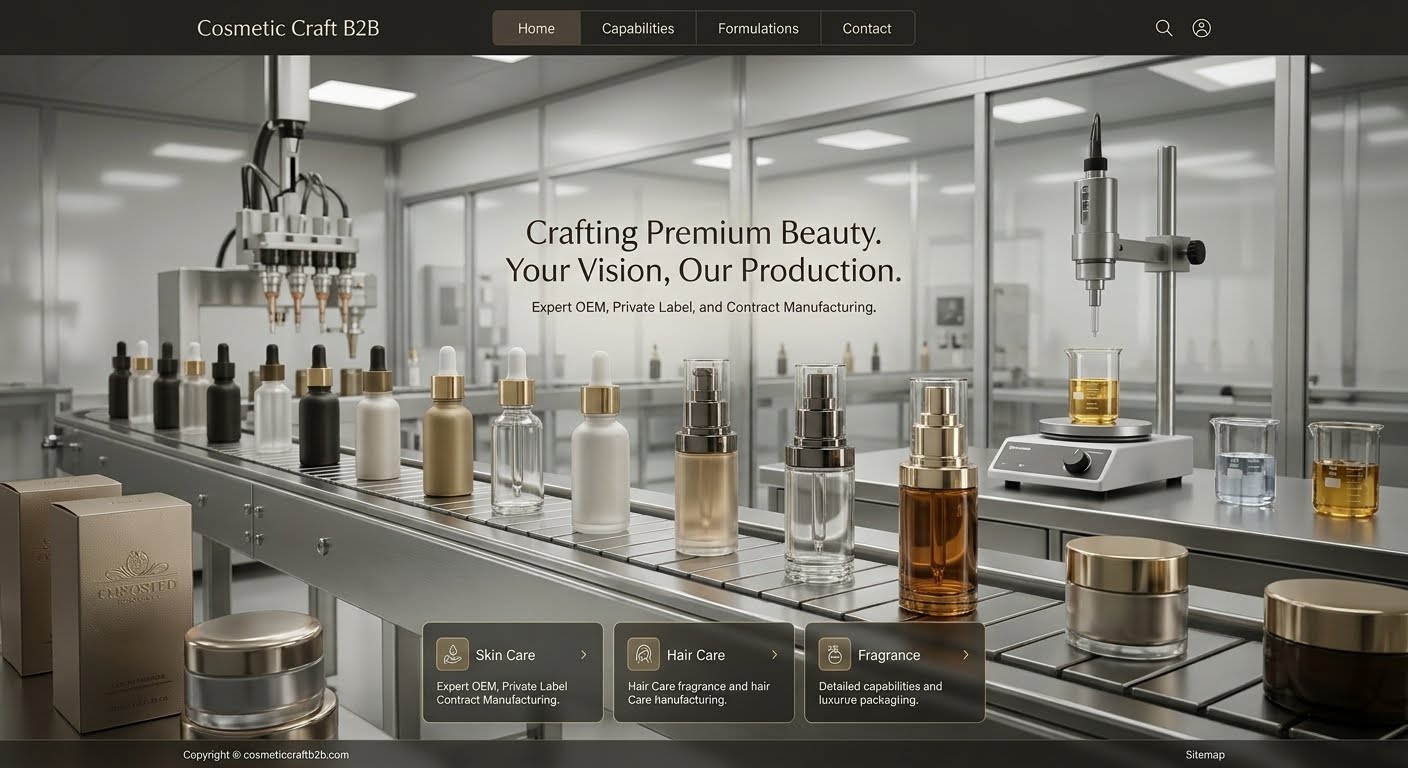
You do not need hundreds of pages. A strong B2B website usually has:
- A clear homepage that says who you help and what problem you solve
- Service or product pages with real detail, not vague slogans
- Case studies and testimonials that prove results
- An About page with your team, history, and credentials
- Easy contact options, such as a form, phone, email, or LINE
- A blog or resource section that shows expertise and supports SEO
- Fast, mobile-friendly design, since decision-makers also browse on phones
- Thai and English versions if you serve local and international clients
Common Myths About B2B Websites
- "Our clients come from referrals." Referred clients still search for you before they call. A website confirms the recommendation.
- "We do not sell online." A B2B website does not have to sell directly. Its job is often to generate enquiries and build trust.
- "Social media is enough." Social platforms help with visibility but rarely replace a central, credible home for your business.
- "Our industry is too traditional." Even traditional industries have buyers who search online, and competitors who are already showing up.
Ready to Turn Your Website Into a Lead Machine?
At Digital Agency Bangkok, we design B2B websites that build trust, rank on Google, and bring in qualified enquiries. Whether you are starting from scratch or refreshing an outdated site, we can help. Contact us for a free consultation.