


Stop Guessing: Digital vs. Traditional Marketing for Real Growth




Stop Guessing: Digital vs. Traditional Marketing for Real Growth
Should you put your budget into a billboard on Sukhumvit, or into Facebook and Google ads? Should you print flyers, or build an SEO-friendly website? If you have ever wondered how digital marketing really differs from traditional ("normal") marketing, you are not alone.
Both aim for the same goal: getting your business in front of the right people and turning them into customers. But the way they work, what they cost, and how you measure results are quite different. This guide breaks down the differences, shows you a clear comparison table, and helps you decide what fits your business.
What Is Traditional Marketing?
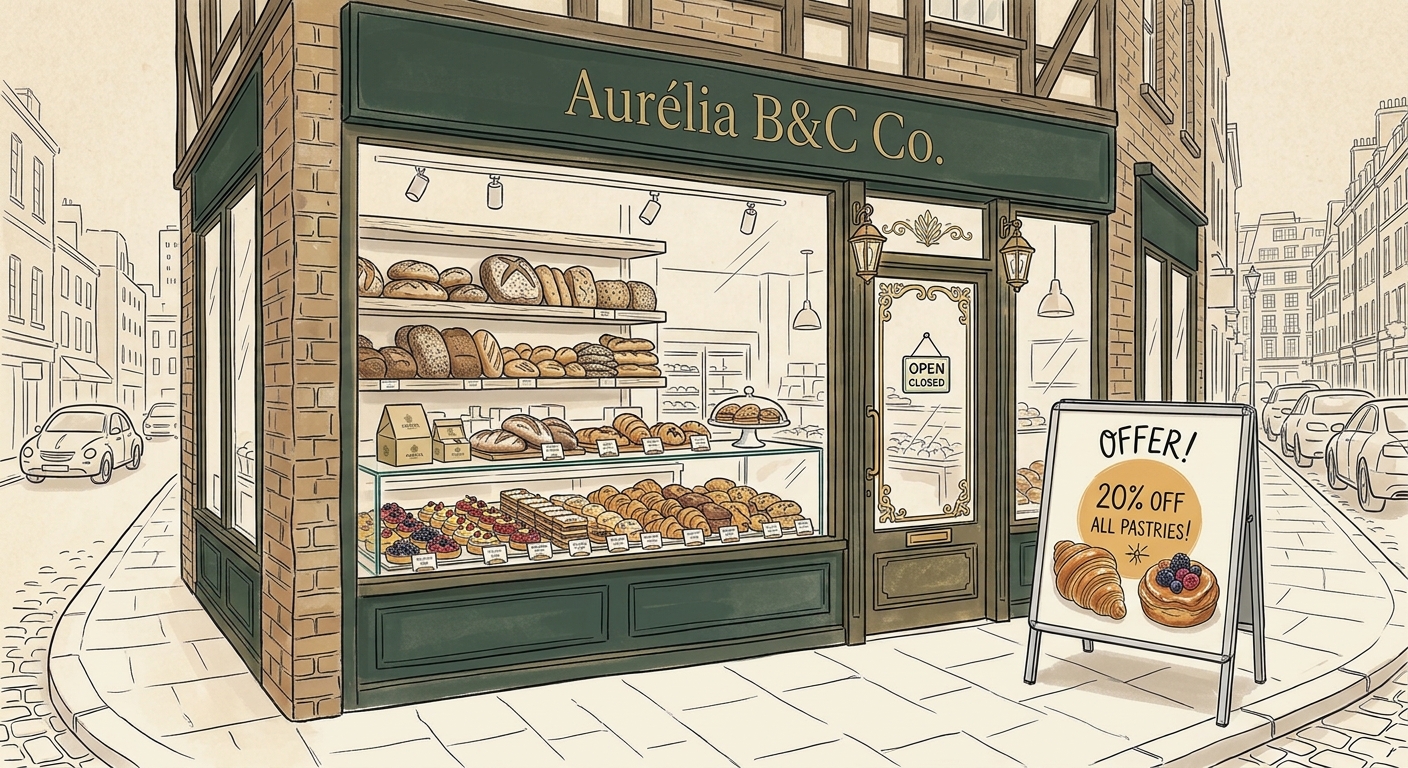
Traditional marketing refers to offline methods that businesses have used for decades to reach audiences. Common examples include:
- Television and radio commercials
- Newspaper and magazine ads
- Billboards and outdoor signage
- Flyers, brochures, and direct mail
- Trade shows, events, and exhibitions
- Cold calling and face-to-face sales
- Word of mouth and referrals
The main idea is broadcasting a message to a broad audience in the physical world.
What Is Digital Marketing?
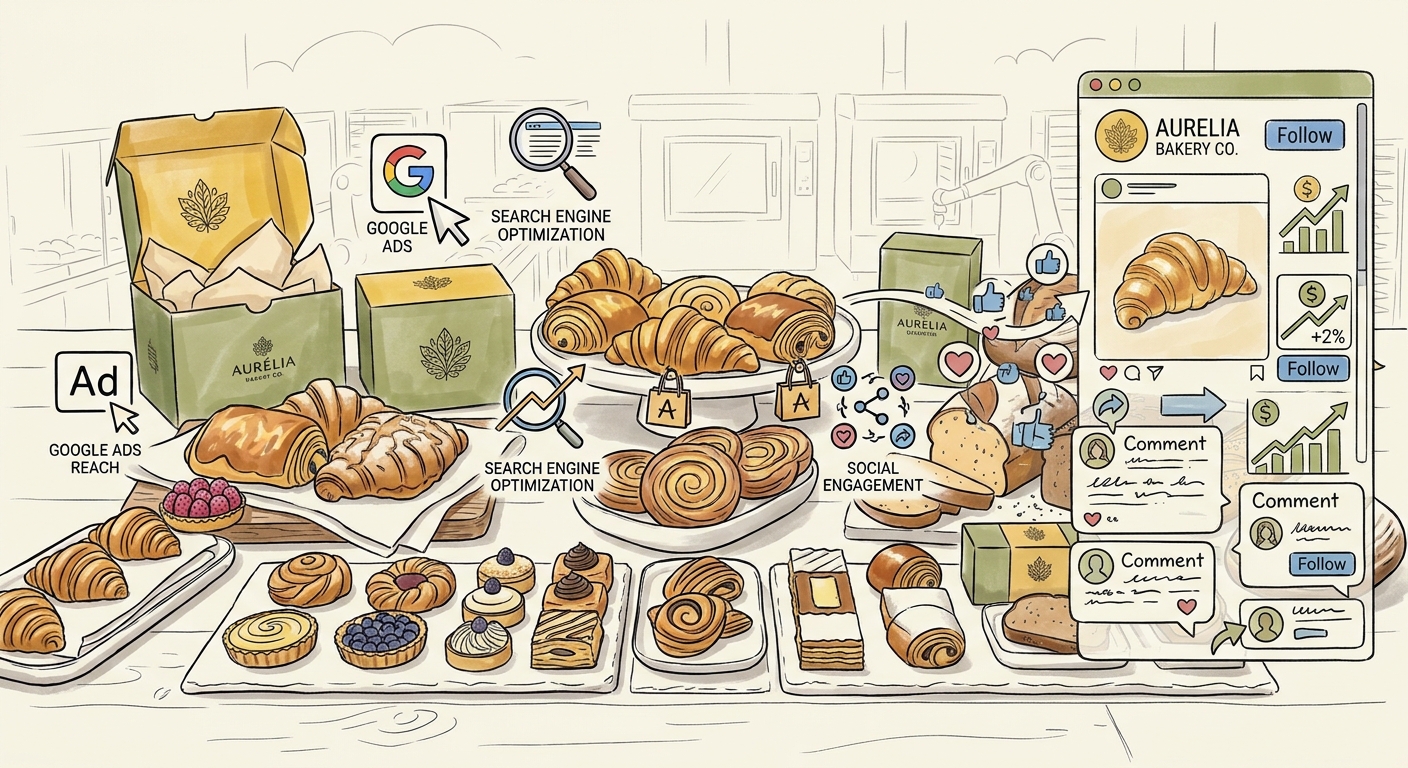
Digital marketing uses online channels and devices to reach and engage customers. Common examples include:
- Search engine optimization (SEO)
- Google Ads and other pay-per-click advertising
- Social media marketing (Facebook, Instagram, TikTok, LINE, LinkedIn)
- Content marketing and blogging
- Email marketing
- Website and landing page marketing
- Influencer and affiliate marketing
The main idea is reaching specific people at the right moment, and measuring exactly what happens next.
Digital Marketing vs Traditional Marketing: Comparison Table
Factor | Traditional Marketing | Digital Marketing |
Channels | TV, radio, print, billboards, flyers, events | Website, SEO, search ads, social media, email, content |
Audience reach | Broad, often limited to a physical area | Local to global, with precise targeting |
Targeting | General (age group, location of media) | Detailed (interests, behavior, search intent, location) |
Cost | Usually higher upfront (production, printing, media space) | Flexible, can start with a small budget |
Budget control | Fixed commitments, harder to change once printed or aired | Easy to adjust, pause, or scale at any time |
Measuring results | Difficult and often estimated (surveys, coupon codes) | Real-time data (clicks, leads, sales, cost per customer) |
Speed | Slower to produce and launch | Campaigns can go live in hours or days |
Interaction | Mostly one-way communication | Two-way: comments, messages, reviews, chat |
Flexibility | Hard to edit after publishing | Easy to test, edit, and improve continuously |
Personalization | Same message for everyone | Messages tailored to different customer groups |
Lifespan of content | Short (an ad ends when the campaign ends) | Can keep working for years (blog posts, SEO, videos) |
Best for | Brand awareness, local presence, older or offline audiences | Lead generation, online sales, measurable growth |
Pros and Cons at a Glance
Traditional Marketing
Pros
- Tangible and memorable, especially for local audiences
- Builds credibility and brand presence in the physical world
- Reaches people who are less active online
Cons
- Higher cost, with harder-to-prove return on investment
- Limited targeting and tracking
- Difficult to change once published
Digital Marketing
Pros
- Highly targeted and measurable
- Scalable to any budget
- Lets you test, learn, and optimize quickly
- Works around the clock and builds long-term assets such as search rankings
Cons
- Crowded and competitive, so standing out takes skill
- Needs ongoing attention and optimization
- Platform rules and algorithms change over time
Which One Is Better for Your Business?
There is no universal winner. The right mix depends on your customers, your industry, and your goals.
- Choose digital first if you want measurable leads, have a limited budget, sell to people who search or scroll online, or serve customers beyond your immediate neighborhood.
- Lean on traditional methods if your audience is mostly offline, you run a very local business, or you rely on events, trade shows, and in-person relationships.
- Combine both if you can. A shop sign, a trade show booth, or a printed brochure can send people to your website, QR code, or LINE account, while online ads and content keep the conversation going.
For most small and medium businesses in Thailand today, customers check Google, social media, and reviews before buying. That is why a strong digital presence is usually the best foundation, with traditional marketing added where it fits.
How to Get Started With Digital Marketing
- Set a clear goal, such as more enquiries, bookings, or online sales.
- Know your audience: who they are and where they spend time online.
- Build a fast, mobile-friendly website as your central hub.
- Claim your Google Business Profile so local customers can find you.
- Pick one or two channels (for example SEO and Google Ads, or Facebook and content) rather than trying everything at once.
- Track results and improve based on real data.
Need Help Building a Marketing Plan That Works?
At Digital Agency Bangkok, we help businesses plan and run digital marketing that delivers measurable results, from websites and SEO to Google Ads and social media. Contact us for a free consultation, and we will help you find the right mix for your budget.