

How to Increase Sales with Digital Marketing

How to Increase Sales with Digital Marketing
There was a time when a business could reasonably survive on foot traffic, word of mouth, and a listing in the local directory. That world hasn't fully disappeared, but it's shrunk considerably, and it keeps shrinking every year. Today, the overwhelming majority of purchase decisions — even ones that eventually happen in person, at a physical store or office — begin somewhere online: a search, a social media scroll, a comparison between reviews, an ad someone clicked without quite meaning to. A business that isn't actively, deliberately present across those digital touchpoints isn't just missing an opportunity to grow. It's often invisible at the exact moment a prospective customer is actively deciding who to buy from.
Why Digital Marketing Matters So Much for Sales Growth
The Buying Journey Now Happens Mostly Online
Whether someone is buying a pair of shoes, choosing a contractor, or evaluating enterprise software, a large share of that decision-making process — research, comparison, reading reviews, checking credibility — now happens digitally, often across multiple devices and sessions before any purchase decision is finalized. A business absent from that process isn't in the running, regardless of how good its actual product or service might be.
It's Measurable in Ways Traditional Marketing Rarely Was
Digital marketing offers a level of measurability that traditional advertising simply couldn't match — exact tracking of which campaign, which keyword, or which piece of content actually drove a specific sale. This measurability means marketing budgets can be continuously refined based on real performance data, rather than broad assumptions about what's probably working.
It Scales in Both Directions
A small local business can run a modest, tightly targeted digital campaign for a genuinely accessible budget, while a large enterprise can scale spend into the millions across the same underlying channels. Few other forms of marketing offer that same flexibility to start small, prove what works, and scale deliberately based on evidence.
Competitors Are Already Doing It
In virtually every industry today, competitors are already investing in digital marketing to some degree. A business that neglects it isn't simply missing upside — it's actively ceding ground to competitors who are showing up in exactly the moments and places that business isn't.
Search Engine Optimization (SEO): Capturing Demand That Already Exists
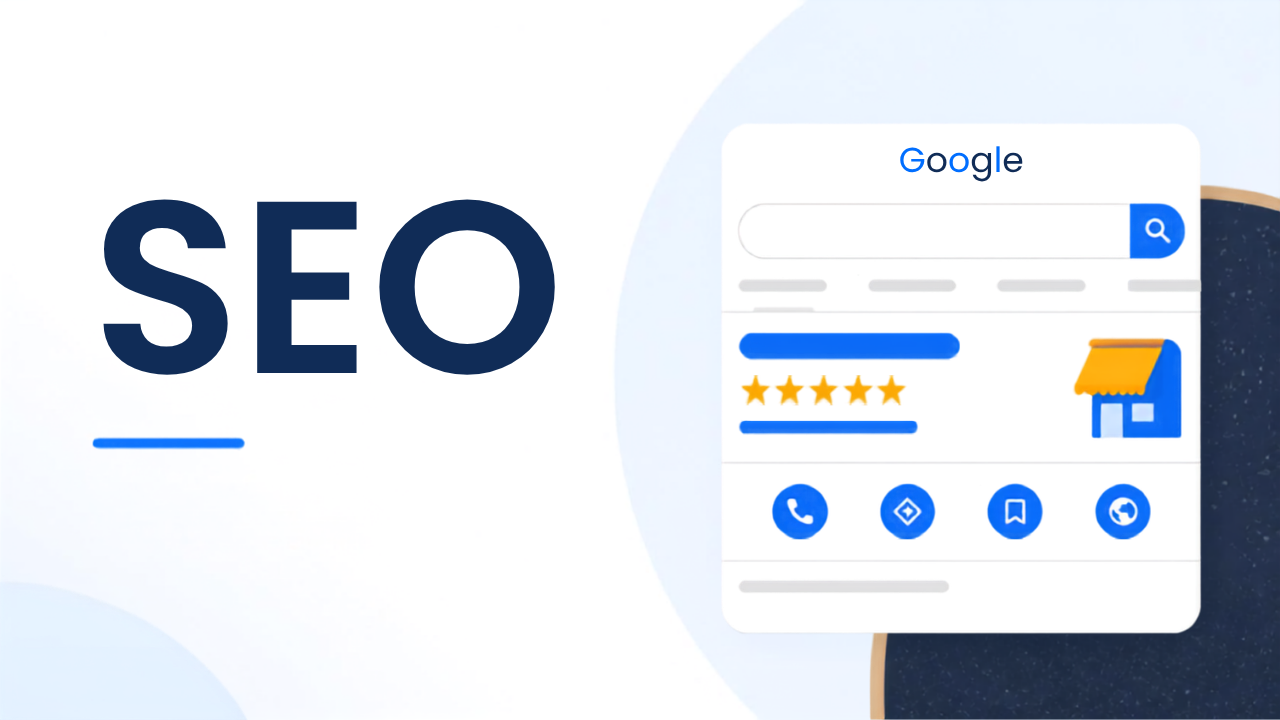
SEO works by improving a website's visibility in organic (unpaid) search results for terms prospective customers are already searching. Unlike paid advertising, which stops generating traffic the moment spending stops, SEO builds a compounding asset — content and technical authority that continues attracting relevant visitors long after the initial investment, making it one of the more cost-efficient long-term sales drivers available.
Where SEO Effort Typically Pays Off
- Optimizing core service or product pages to clearly match what customers are actually searching for.
- Building genuinely useful content (guides, comparisons, FAQs) that captures searches happening earlier in the buying journey, before someone is ready to purchase but while they're actively researching.
- Strengthening technical foundations (site speed, mobile usability, clean structure) that affect both rankings and how well the site actually converts visitors once they arrive.
- Building local SEO visibility for businesses serving a specific geographic area, since local search often carries especially high purchase intent.
A regional HVAC company, for instance, might see relatively modest returns from a generic homepage but a significant, sustained lift in booked service calls after building out dedicated, well-optimized pages for specific high-intent searches like "emergency AC repair" in the specific cities it serves — capturing searchers at the exact moment they're actively looking for exactly that service.
Pay-Per-Click (PPC) and Paid Search Advertising: Immediate, Targeted Visibility
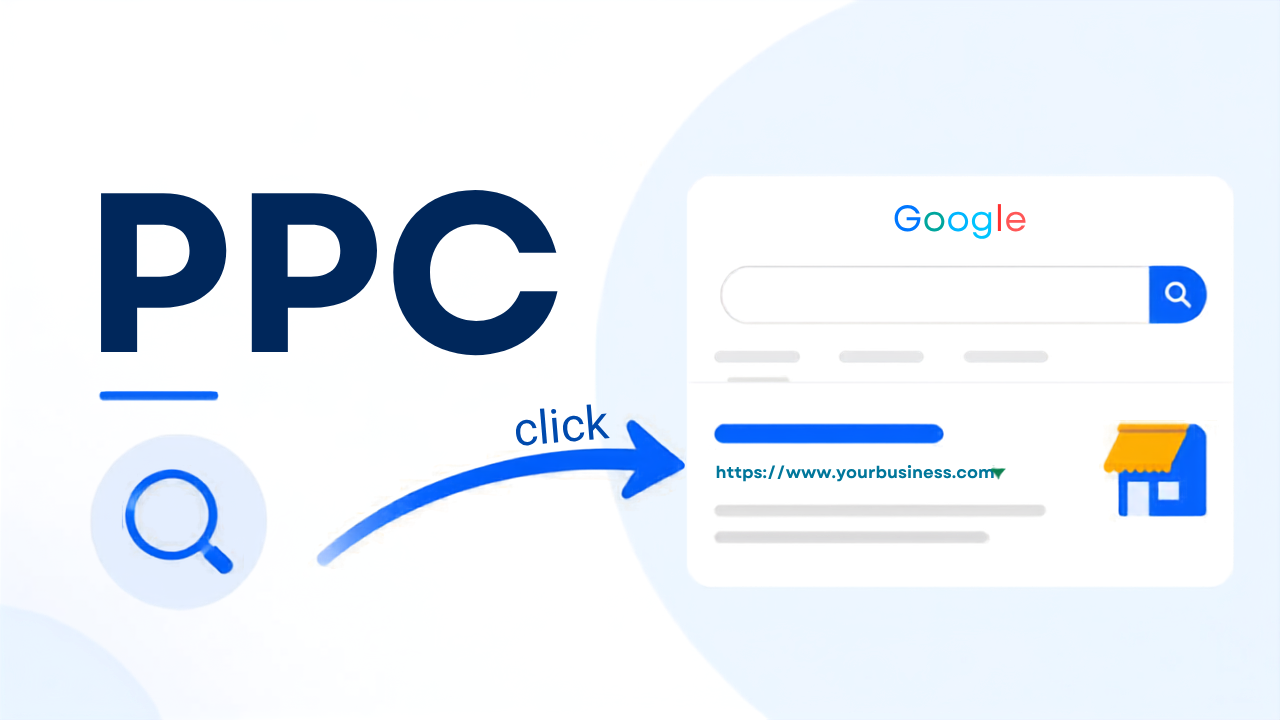
While SEO builds visibility gradually, paid search advertising (like Google Ads) delivers immediate placement at the top of search results for chosen keywords, making it a valuable tool for driving sales quickly — particularly useful for new businesses still building organic authority, seasonal promotions needing immediate visibility, or highly competitive keywords where ranking organically would take considerable time.
What Makes Paid Search Effective for Driving Sales
- Precise targeting based on exact search terms, ensuring ads reach people actively searching for something closely related to the offer.
- Full control over budget, allowing spend to scale up or down based on measured performance.
- Detailed conversion tracking, showing exactly which keywords and ads are actually producing sales, not just clicks.
- The ability to test different messaging and offers quickly, refining based on real data within days rather than months.
Social Media Marketing: Building Relationships That Convert
Organic social media presence and paid social advertising both contribute to sales, though often through a somewhat different mechanism than search — social media tends to build familiarity, trust, and engagement over repeated exposure, priming an audience to be more receptive when they do eventually encounter a direct offer, rather than capturing existing intent the way search does.
Effective Social Media Sales Strategies
- Showcasing genuine product use, customer results, or behind-the-scenes content that builds authentic trust rather than relying purely on polished advertising.
- Running targeted paid social campaigns aimed at specific audience segments, often layered with retargeting toward people who've already engaged with the brand.
- Leveraging user-generated content and customer testimonials, which tend to carry more persuasive weight than brand-created content alone.
- Using shoppable posts and direct in-platform purchasing features where available, reducing the friction between discovery and purchase.
A skincare brand, for example, often sees stronger sales performance from social content featuring real customer transformations and honest reviews than from polished studio photography alone, since prospective customers tend to trust peer-level social proof more readily than brand-produced marketing content, particularly for products where real-world results matter to the purchase decision.
Email Marketing: One of the Highest-Return Channels Available
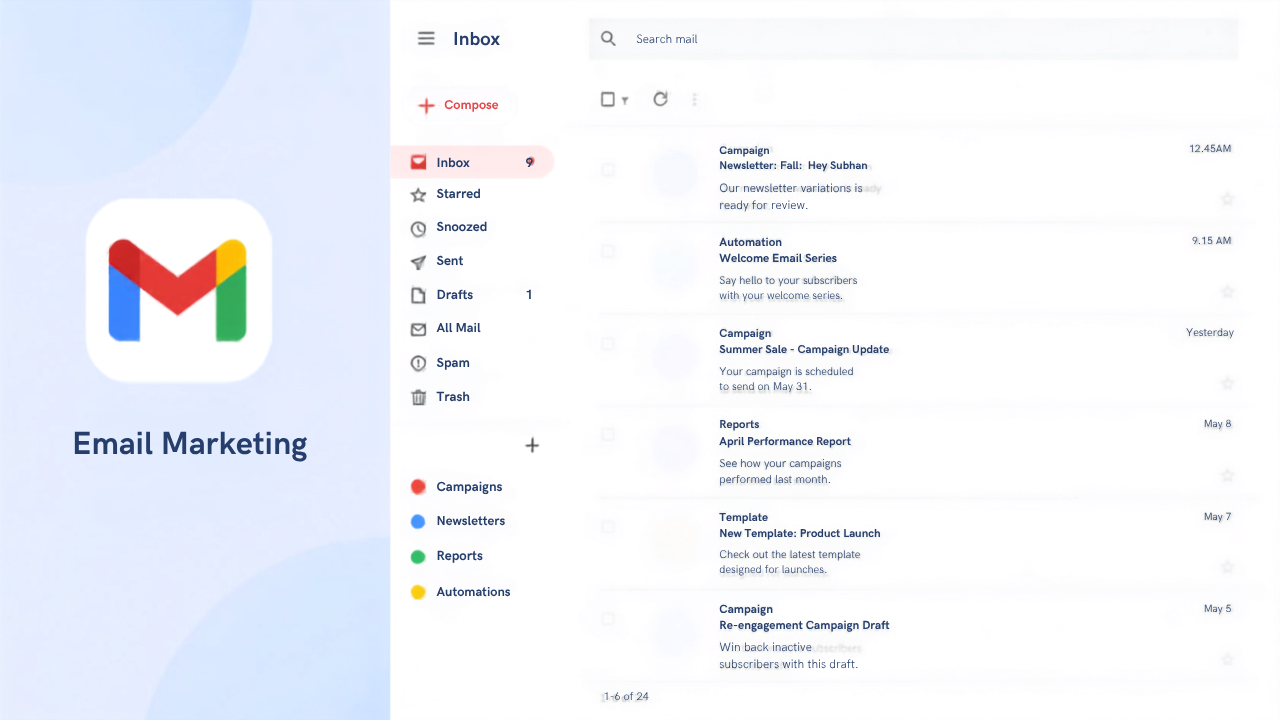
Despite being one of the oldest digital marketing channels, email marketing consistently ranks among the highest-return tactics available, largely because it reaches an audience that has already opted in — people who've already shown some level of interest in the business, rather than a cold, unfamiliar audience.
Sales-Driving Email Strategies
- Abandoned cart sequences, automatically following up with visitors who added items to a cart without completing checkout.
- Personalized product recommendations based on past browsing or purchase behavior.
- Segmented campaigns tailored to specific customer groups (new subscribers, past purchasers, inactive customers) rather than a single generic message sent to the entire list.
- Automated nurture sequences that guide new leads gradually toward a purchase decision, particularly valuable for higher-consideration products or services with longer decision timelines.
Content Marketing: Earning Trust Before the Sale Happens
Content marketing — blog posts, guides, videos, case studies — doesn't typically drive immediate transactional sales the way a well-targeted ad might. Instead, it builds trust and demonstrates expertise over time, positioning a business as a credible, knowledgeable option by the time a prospective customer is actually ready to make a purchase decision, often influencing which business gets chosen among several competitors that all appear equally credible on the surface.
Where Content Marketing Fits Into the Sales Process
- Educational content addressing common questions or concerns prospective customers have before committing to a purchase.
- Case studies and detailed customer success stories that provide concrete, specific evidence of real results.
- Comparison content helping prospective customers evaluate options, ideally positioning the business favorably within a genuinely fair, balanced comparison.
- Video content, which tends to build trust and demonstrate product or service quality more vividly than text alone, particularly for higher-consideration purchases.
Remarketing: Recovering Interest That Would Otherwise Be Lost
Since the overwhelming majority of website visitors leave without converting on their first visit, remarketing — showing targeted ads specifically to people who already visited a site, viewed a product, or started a purchase — recaptures a meaningful share of that initial interest rather than letting it disappear entirely. This is consistently one of the more cost-efficient digital marketing tactics available, since it targets an audience that has already demonstrated genuine interest rather than starting from a cold, unfamiliar audience.
Influencer and Affiliate Marketing: Borrowing Established Trust
Partnering with influencers or affiliates allows a business to reach an audience through a trusted third-party voice, rather than relying solely on its own brand credibility. This tends to work particularly well for consumer products where peer recommendation carries significant weight, and affiliate structures — paying only when an actual sale results — make this channel particularly attractive from a return-on-investment standpoint, since cost is directly tied to actual performance rather than upfront spend regardless of outcome.
Wrap-Up
It's worth being clear that these methods aren't meant to be selected individually as if choosing one excludes the others — the businesses that see the strongest, most sustained sales growth typically use several of these methods together, each covering a different part of the customer journey. Search and content marketing capture and nurture demand earlier in the process. Paid search and social advertising drive immediate visibility and traffic. Remarketing and email recapture interest that would otherwise be lost. No single method fully substitutes for the others, since each addresses a genuinely different point in how a customer actually moves toward a purchase decision.