


How to Choose a Website Company in Thailand

A buyer looking for a website company in Thailand is not looking for a league table. The question is whether the firm can hand you a site you still control after the invoice: work tried before it went live, accounts in your name, a page that holds up on a phone, and old URLs that still reach the right place.
This is a buyer guide, not a service page. It does not quote a fee or a position. The page for the web design work is our web design packages page. Use the checklist here first. Open that page only if these checks are the ones you need.
Short answer: Ask where the work is staged, whose name is on the host and the domain, how Core Web Vitals will be read on the URL that launches, how existing URLs will move, and what the contract says when you leave. Digital Agency Bangkok can take that work when those checks are the job: in-house development, staging before production, accounts you keep, and a migration map written before the switch. That is a process, not a ranking.
What you are choosing, and what you are not
A website company is selling a site you can edit, host, and leave with. A mockup, a theme licence they hold, or a dashboard you cannot export is not that product. If the brief is only “make it look modern,” and nobody has written who owns the host, you are buying a picture.
You are not choosing a winner. A careful freelancer can pass these checks. A large firm can fail them. A client list does not replace a staging URL, a registrar login, or a redirect map. A ranking of website companies is a different product. This guide will not add one.
Who should hold the work is a separate decision. The sibling note is agency versus freelancer versus doing it yourself. If the job is a web application rather than a marketing site, read how to choose between web design and web app development first.
Staging: where the work is tried
Staging is a copy that is not the public URL. The company builds and updates there. You review there. Production is the last place a change is tried.
Ask for the staging URL, who can log in, and how a change is copied to production. Ask whose backup is restored if the copy is wrong. Updating live because it is faster uses customers as the test. That can be fine for a sentence of copy. It is not fine for a theme, PHP, a form, or a checkout.
On a rebuild, staging should hold the content you will launch. Walk the forms, the language switch, and the enquiry pages on a phone. If Thai and English are both in the brief, both should be on staging before you approve production. A screenshot is not this check. Digital Agency Bangkok stages the sites it builds and maintains. If we cannot show that URL on a job, the job should not be sold as a careful build.
Ownership of hosting, domain, and files
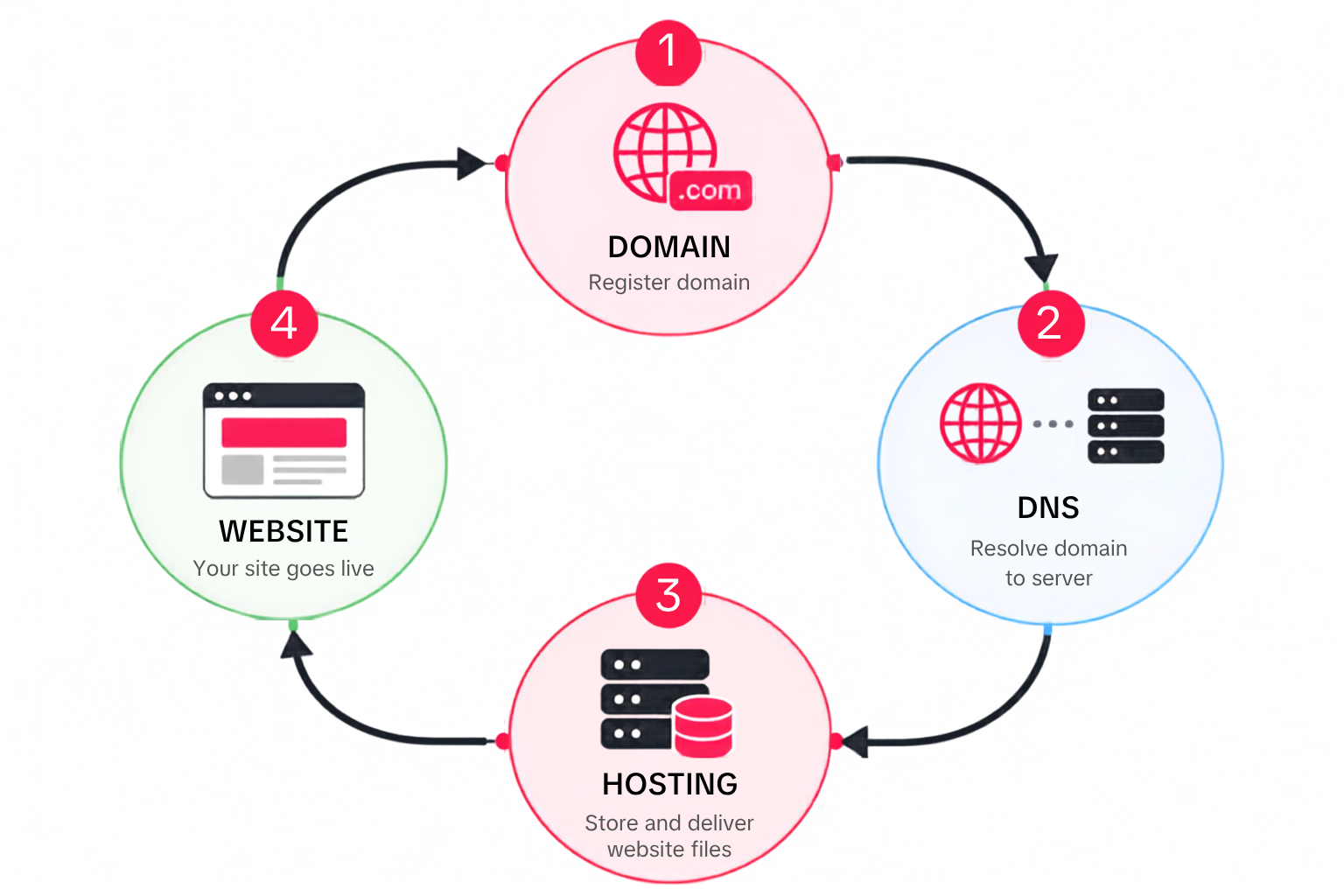
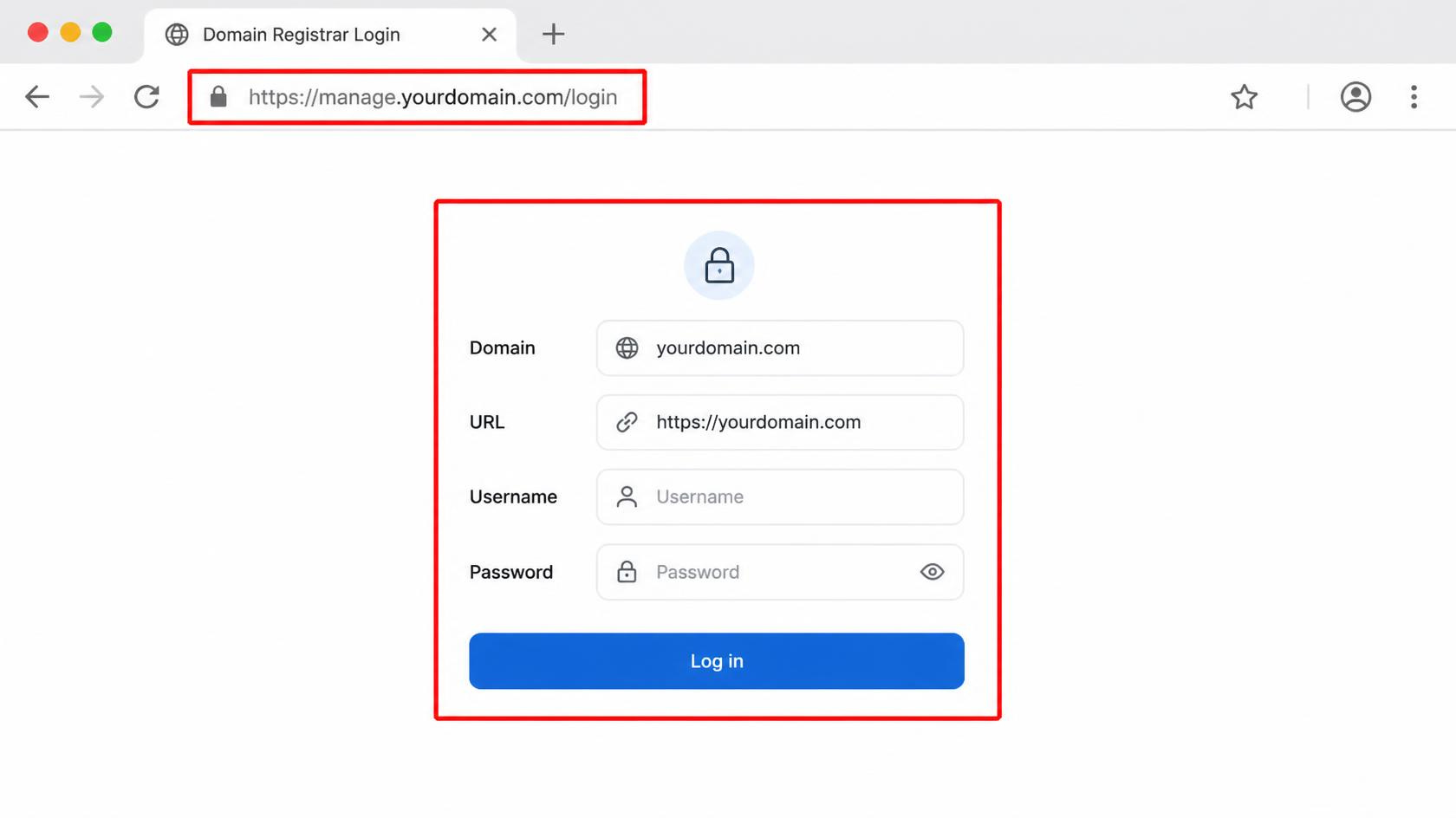
The business should own the domain, the DNS, the hosting account, and an administrator login that is not the only copy. The registrar and the host should write to an address you control, so you can reset access if the company stops. A login emailed once, on a panel billed to their card, is a rental.
Ask who is the registrant, who pays the host after handover, who holds the certificate, where the database can be exported, and whether the theme or custom code is licensed to you. A page builder licensed only to the company, which stops when the contract ends, means the site is not yours.
Hosting the company resells is acceptable if the account, or the files and database, can move, and you are told before you sign. A panel you cannot open is a problem, because you cannot check backups. This article will not invent a price. Keep a WordPress administrator in someone you employ, as well as at the website company.
Core Web Vitals on the URL you will launch
Core Web Vitals are readings of how the page loads and responds: largest contentful paint, interaction to next paint, and layout shift. You need a reading on the template you will ship, on a phone, on the URL that will be public.
Ask which tool they will use, and whether they will read Search Console after launch or only a lab score on staging. A lab score is a starting point. It is not what a visitor on a phone network gets. Do not accept a number without the URL it came from, or a score from a different site as proof.
The hero should not be a video that plays before the heading. Fonts should not shove the text after the first paint. A button should not wait on a script the first click does not need. This article will not invent a millisecond target. If a template we choose is slow, the job is to change the template or the assets.
SEO migration: the URLs people already use
A new design that changes every slug without a map throws away addresses Search Console, ads, and bookmarks already use. Migration is a list: old URL, new URL, and the redirect that joins them. One-to-one is the default. Sending everything to the homepage is not a migration.
Before the switch, export URLs that receive impressions, ones you have printed, and ones used in ads and email. After the switch, Search Console should still be yours. Someone should request indexing on URLs that changed and watch coverage. Canonicals should point at the URL you mean to keep. If Thai and English are paired, each language keeps its own URL.
Ask who writes the map, who tests a sample of redirects before DNS moves, and who watches the first days for 404s. Treating SEO as a later contract says the rebuild can break the old site and the repair is optional. The check is whether the map exists before you approve launch. The design work is described on web design packages. This guide should not compete with that URL, and it does not quote a figure from it.
What the contract should name
The contract should name the deliverable in plain sentences: which pages, which languages, whether copy is supplied or written, whether staging is included, and what done means. Done is a public URL, logins in your name, a backup you can download, the redirect map applied, and a note of what was out of scope.
It should name leaving. Who keeps the code, the theme files, and the content. How access is removed. What happens to a licence that cannot transfer. How handover works if you move host. A contract silent on exit assumes you never will. Ask for that paragraph before you argue about the footer.
A new page is not the same as fixing a form that was in the brief. A warranty for defects is not a retainer for new features. If maintenance is offered, say what is checked, where updates are tried, and who answers when the site is down. Refuse a guaranteed search position, or a fixed lead count, as the reason to hire.
How to use the five checks in one meeting
Do not start with the visual. Ask for staging, then ownership, then how vitals will be read, then the URL map if this replaces a site, then the exit clause. Write the answers on the proposal.
- Is there a staging URL you can open, and a way back if production is wrong?
- Whose email is on the domain, the host, and the WordPress administrator list after launch?
- Who reads Core Web Vitals on the launched URL, and what changes if the template fails?
- If any old URL will move, is the map written before launch, and is Search Console still yours?
- What do you keep if you stop, including code and licences?
If three of the five are vague, do not sign because the mockup is attractive. Digital Agency Bangkok will walk these checks on a web design engagement we take. The page for that work is web design packages. We do not rank firms or quote a fee here. If the open question is still who should hold the work, use agency, freelancer, or doing it yourself. If the site is an application, use web design versus web app development, then apply the same five checks.
What this article will not do
- Name other website companies, or place them in an order.
- Invent a price, a load-time figure, or a share of sites that fail a check.
- Replace the web design packages page with a blog aimed at the same commercial query.
- Say a custom build is always safer than a theme, or the reverse. Either fails if you do not own it and cannot stage a change.
- Treat a guaranteed ranking, or a guaranteed lead count, as proof the company should build the site.