

9 Popular Free Image Sources and What They’re Best For

9 Popular Free Image Sources and What They’re Best For
Every website, blog post, and social media graphic needs visuals, and not every business has the budget — or the need — for a paid stock photography subscription. The good news is that the gap between "free" and "professional-looking" has narrowed dramatically over the past several years. Today's best free image sources genuinely compete with paid stock libraries on quality, while differing meaningfully from each other in library size, licensing terms, and the specific type of content each one does best.
Choosing the right source isn't just about finding whichever site loads first in a search — different platforms genuinely excel in different areas, and using the wrong one for a given need often means settling for a weaker image than a better-suited source would have offered.
Why the Source You Choose Actually Matters
Licensing Terms Aren't All the Same
Even among "free" image sources, licensing terms vary in ways that genuinely matter for commercial use — some require attribution, some don't, and a handful of platforms only offer their most permissive licensing on paid tiers, with free access limited to personal, non-commercial projects. Understanding a platform's actual license before using an image commercially is a genuinely important step, not a formality to skip.
Different Platforms Specialize in Different Content
A platform built around a massive, general-purpose photo library isn't necessarily the best source for a specific niche need — food photography, illustrations, or authentic, non-staged lifestyle imagery, for instance, are often better served by smaller, specialized platforms than by a broad general library, even one with millions of total images.
The Leading General-Purpose Photo Libraries
Unsplash
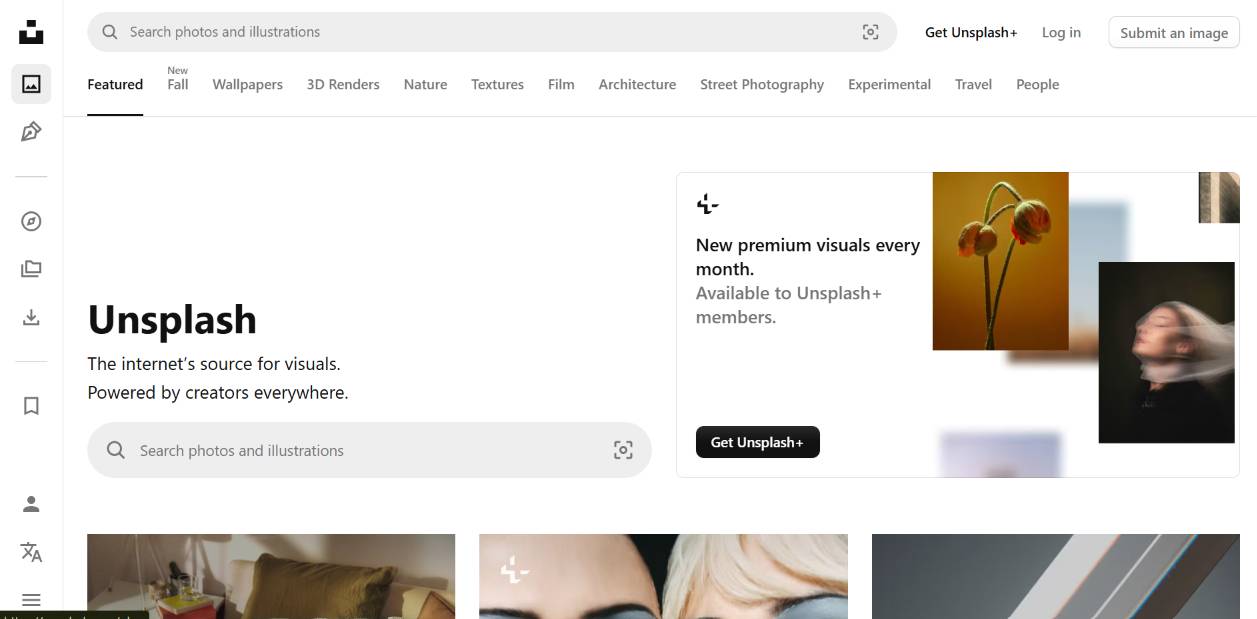
Unsplash is widely regarded as the leading destination for free, high-resolution stock photography, hosting millions of images contributed by a large community of photographers and curated for consistent quality.
- Key highlight: exceptionally high average photo quality, with a genuinely artistic, editorial feel that avoids the overly staged, generic look common in older stock photography.
- Useful to know:
- Images are free for both personal and commercial use, with attribution encouraged but not required.
- Offers a developer API, making it a popular choice for populating apps and websites with dynamic imagery.
- Particularly strong for lifestyle, nature, architecture, and minimalist aesthetic photography.
Pexels
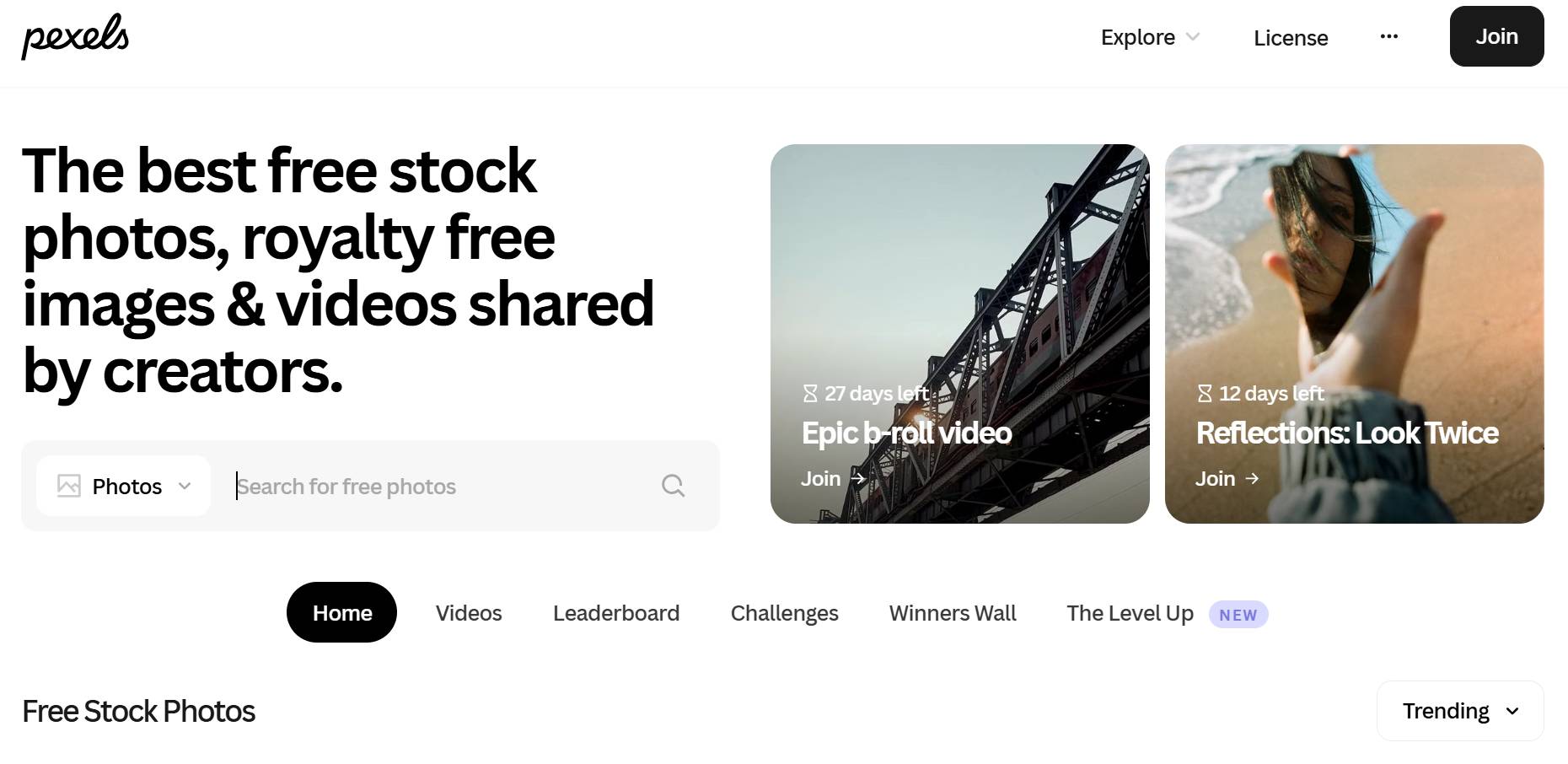
Pexels has grown into one of the most widely used free stock platforms, distinguished by offering both photos and videos together under a single, consistent license.
- Key highlight: a genuinely enormous library covering nearly any subject, combined with the convenience of sourcing both stills and video from one platform.
- Useful to know:
- Offers direct integration with tools like Canva, Adobe Photoshop, Adobe XD, Figma, and Sketch, allowing images to be accessed and edited without leaving those platforms.
- Search and filtering by color palette is particularly useful for projects built around a specific brand color scheme.
- No attribution required, though it's appreciated.
Pixabay
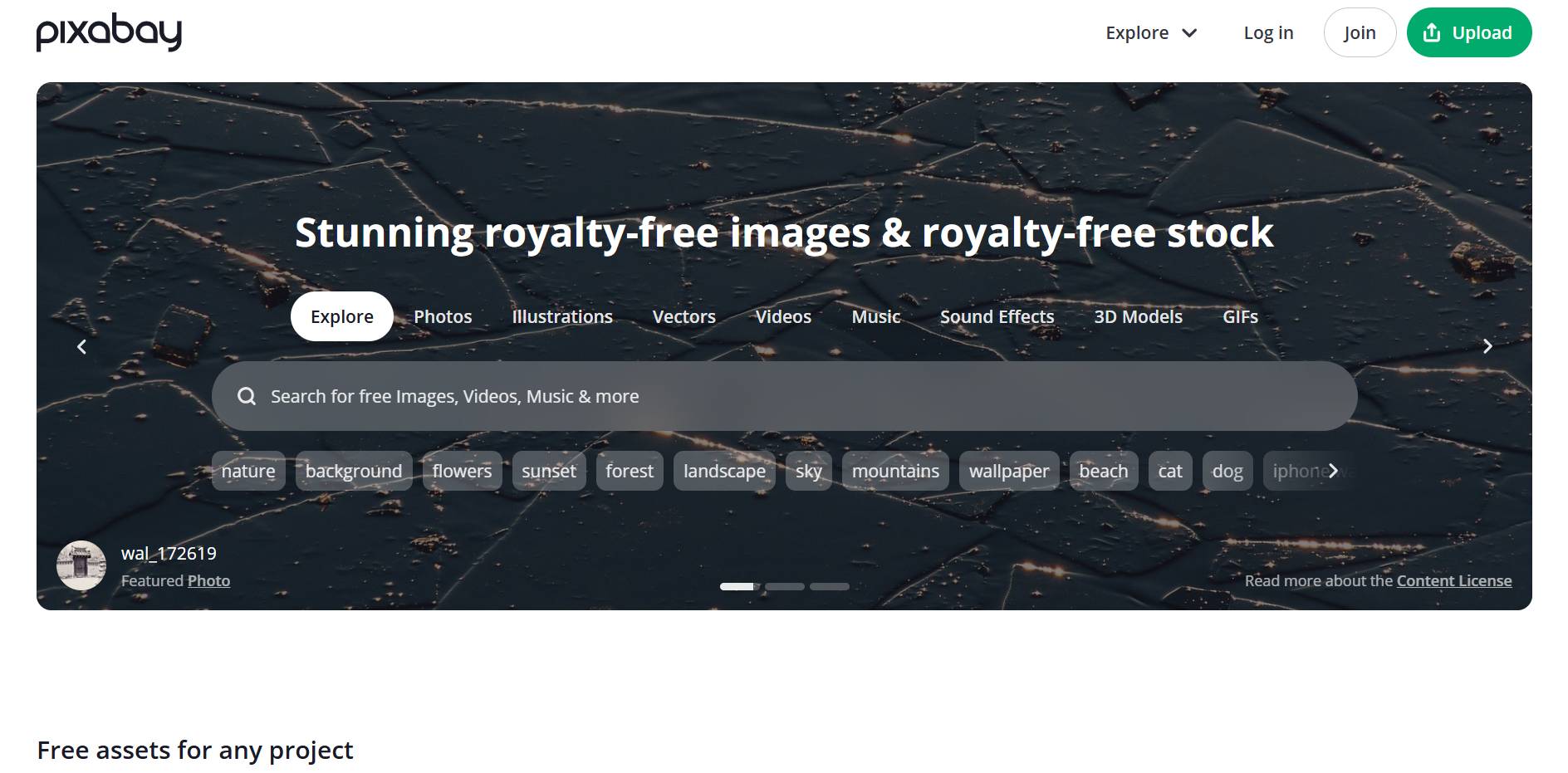
Pixabay is one of the fastest-growing stock platforms, notable for extending beyond photography into vectors, illustrations, and video within the same library.
- Key highlight: genuine content diversity — beyond straightforward photography, Pixabay is a strong source for vector graphics and illustrations that many photo-only libraries don't offer.
- Useful to know:
- Content is released under a Creative Commons-style license allowing free commercial use without mandatory attribution.
- A useful single-stop option for projects needing a mix of photography and simple graphic elements without switching between multiple specialized sites.
Wikimedia Commons
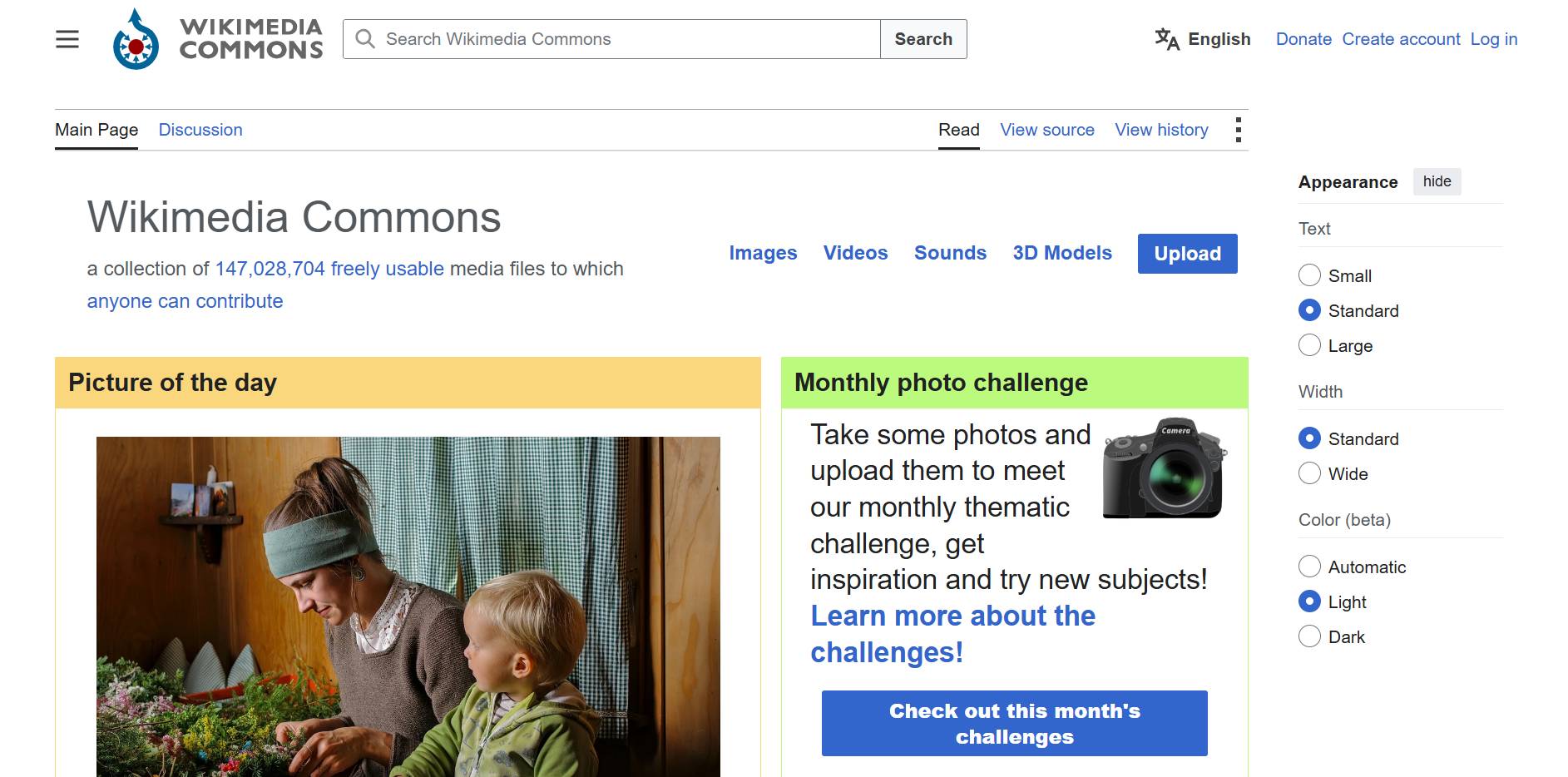
Wikimedia Commons is the collaborative media repository maintained by the Wikimedia Foundation, holding tens of millions of files spanning photography, illustrations, maps, and more.
- Key highlight: an extraordinary volume and diversity of content, including historical, scientific, and geographic imagery that's difficult to find on conventional stock platforms.
- Useful to know:
- Licensing varies file by file, meaning each image needs to be individually checked rather than assuming a single blanket license applies across the entire library.
- Particularly valuable for educational, historical, or reference-based content where authenticity matters more than polished, staged photography.
Burst by Shopify
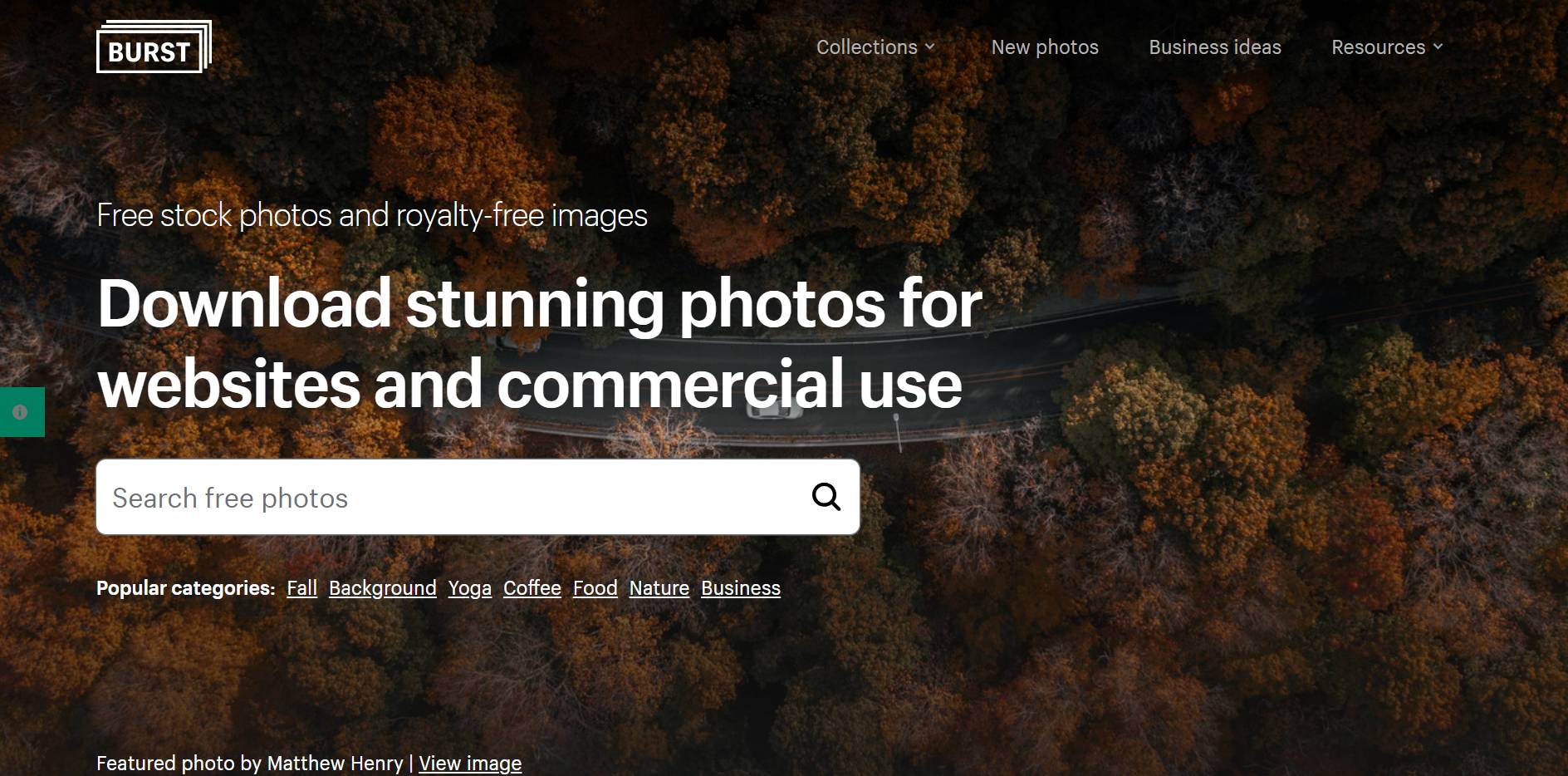
Burst is a free stock photo platform built and maintained by Shopify, specifically oriented around commerce and business-related imagery.
- Key highlight: a genuinely strong, business- and retail-focused library — product photography, ecommerce settings, and workplace imagery that general libraries sometimes cover less thoroughly.
- Useful to know:
- Particularly well suited for retail, ecommerce, and small business marketing content specifically, given its origin and curation focus.
Gratisography
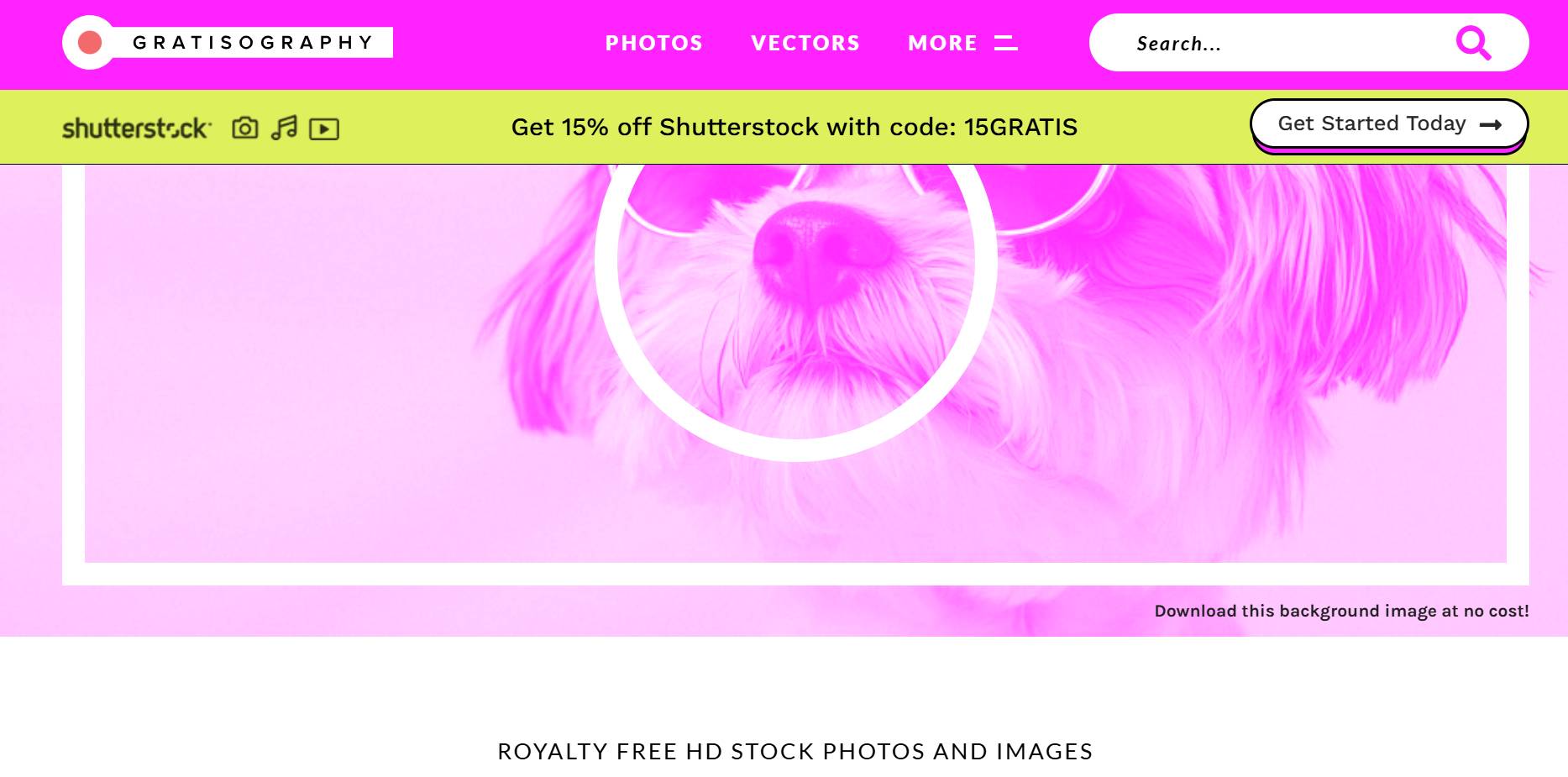
Gratisography offers free, high-resolution photography with a distinctly quirky, creative, and often unconventional visual style compared to more conventional stock libraries.
- Key highlight: genuinely unique, artistic imagery — a strong option when a project specifically wants to stand out visually rather than blend in with more conventional stock photography.
- Useful to know:
- Free for both personal and commercial projects, with new images added on a regular basis.
FoodiesFeed
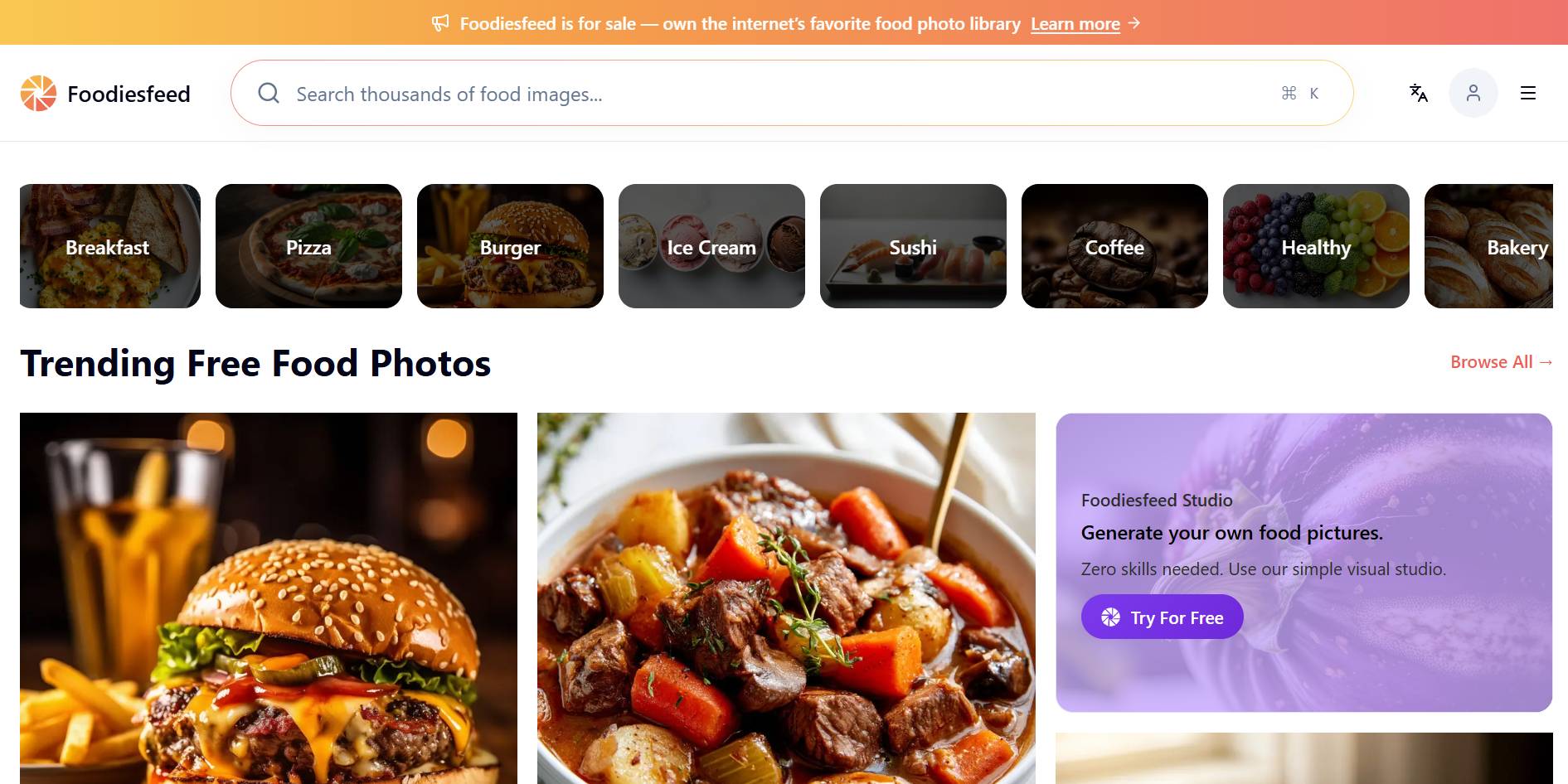
FoodiesFeed is a specialized library focused entirely on food photography, offering thousands of high-resolution, realistic food images.
- Key highlight: genuinely high-quality, realistic food photography specifically, which general stock libraries often cover less thoroughly or less authentically.
- Useful to know:
- Particularly valuable for food bloggers, restaurants, and hospitality businesses needing appealing food imagery without commissioning original photography.
A restaurant building out a new website, for instance, often gets noticeably better results pulling food-specific imagery from a platform like FoodiesFeed rather than searching a general library for "food," since specialized food photography tends to capture the kind of appetizing detail and authentic styling that a general-purpose stock search often surfaces less consistently.
Vecteezy
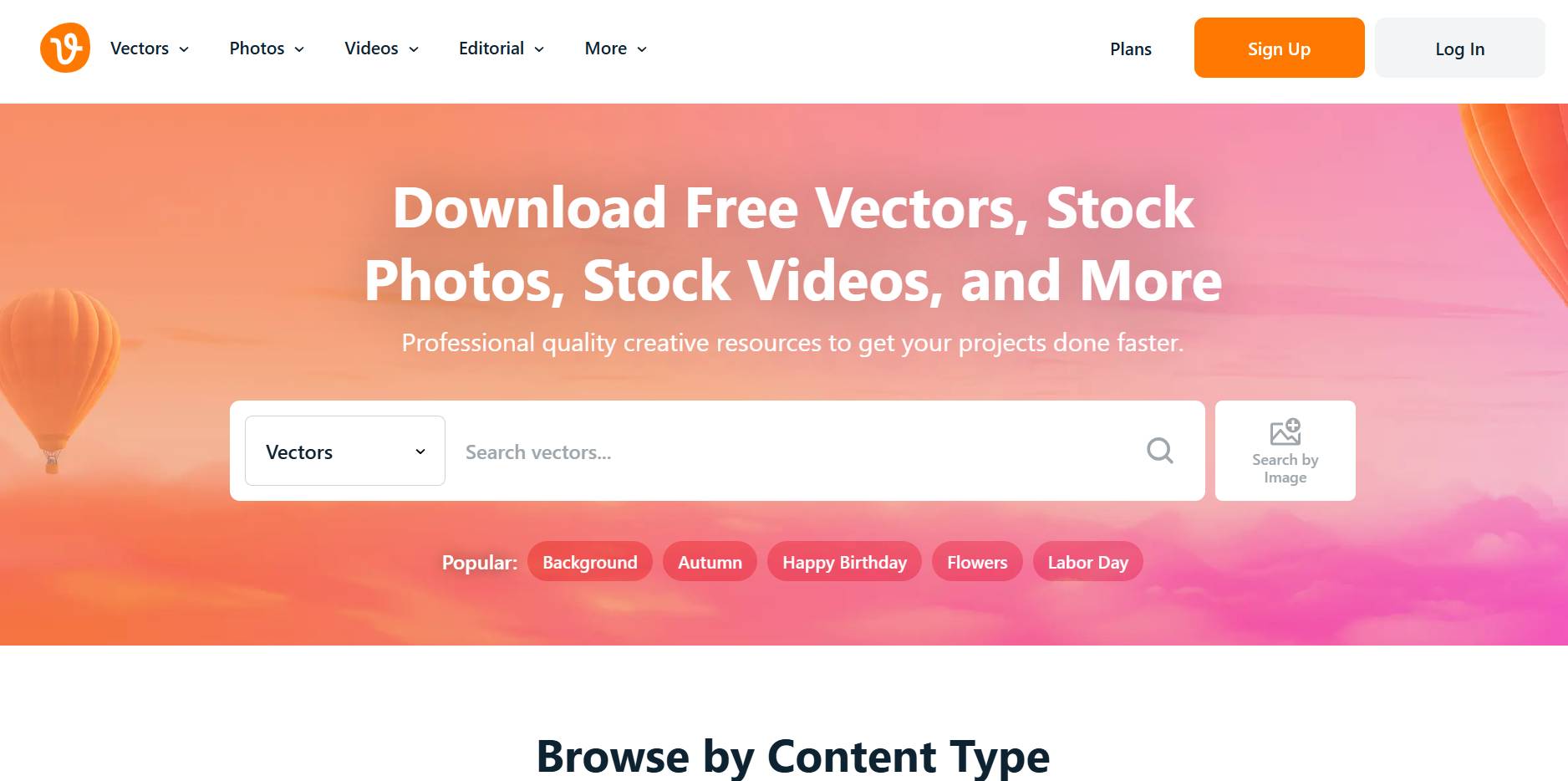
Vecteezy offers an extensive library spanning multiple asset types — photos, vectors, and illustrations — along with notably detailed search filtering.
- Key highlight: particularly strong, granular search filtering, including filtering by whether people are present in an image, how many, and even the specific type of shot (headshot, waist-up, full-length).
- Useful to know:
- Free tier is generally limited to personal use, with commercial use requiring a paid plan — an important distinction to check carefully before using Vecteezy content in a business context.
Magnific (Freepik)
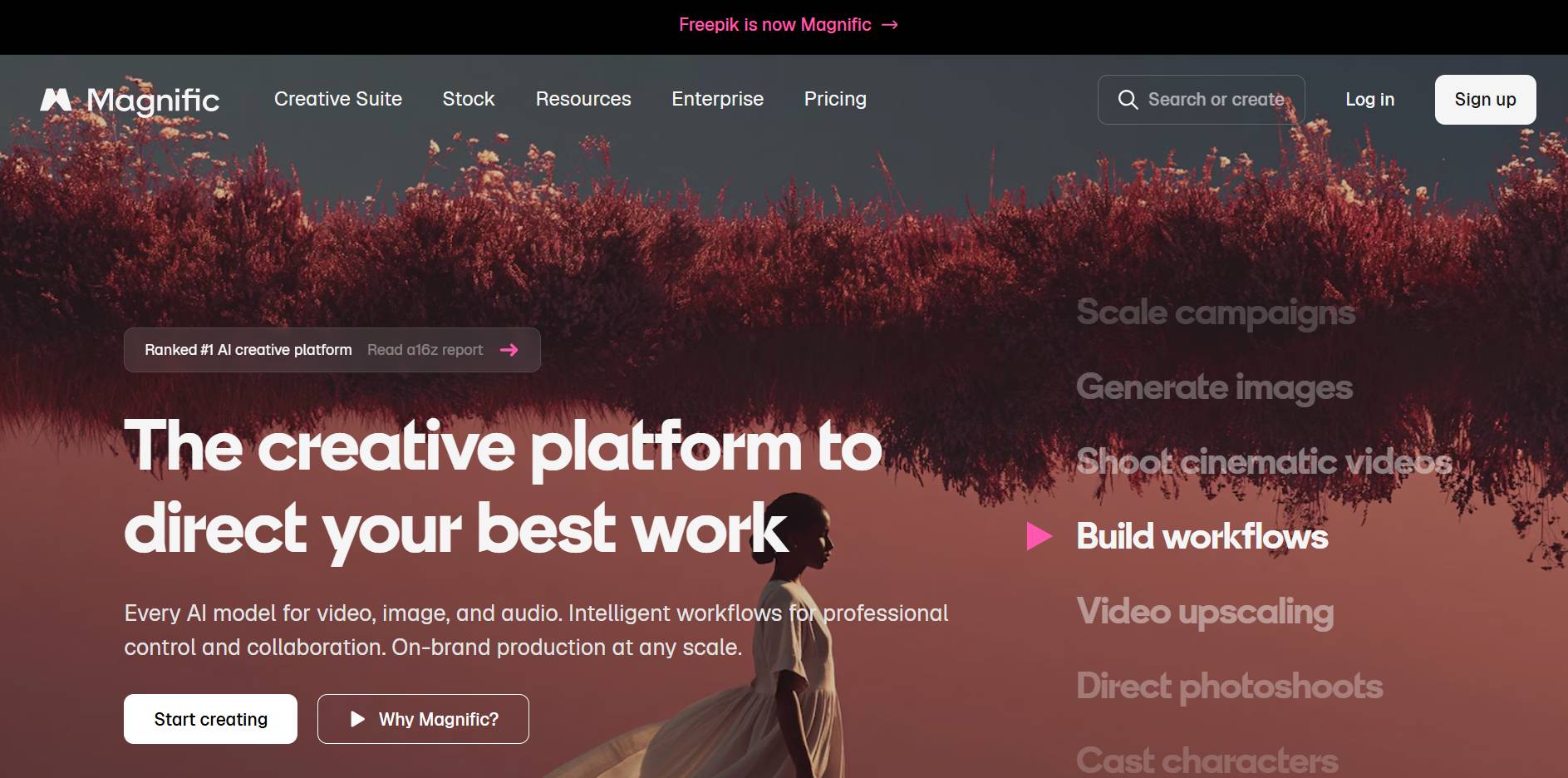
Magnific offers an especially broad range of asset types — photos, vectors, illustrations, AI-generated images, icons, and fonts — within a single platform, along with extensive filtering options.
- Key highlight: the sheer breadth of asset types available in one place, making it a genuinely useful single destination for projects needing a mix of photography, graphics, and design elements together.
- Useful to know:
- Similar to Vecteezy, free access is often limited primarily to personal use, with commercial use frequently requiring a paid subscription — worth confirming for the specific asset and intended use before relying on it for business content.
Always Confirm the License Before Commercial Use
Since licensing terms genuinely differ across these platforms — and sometimes even across individual files within the same platform, as with Wikimedia Commons — confirming the specific license attached to an image before using it in commercial marketing material is a necessary step, not an optional formality, particularly for platforms like Vecteezy and Magnific where free access can be more limited than it initially appears.